
Paladin logo
logo
DeepFake Detection
Solutions
Resources
Company
Video Deepfake Detection

Video Deepfake Detection

Video Deepfake Detection technology allows enterprises to identify manipulated video content accurately and in real time. With AI-generated videos becoming increasingly realistic, organizations need reliable tools to distinguish authentic footage from deepfakes. This is essential not only for brand protection but also for legal compliance, media integrity, and security.
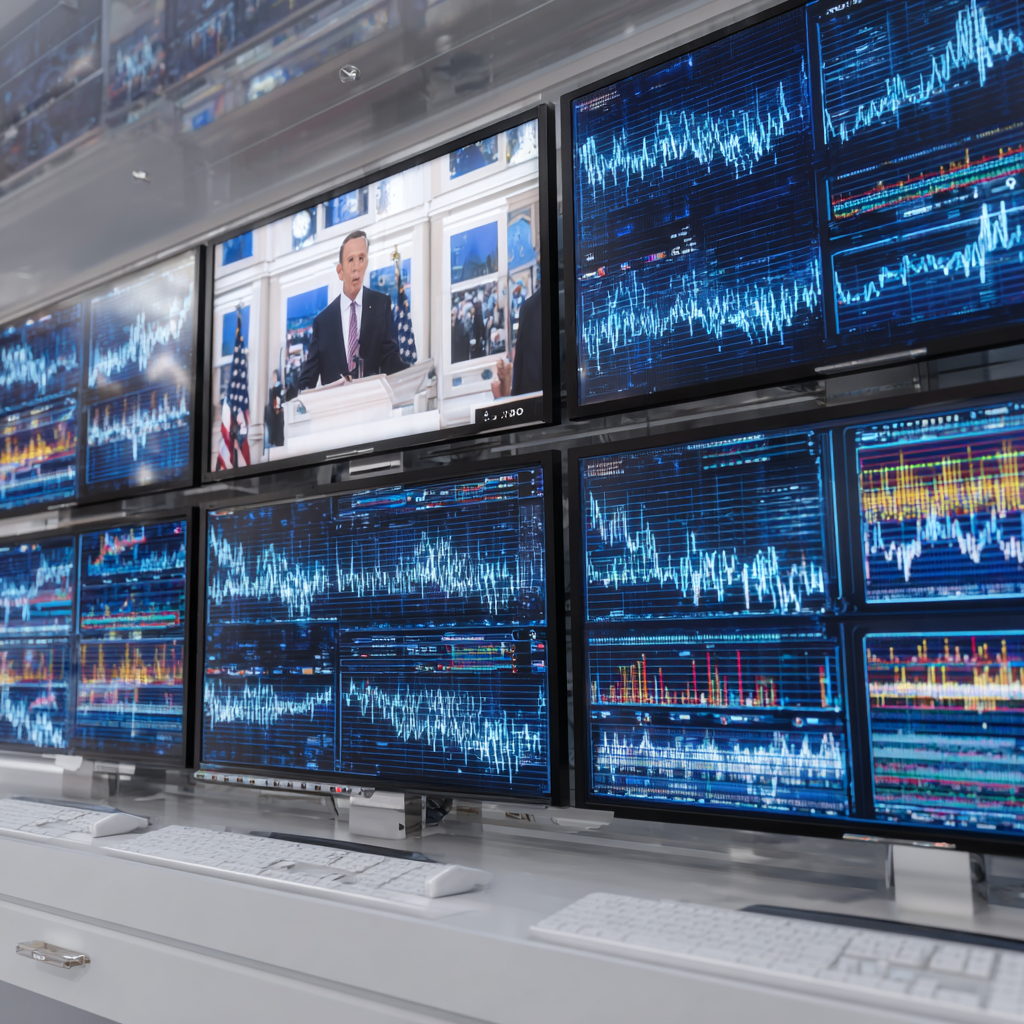
Understanding Video Deepfake Detection

Video Deepfake Detection

Understanding Video Deepfake Detection

Video Deepfake Detection is the process of analyzing video content to determine whether it has been altered using artificial intelligence. Deepfakes use sophisticated algorithms, such as Generative Adversarial Networks (GANs), to swap faces, modify expressions, or fabricate movements in videos. Detecting these alterations requires advanced tools that can examine visual cues, motion patterns, and facial details frame by frame.

A comprehensive detection system may also analyze accompanying audio to detect inconsistencies between lip movement and speech. By combining visual and audio analysis, enterprises can achieve higher accuracy in identifying deepfake content.

Background

Deepfake Detection for Videos

Deepfake detection for videos is increasingly important as the risk of misinformation and fraud grows. AI-generated videos can manipulate public perception, impersonate executives, or misrepresent events. Organizations face challenges such as: - Misinformation campaigns that influence public opinion - Fraudulent video calls targeting financial or corporate transactions - Compromised media content spreading false narratives.

How Video Deepfake Detection Works

Video deepfake detection relies on AI algorithms and forensic analysis to identify tampering. Techniques include:

Frame Analysis

Examining inconsistencies between consecutive frames.

Facial Landmark Tracking

Monitoring subtle changes in facial features.

Motion Pattern Recognition:

Detecting unnatural movements or gestures.

GAN Signature Identification:

Recognizing artifacts specific to AI-generated content.

Lip-Sync Verification:

Comparing audio with lip movement for inconsistencies.

These methods collectively help enterprises flag suspicious videos before they are shared or broadcast.

Key Features of Video Deepfake Detection

Enterprise-grade video deepfake detection tools offer:

Key Features

  • • Real-Time Alerts: Immediate notification of suspicious content
  • • API Integration: Seamless connection with existing IT systems
  • • Multi-Model Analysis: Combining several AI models for higher accuracy
  • • Automated Authenticity Scores: Easy evaluation of video credibility
  • • Scalability: Handling large volumes of video content without performance issues

Choosing the Right Solution

When selecting a video deepfake detection tool, enterprises should consider

  • • Detection Accuracy: High precision with minimal false positives
  • • Real-Time Capabilities: Essential for live video verification
  • • Compatibility: Easy integration with existing enterprise systems
  • • Scalability: Ability to handle increasing video volumes
  • • Continuous Updates: AI models should adapt to new deepfake techniques

Strategic Insight

  • • While these features are often highlighted in lists, they function as natural components of a robust detection system, ensuring practical benefits rather than just technical claims.
  • • Choosing the right system ensures that video content remains trustworthy, protecting organizations from potential threats.

Video Deepfake Detection

Applications and
Use Cases

Video Deepfake Detection is critical across multiple sectors:

Law Enforcement

Verifying video evidence and detecting forged footage.

Media and Journalism

Confirming the authenticity of news reports before publication.

Corporate Security

Preventing CEO impersonation and internal fraud.

Financial Sector

Protecting video-based verification and transaction approvals.

Social Media Platforms

Identifying and removing deepfake videos that can spread rapidly.

In each of these use cases, the focus is on maintaining authenticity and preventing harm caused by manipulated videos.

Key Benefits

Why Enterprises Need Video Deepfake Detection

Enterprises are particularly vulnerable to deepfake attacks due to the trust placed in video content. Video Deepfake Detection provides multiple benefits:

Protection & Prevention

Brand Protection: Prevent fake videos from harming corporate reputation. Fraud Prevention: Detect altered videos used in financial scams or corporate communications.

Learn more →

Compliance & Verification

Legal and Regulatory Compliance: Maintain the integrity of video evidence for audits or investigations. Media Verification: Ensure news footage and public announcements are authentic.

Learn more →

Security & Benefits

Security Enhancement: Safeguard video-based communication from impersonation threats.

Learn more →

By adopting video deepfake detection, organizations can proactively defend against risks while maintaining operational efficiency.

Benefits Beyond Detection

Implementing video deepfake detection offers broader advantages:

  • Enhanced Trust: Stakeholders can rely on verified video content
  • Proactive Security: Early identification of potential threats
  • Operational Efficiency: Reduces manual review and saves time
  • Scalability: Adapts to growing content volumes
  • Future-Proofing: AI models continuously evolve to detect emerging deepfake techniques

By integrating these solutions, enterprises not only protect their assets but also strengthen their digital credibility.