
AI in Law Enforcement: Top Countries Leading the Shift to Smart Policing
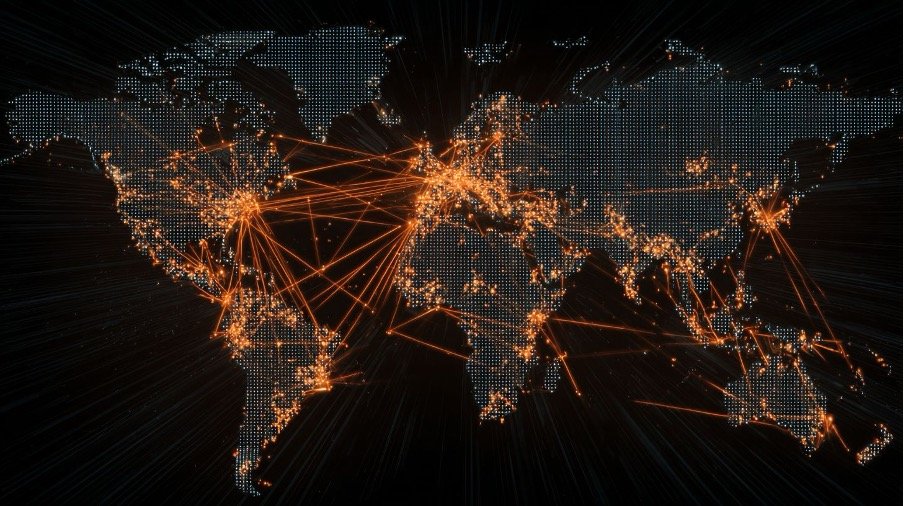
Top Countries Leading in AI for Law Enforcement: Artificial intelligence is reshaping law enforcement in the US, UK, China, UAE, India, and Singapore-from crime prediction to smart surveillance. Agencies shift from reactive patrols to proactive strategies using machine learning and robotics. UNICRI and INTERPOL reports show these trends. United Nations reports direct ethical use. See how leading countries use these tools to reduce crime and increase efficiency.
Top Countries Leading in AI for Law Enforcement
Artificial intelligence rapidly transforms law enforcement in leading countries like the United States, United Kingdom, China, UAE, India, and Singapore through predictive policing, smart surveillance, and digital forensics. Police agencies worldwide adopt these tools to spot crime hotspots, analyze video feeds, and process digital evidence faster. This shift helps with crime prevention while raising questions about privacy and bias.
Global trends show growing use of machine learning for real-time monitoring and risk assessment. Countries invest in facial recognition and natural language processing to tackle organized crime and cyber threats. Experts note the need for ethical AI to build public trust.
Now, let's look at how specific nations stand out in this space. Each brings unique approaches to AI innovation in policing, from vast surveillance networks to advanced forensics.
United States: Predictive Policing Pioneer
LAPD, NYPD, and Chicago Police Department lead predictive policing using machine learning algorithms to identify crime hotspots and forecast criminal activity patterns. These tools pull from historical data to guide patrols where trouble might brew. Law enforcement agencies focus on patterns in theft, violence, and drug crimes.
The LAPD's PredPol system maps out high-risk zones based on past incidents. NYPD's Real Time Crime Center fuses live feeds with analytics for quick responses. Chicago's Strategic Subject List flags individuals at risk of involvement in shootings.
U.S. Department of Justice provides oversight to address bias in these systems. Agencies stress that data quality drives prediction accuracy, so they clean datasets and test for fairness. The key lesson here is regular audits keep predictions reliable and accountable.
These efforts aid crime forecasting but require transparency to maintain public trust. Police train officers on interpreting AI outputs alongside human judgment.
China: Smart Surveillance Dominance
China deploys world's largest facial recognition network with over 600 million cameras using computer vision for real-time monitoring across urban centers. Programs like Skynet and Sharp Eyes cover cities and spot suspects in crowds right away. This setup integrates with social credit systems for broader tracking.
Tech from Huawei's AI chips and SenseTime algorithms powers the system, achieving high accuracy in identification. It helps police respond to thefts, protests, and traffic violations fast. The scale covers a population of 1.4 billion, making it a model for mass surveillance.
Public safety gains include faster arrests and deterrence of street crime. Yet privacy concerns loom large, as constant monitoring sparks debates on human rights. Authorities balance this by focusing on crime prevention over individual freedoms.
Experts recommend combining such tools with clear rules for accountability. China's approach shows how video analytics It can change policing, but ethical rules matter.
United Kingdom: Digital Forensics Leader
London Metropolitan Police leverages AI-powered digital forensics tools for accelerated evidence analysis and cybercrime investigations. The Forensic Science Regulator sets standards to ensure reliability in court. These tools handle vast data from phones and computers.
Applications include natural language processing for document processing and automated image enhancement. NLP sifts through chats and emails to find leads in human trafficking cases. Cellebrite integration extracts data securely while meeting EU GDPR rules.
Met Police's AI toolkit speeds up work on organized crime and migrant smuggling probes. Teams use it for risk assessment in complex cases. Compliance with privacy laws keeps operations transparent and fair.
The focus on explainability helps officers trust the tech. UK agencies train staff to spot biases in data analysis. This builds a solid foundation for ethical AI in forensics.
How Do These Countries Use AI in Policing?
UAE, Singapore, and India deploy specialized AI applications from facial recognition networks to predictive crime mapping across diverse operational contexts. These nations focus on real-time monitoring and data analysis to increase law enforcement efficiency. They change tools like computer vision and machine learning to fit local needs.
Facial recognition helps with surveillance in crowded areas. Cybercrime tools track digital threats through natural language processing and digital forensics. Crime prediction maps hotspots using historical patterns for proactive policing.
These strategies tie into global efforts by groups like INTERPOL and UNICRI. Countries balance crime prevention with ethical AI concerns such as bias and public trust. Next, we look at specific setups in each place.
Deployment varies by urban density and tech access. UAE and Singapore lead in integrated systems, while India scales across vast regions. This mix shows AI's role in modern policing worldwide.
UAE and Singapore: Facial Recognition and Cybercrime Tools
UAE's Oyoon system and Singapore's MOMIS integrate facial recognition with INTERPOL databases for border security and cybercrime response. Both rolled out in recent years to handle organized crime and human trafficking. They combine video analytics with officer monitoring for quick action.
| Country | System Name | Cameras | Key Features | Cybercrime Integration |
|---|---|---|---|---|
| UAE | Oyoon | 170K | 98% accuracy, dark web monitoring | Real-time threat tracking |
| Singapore | MOMIS | 100K | Real-time analytics, blockchain forensics | Digital forensics toolkit |
UAE launched Oyoon around 2018 with strong returns on investment through faster arrests. Singapore's MOMIS, active since 2020, cuts response times via predictive tools. Both stress accountability to maintain transparency.
These systems aid in migrant smuggling cases with explainability features. Experts recommend regular audits for fairness. They set examples for ethical AI in law enforcement agencies.
India: Emerging AI for Crime Prediction
India's CCTNS platform uses machine learning to predict crime hotspots across 16,000 police stations serving 1.4 billion citizens. It pulls from years of historical data for crime forecasting. This helps in areas like burglaries and cybercrime.
The system links 2.5B crime records for nationwide analysis. Pilots in places like Hyderabad show drops in burglaries through targeted patrols. State-level rollouts fit local challenges.
- Analyzes patterns in crime hotspots for resource allocation.
- Supports predictive policing with demographic data.
- Integrates chatbots for document processing.
Challenges include spotty data quality and rural connectivity gaps. Law enforcement pushes for better training to build public trust. Efforts focus on bias checks for fair outcomes.
India's approach aligns with UNODC guidelines on AI innovation. Next steps include using robotics for risk assessment. This scales AI for diverse policing needs.
Which AI Applications Change Law Enforcement?
Predictive policing models shift agencies from reactive response to proactive crime prevention through data-driven forecasting. Law enforcement teams once waited for crimes to happen. Now, they use machine learning on historical crime data to spot patterns early.
This change comes from a push by groups like UNICRI and INTERPOL. They highlight how artificial intelligence turns raw data into information that helps prevent crime. Agencies analyze past incidents to predict where trouble might arise next.
Tools like these build on crime forecasting basics without jumping into specifics yet. They set the stage for models that blend data analysis with real-world policing needs. Expect gains in efficiency and public safety as teams adopt these approaches.
Ethical AI matters here too. Teams must watch for bias in predictions to keep public trust strong. This proactive shift promises better outcomes across law enforcement agencies worldwide.
Predictive Policing Models
PredPol, HunchLab, and Chicago's SSL models analyze demographic data and crime patterns to generate daily hotspot probability maps. These tools help officers focus patrols on high-risk areas. They draw from years of incident reports for better accuracy.
Experts recommend key best practices for solid results. Start with clean historical data covering at least three to five years. This foundation ensures reliable machine learning training without gaps.
- Clean historical data from at least three to five years to build a strong base.
- Train ensemble ML models like Random Forest combined with LSTM for accurate forecasts.
- Validate geographic accuracy on a weekly basis to catch drifts early.
- Update models with real-time incident data for current relevance.
- Audit for bias every quarter to promote fairness and transparency.
Trials in places like LAPD showed crime drops of 15-25% in targeted zones. Follow these steps to set up similar systems on your own machine. Pair them with human oversight for balanced crime prediction.
Use surveillance feeds and video analytics to improve maps more. This keeps predictions tied to reality. Agencies gain accountability by documenting changes and outcomes regularly.
Which Technologies Enable Reactive to Proactive Shifts?
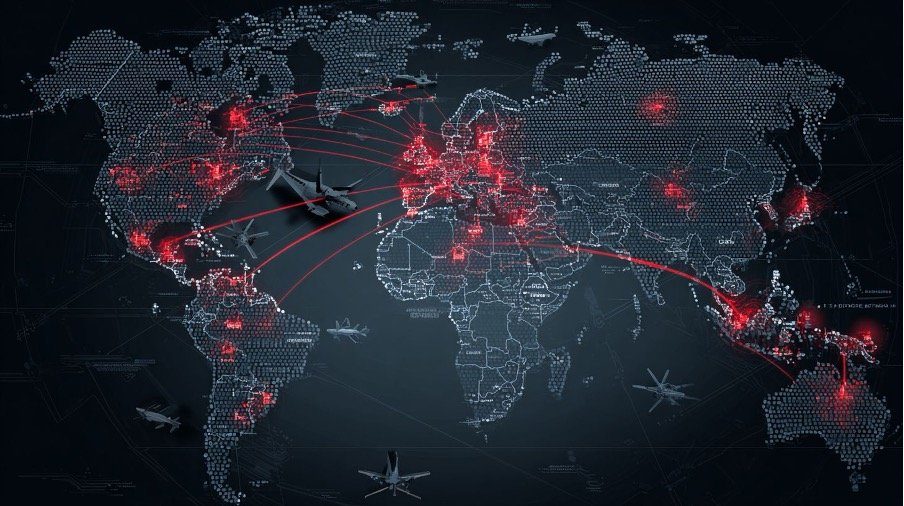
Smart surveillance and cybercrime investigation technologies let law enforcement move from reacting to crimes to stopping them before they happen. Computer vision spots patterns in video feeds, while video analytics flags unusual behavior in real time. Digital forensics tools go through large data sets to find hidden connections in organized crime networks.
These systems work together to predict crime hotspots and track suspects before incidents occur. Agencies pair them with machine learning for better accuracy in crime forecasting. Global examples show police using facial recognition and NLP for faster investigations.
Ethical AI practices help address bias and protect human rights during this transition. INTERPOL and UNICRI promote transparency to build public trust. This move supports predictive policing without sacrificing accountability.
Next, surveillance systems monitor in real time. They connect with existing setups for quick deployment worldwide.
Smart Surveillance Systems
AI-powered CCTV systems process 10,000+ hours of footage daily using computer vision to detect anomalies and track suspects. Video analytics reviews clips much faster than manual methods. These tools shift policing toward crime prevention by alerting officers early.
Setup options include cloud for scalability or on-premise for data control. Many connect with Milestone XProtect for smooth operation. Agencies choose based on needs like camera count and local laws on facial recognition.
| Technology | Vendors | Accuracy | Cameras Supported | Cost |
|---|---|---|---|---|
| Hikvision DeepinView | Hikvision | 99% accuracy | 10K cameras | High |
| BriefCam | BriefCam | 3X faster review | Scalable | Medium |
| Motorola Avigilon | Motorola | Behavior analytics | Thousands | Medium-High |
Pick tools that match your agency's size and budget. Test demographic data for bias to make sure it is fair. Regular audits keep systems reliable and explainable.
Cybercrime Investigation Advances
AI accelerates cybercrime investigations by automating dark web monitoring, malware analysis, and financial tracking for organized crime networks. Natural language processing handles document floods quickly. Digital forensics uncovers traces in human trafficking and migrant smuggling cases.
Follow these steps for effective setups:
- Use Recorded Future to scrape the dark web with a 48hr setup.
- Use NLP tools like Cogito or Expert.ai for 500+ docs/hour.
- Apply Chainalysis for crypto tracing on illicit funds.
- Add Splunk MLTK for anomaly detection in logs.
A common mistake is separate agency data, which slows insights. Share feeds across teams for better risk assessment. UNODC and GLO.ACT projects in places like South Africa show how this combats cyber threats.
Focus on ethical AI to maintain transparency. Train staff on these tools to increase efficiency in predictive policing. This approach helps law enforcement agencies worldwide stay ahead of cybercriminals.
What Broader Impacts Shape Global AI Adoption?
Ethical AI concerns including algorithmic bias, human rights violations, and public trust challenges shape global law enforcement AI adoption. Law enforcement agencies worldwide face pushback when deploying tools like predictive policing and facial recognition. These issues slow down AI innovation in places like the United States and the European Union.
Transparency gaps make it hard for communities to trust systems used for crime prediction and surveillance. Officers and leaders must address bias in machine learning models to avoid targeting certain groups unfairly. Public trust depends on clear explanations of how AI decisions affect real lives.
Solutions come from groups like INTERPOL and UNICRI. Their AI ethics toolkit offers practical steps for fairness and accountability. UNODC guidelines also help with ethical use in fighting organized crime and human trafficking.
Countries like Singapore and South Korea balance these challenges by focusing on explainability and continuous training. This approach builds confidence in tools for real-time monitoring and crime prevention. Global meetings push for shared standards to protect human rights.
Bias in Predictive Models
Predictive models in policing often show bias, as seen in cases like LAPD where Black neighborhoods faced higher targeting. This happens because training data reflects past enforcement patterns, not actual crime rates. Crime hotspots get misidentified, eroding public trust.
To fix this, teams use tools like Fairlearn for debiasing. It adjusts algorithms to reduce unfair outcomes in risk assessment. Law enforcement agencies test models on diverse datasets before rollout.
Regular audits help spot issues early. Experts recommend involving community input for better data analysis. This keeps predictive policing fair across demographics.
Facial Recognition Errors
Facial recognition struggles with accuracy for some groups, like higher misidentification rates for Asian females noted by NIST. Poor lighting or angles in video analytics worsen computer vision errors. This leads to wrongful stops in surveillance operations.
Continuous retraining with varied images improves performance. Agencies update models often using new data from real-world use. Pairing AI with human review adds a safety layer.
Japan and South Africa train officers on these limits. They focus on ethical deployment for crime prevention. Clear policies prevent over-reliance on flawed tech.
Transparency Gaps
Lack of transparency in AI decisions frustrates oversight in law enforcement. Black-box models hide how natural language processing or digital forensics reach conclusions. This raises human rights concerns in migrant smuggling cases.
INTERPOL's AI ethics toolkit provides guidelines for explainability. Agencies document decision paths and share summaries with the public. Simple reports build accountability.
UNICRI and UNODC push similar standards. Tools like chatbots for officer monitoring now include clear logs. This fosters trust in AI for cybercrime and officer safety.
Global Guidelines and Solutions
UNICRI and UNODC offer guidelines for ethical AI in policing. They cover fairness in predictive tools and robotics for patrols. Programs like GLO.ACT target organized crime with balanced approaches.
Law enforcement in Argentina and the European Union adopt these for document processing and crime forecasting. Training emphasizes bias checks and human oversight. This reduces violations in high-stakes areas like human trafficking.
Practical steps include diverse teams for model building. Regular ethics reviews keep us in line with human rights. Global efforts create consistent standards for AI innovation.
From Global AI Adoption to Forensic-Grade Intelligence with PaladinAi
Across the world, countries like the United States, China, the United Kingdom, UAE, India, and Singapore are rapidly transforming law enforcement through Artificial Intelligence-shifting from reactive policing to proactive, intelligence-led operations. From predictive crime mapping and smart surveillance to digital forensics and cybercrime detection, AI is enabling agencies to process massive data volumes, identify threats in real time, and improve overall operational efficiency.
At the same time, this transformation brings critical challenges-bias in predictive models, transparency gaps, and the need for ethical AI frameworks. Global organizations like INTERPOL and UNICRI emphasize that the future of policing depends not just on AI adoption, but on trusted, explainable, and secure AI systems.
This is where PaladinAi becomes highly relevant.
Instead of isolated tools, PaladinAi delivers a unified, forensic-grade AI ecosystem designed specifically for law enforcement, digital forensics labs, and government agencies:
- DeepGaze – Detects deepfakes and manipulated media across video, image, and audio with forensic-level analysis
- IntelliView – Enables big data analytics and link intelligence to uncover hidden networks and financial crime trails
- Phonetic AI – Converts audio data into structured intelligence through transcription, keyword detection, and analysis
- AI Assistant – A secure, air-gapped AI platform for analyzing sensitive documents and datasets without external exposure
- IntelliScan – Real-time object detection and surveillance intelligence for enhanced situational awareness
- Intellex – Intelligent case management system to streamline investigations and collaboration
By combining these capabilities, PaladinAi empowers agencies to move beyond traditional policing into a fully proactive, intelligence-driven model-while ensuring data sovereignty, auditability, and compliance with ethical AI standards.
In a world where crime is becoming more digital, complex, and fast-moving, the real advantage lies in adopting platforms that are not just intelligent-but trusted, secure, and built for forensic accuracy.
PaladinAi stands at the center of this transformation - helping agencies detect truth, uncover patterns, and act with confidence.
Frequently Asked Questions
Ready to experience & accerlate your Investigations?
Experience the speed, simplicity, and power of our AI-powered Investiagtion platform.
Tell us a bit about your environment & requirements, and we’ll set up a demo to showcase our technology.