
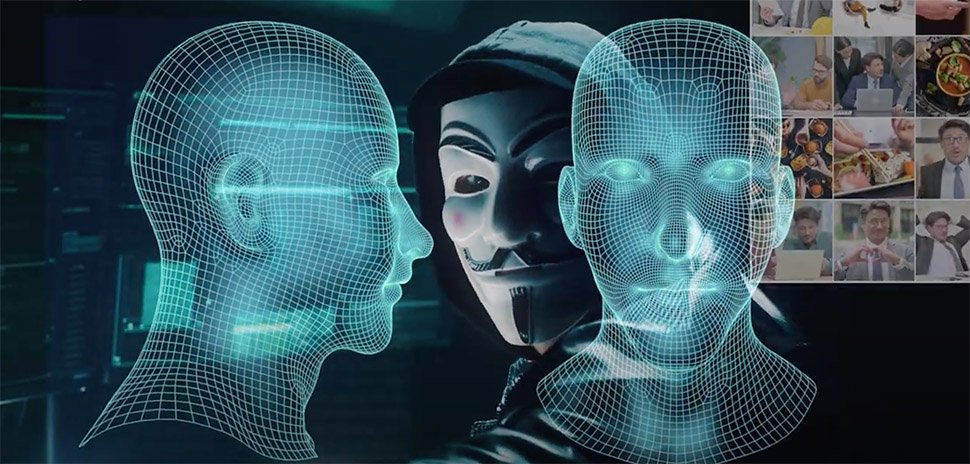
Video Deepfake Detection: Securing Visual Content
Deepfakes can bend the truth fast, and you see risks everywhere. A changed clip can damage trust, news, or a loved one’s name. Video deepfake detection helps you check what looks real on screen. You notice clues like odd blinking, warped shadows, or shaky lip sync. Frame review can reveal subtle seams left by careless editing. Modern tools also scan pixels, motion, and audio timing for mismatch. If you post, teach, or sell videos, you need these safety habits. Clear checks protect your brand, your classroom, and your community’s faith. This blog will set you up to employ deepfake detection for videos and secure your visual content with confidence.
Common video threats in the Age of Deepfakes
Deepfakes moved from niche tech to everyday risk across phones and feeds. Political speech abuse, fake interviews, and synthetic promotions now travel fast online. That shift makes deepfake detection for videos a practical need for anyone handling visual content.
Face swap clips
Face swaps place a new face onto an old body and setting. The best edits copy eye direction and head motion very closely. However, the edges often betray the trick during quick movement. Hair may blur into the background, and cheeks can look oddly smooth. You might also notice uneven skin tone across frames. Look closely at ears, earrings, and glasses. These small items often warp when the face model shifts.
These clips are used to humiliate targets or push fake product support. A short prank can easily become a serious harassment event. In politics, a swapped face can suggest a leader attended a meeting that never happened. Deepfake detection for videos in face swaps rewards slow viewing and healthy doubt. Creators often recycle famous footage to increase believability. That makes timeline and wardrobe checks useful.
Voice-lip sync fakes
Voice-lip sync fakes pair a believable face with a cloned voice. The mouth is then animated to follow that audio track. It can look clean at first glance, kind of unsettling. The attacker may use a few public clips to build the model. You may hear a voice that sounds right but lacks room echo.
These fakes target remote hiring, customer approvals, and video KYC checks. The Indian Express report notes that deepfakes can bypass video KYC by mimicking people with strong credit profiles. That risk is not theory anymore for banks and insurers. Deepfake detection for videos in this category must test audio and facial timing together.
Edited news footage
Some of the most harmful clips are only partly synthetic. Real news can be chopped, re-ordered, or paired with AI-added lines. A single inserted phrase can reverse the meaning of a whole segment. On the other hand, the anchor’s face and studio stay genuine.
Election seasons raise the stakes for these edits. Deepfake detection for videos is essential here because subtle edits often spread faster than obvious fakes.
Core detection methods for Spotting Deepfake Videos
Detection is strongest when simple human checks meet layered machine review. Creators and defenders keep learning from each other, so methods must stay flexible. A routine workflow for deepfake detection for videos prevents rushed decisions during viral moments.
Frame-by-frame checks
Frame review is slow but powerful when stakes are high. You pause to watch blinks, teeth, and jaw motion. Look for warping that appears only on the face area. Check if the ears change shape between frames.
Fast head turns still trip many models. Background textures may stay stable while the face swims slightly. A face that stays sharp while hair turns smudgy can be a clue. Deepfake detection for videos often begins with this patient, almost old-school inspection. Many fakes also struggle with side profiles.
Lighting and shadow cues
Light behaves consistently in real spaces. It should hit the forehead, nose, and neck in the same direction. Deepfakes may brighten the face while the room stays dim. Shadows can look painted on, not naturally soft.
Reflections offer extra hints. Glasses may miss a lamp reflection that the scene clearly contains. In addition, shiny skin can appear in a matte environment. Deepfake detection for videos using lighting checks is quick for editors and journalists.
Lip-sync mismatch scans
Speech and mouth movement should lock together tightly. A generated voice may arrive a fraction early or late. You might see lips close before a word finishes. Vowel shapes can look slightly off for the sound.
Try watching once with audio muted. Then play the audio without looking at the screen. When the two stories differ, that gap matters. Deepfake detection for videos here can be improved by basic audio-visual comparison training. If the audio is too clean for a noisy scene, take a second look. Learn more about audio deepfake detection
Metadata and source review
Source context can confirm a clip or raise a loud warning. Content Credentials and similar systems aim to track origin and edits in files. However, platforms do not always show these labels clearly. The Verge reports that metadata can be stripped or lost during reposting.
So source history is best treated as a supporting signal. Ask for original files, creator handles, and upload dates. Compare compression levels across copies when possible. Deepfake detection for videos gets stronger when source history and visual checks agree.
AI forensic detection tools
At scale, human eyes need automated triage. Platforms describe multilayer scanning for videos, images, and audio, with cloud and on-prem options plus API access. Various platforms emphasizes real-time protection across critical channels, including secure video conferencing and brand executive protection. These services help teams flag risk before manual review.
India has also built Authentify to detect and verify media across video, audio, and images. The Indian Express notes use cases in law enforcement and BFSI. This shows how enterprise demand is growing beyond social media. Deepfake detection for videos is increasingly a business continuity issue, not just a content issue. Integration matters as much as accuracy. Tools must fit your upload and review flow.
Risks of Deepfake Videos for People and Brands
Reputation damage
A fake clip can reshape how others see a person instantly. The local WhatsApp group or office chat can amplify it. Even after a debunk, the image may linger in memory. Brands face the same speed problem. A fake CEO rant or apology can crash sentiment in hours. Quick verification plus clear messaging reduces the damage window. Internal crisis scripts help teams respond without panic.
Financial fraud
Deepfake video calls have been used to push urgent transfers. Real-time impersonation adds pressure and social proof. Reports on growing threats from live video deepfakes and points to cases where companies lost large sums after such deceptions.
This is why banks and fintech firms add checks to remote onboarding. They also review high-value approvals with secondary channels. Even simple call-backs to known numbers can break the spell. Train finance teams to verify through two separate channels.
Legal trouble
Deepfakes can create defamation claims, privacy violations, and election disputes. Sharing a clip without checks may be seen as negligence. Some organizations now expect documented review steps before publishing sensitive footage. Keep records of file sources, tool outputs, and decision timestamps. This practice supports internal learning too. It also shows good faith when content is challenged.
Best Practices for Deepfake Video Detection
- Build a short review checklist for faces, audio, text, and scene context.
- Ask for the earliest upload and compare it with trusted official accounts.
- Use one specialist platform for quick scoring, then verify edge cases manually.
- Train staff on lip-sync, lighting, and framing cues using real examples.
- Set escalation rules for political, KYC, brand, or public safety content.
Conclusion
You now know deepfakes can blur truth and shake trust in seconds. Video deepfake detection deepfake detection helps you check faces, voices, and context before sharing. Small habits like slowing playback and scanning lighting can stop big harm. Smart tools add another layer, flagging patterns your eyes may miss. With steady practice, you protect your brand, your community, and your peace. That is how you secure visual content in an online world.
Ready to experience & accerlate your Investigations?
Experience the speed, simplicity, and power of our AI-powered Investiagtion platform.
Tell us a bit about your environment & requirements, and we’ll set up a demo to showcase our technology.