

Your company runs on images in email threads, dashboards, and daily reports. In that constant flow, fake photos and doctored screenshots can quietly slip through. A deepfake headshot might confirm a payment, unlock a door, or approve access. You face real risk to brand trust, leaders, contracts, and sensitive information. Image deepfake detection helps you test each critical image before trusting its story. With clear rules and smart tools, you block lies and protect business signals. This introduction guides you toward strong habits that help every enterprise ensure proper deepfake detection for images.
Image Manipulation Risks for Enterprises
Image editing no longer needs special skills or big tools, you know. Attackers can twist photos and documents in minutes with simple apps. For enterprises, deepfake tricks turn tiny image edits into real money loss and trust damage, so deepfake detection for images has become a core safety net.
Image manipulation in executive headshots
Executive headshots carry authority, status, and sometimes even silent approval for big actions. A fake image that shows a CEO standing with the “wrong” partner can move markets overnight. Attackers can also paste an executive face onto a staged photo that seems to support a false promise. Staff might see that picture in chat and believe the leader has already blessed a risky transfer. On the other hand, a forged headshot used on LinkedIn can mislead new hires, vendors, or bankers. These fakes slowly chip away at trust in every message from leadership. Strong deepfake detection for images helps security teams catch odd headshots before they spread through mail, chat, and press decks.
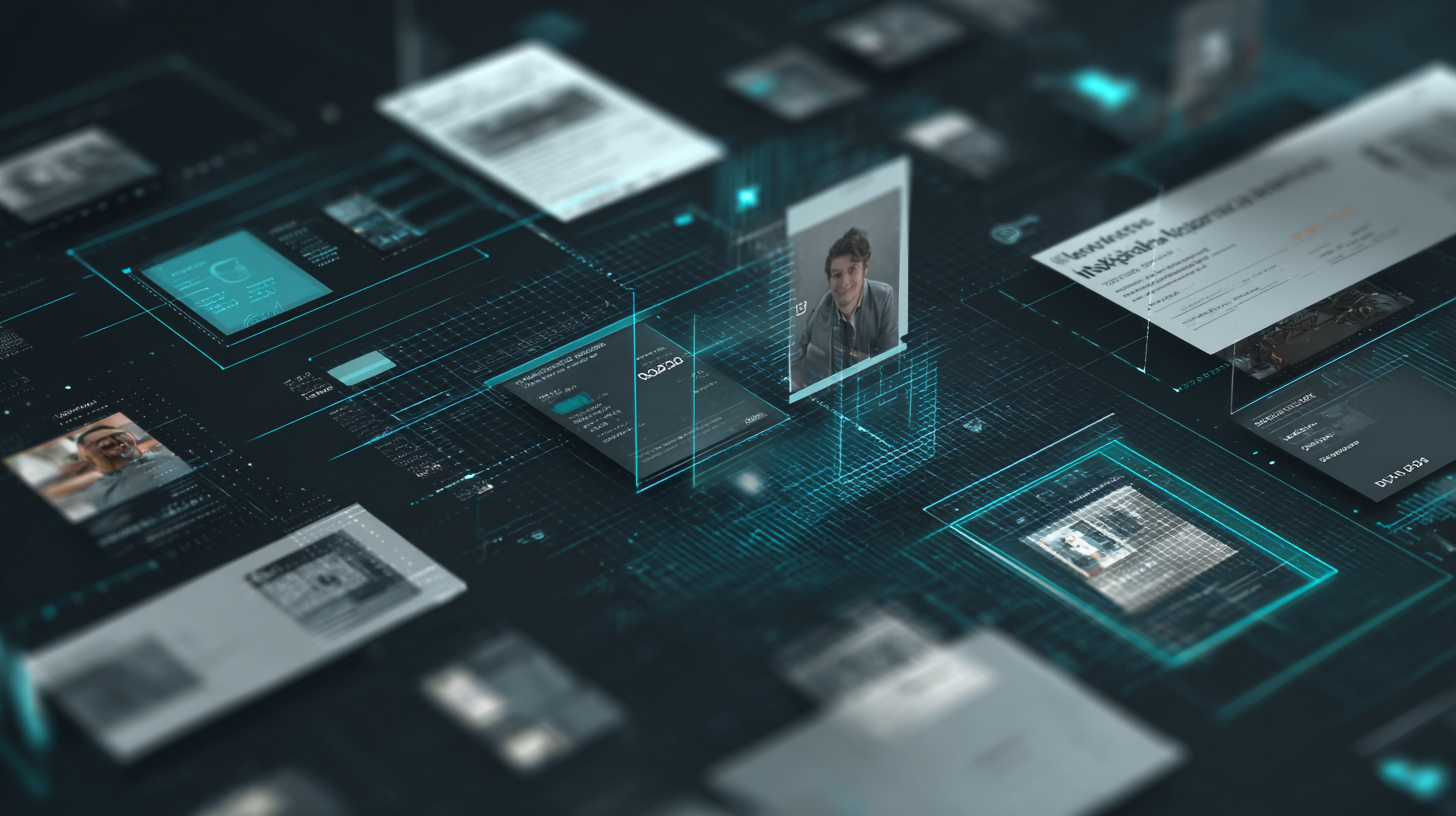
Image manipulation in invoice screenshots and payment proofs
Finance teams live inside email threads filled with invoice screenshots and payment proofs. A small change to a bank logo, account number, or currency line can reroute huge transfers with barely any visual hint. Criminals now send “updated” invoice images that look exactly like real vendor templates, but hide a new account for fraud. In many fraud cases, staff share these pictures in chat apps as quick proof instead of checking core systems. Also, busy teams often trust a clean screenshot more than a long PDF, which makes life easier for attackers. When policies require deepfake detection for images on invoice uploads, tools can flag strange font edges, pasted stamps, or mismatched resolution before money leaves the bank.
KYC, ID cards, and badge photos manipulation
KYC teams, banks, and fintech apps depend on clear photos of passports and ID cards. A forged chip badge or edited ID photo lets someone walk into a branch or data center like they belong there. Attackers now blend faces or smooth over security features so the document looks normal at a quick glance. Sometimes they keep the same document number but swap the face, which confuses both people and machines. In access control systems, a slightly altered badge photo might match facial recognition just enough to pass. In addition, some red-team tools help criminals test fake faces against selfie checks in real time. When deepfake detection for images runs on KYC and badge photos, it can reveal warped text, cloned background patterns, or cut-and-paste face regions that a human eye might miss.
Brand, PR, and social image manipulation
Public brand images travel fast across social feeds and news sites. One forged photo showing your logo near a protest or harmful event can explode within minutes. Political deepfakes already show how fake media can sway crowds and stir anger at scale. Enterprises face the same kind of chaos when fake product photos show injuries, fires, or strange defects that never happened. Well-edited hoax images can trigger boycotts, refund storms, and frantic calls from partners. PR teams then waste precious hours proving that the scary picture is not real at all. With deepfake detection for images in the review flow, comms and risk teams can flag suspect visuals before they are reshared by partners, influencers, or press outlets. Read more about video deepfake detection
Common Image Deepfake Detection Signals for Enterprises
Pixel-Level Artifacts and Texture Inconsistencies
Most fake images leave tiny scars inside pixels and textures, even if they look smooth. You might notice blurry hair edges, strange skin pores, or repeating texture blocks on close zoom. AI generators sometimes struggle with small patterns like zippers, stitching, text on fabric, or thin jewelry. Enterprise tools now scan for these glitches automatically across millions of uploaded photos every single day. Vendors use multilayer models that study pixels, compression noise, and image quality maps together for higher accuracy. These engines also compare new images against known clean samples from trusted cameras or scanners. When combined with deepfake detection for images, all those tiny visual quirks turn into strong, easy-to-read risk scores for analysts.
Lighting, Shadows, and Boundary Detection Signals
Light rarely lies, but fake images often treat light like an afterthought. Look at the direction of shadows from faces, hands, and nearby objects; they should all match. A fake head on a real body might keep the same expression but cast a very different shadow. Skin tone can suddenly shift along the jawline or neck where two images meet, which feels “off” even if you cannot say why. Boundary detection models learn these odd seams and highlight halos, double edges, or “too clean” borders around faces and objects. On the other hand, they can also spot areas where blur is used to hide the join line. Paired with deepfake detection for images, these lighting and boundary clues help catch clever splices that pass normal visual checks.
Metadata, Source Tracing, and Forensic Detection Signals
Sometimes the image itself looks fine, but the history sitting behind it feels wrong. Basic EXIF metadata may be missing, scrambled, or show an impossible device model, location, or date. Enterprises can trace whether an image first appeared inside their own systems or on some shady external site. Forensic tools also check file hashes, compression layers, and even older versions saved online or in backups. Reality-focused platforms already provide this kind of layered media forensics for enterprise teams, tying signals together in one view. In addition, some systems enrich images with threat intel about known deepfake campaigns or hostile actors. When deepfake detection for images includes these forensic and source checks, each suspicious upload carries a clear risk score instead of a simple yes or no label.
Deepfake Detection Methods Enterprises Should Practice to Prevent Image Manipulation
Multilayer AI Scanning for Image Manipulation
Single checks fail when deepfake tools improve, so layers matter a lot. Modern detection stacks mix computer vision, media forensics, threat intel, and even behaviour patterns across users. Platforms follow this multilayer path for enterprises and public agencies. Your own stack should scan images at upload, on share, and at key payment or approval steps. Also, high-risk flows such as vendor changes, KYC onboarding, and card reissues deserve deeper scanning rules. This way, deepfake detection for images runs quietly in the background while people keep working in their usual tools.
Continuous Monitoring and Alerting on Detection Signals
Threat actors test your defences slowly, sending a few poisoned images at first. If nobody reacts, they scale up attacks around paydays, big product launches, or public crises. Continuous monitoring watches image streams from email, chat, customer portals, and even public feeds in one place. When anomaly scores spike, central dashboards raise alerts for fraud, KYC, incident response, or comms teams. Some vendors even plug their scanners into workflow systems so high-risk images create tickets or chat pings instantly. In addition, historical dashboards show which departments or regions see more fake content over time. With steady deepfake detection for images running in the background, you do not have to wait for a panicked human complaint before noticing that something is wrong.
Escalation Playbooks for High-Risk Image Manipulation Alerts
Detection without response plans leaves teams stuck, you know, staring at scary dashboards. Clear playbooks tell people exactly who to call when a fake payment proof or badge photo appears. Finance might freeze that vendor code, while security checks whether the same account or image appears elsewhere. Comms teams may prepare holding statements if a fake brand image is spreading online and confusing customers. Legal can log evidence, preserve files, and review any regulator duties for your markets. On the other hand, some lower-risk alerts may only need quiet monitoring and extra logging. When deepfake detection for images triggers a high-risk alert, everyone should already know step one, step two, and step three.
Integrating Detection Signals into Existing Security Workflows
Image checks work best when they feel like part of daily tools, not extra chores. You kind of want detection scores right inside your email gateways, fraud engines, or KYC dashboards. That way, staff see one simple risk view instead of juggling many random tabs and exports. Enterprises can route high-risk images into case management platforms alongside logs, chat threads, and payment data. Security operations centers can treat image alerts like any other incident, with tickets, owners, and timelines. In addition, training teams can reuse real cases, redacted of course, to show staff how fakes look in practice. Even small changes, like tagging files with deepfake detection for images results, make future audits, playbook reviews, and tabletop exercises much easier to run.
Conclusion
You stand at a crossroads where images can no longer relax. Every photo that hits your screens might carry truth, or something twisted. As an enterprise leader, you need to build safety by treating pictures like assets. Invest in advanced image deepfake detection with clear rules and calm response steps. With each review, you protect money, trust, and the names you represent. In that work, your company stays real while fake noise fades.
Ready to experience & accerlate your Investigations?
Experience the speed, simplicity, and power of our AI-powered Investiagtion platform.
Tell us a bit about your environment & requirements, and we’ll set up a demo to showcase our technology.