
Deepfake Detection Guide 2026: How AI Identifies Fake Videos, Images & Audio
Deepfakes influence public spaces, workplaces, and daily communication. Users face difficulty judging whether a file is genuine. This raises concerns for trust and safety across digital systems. Tools built for Deepfake detection support this need by reviewing video, audio, and images to identify signs of manipulation. These tools add a structured layer of protection for individuals, companies, and institutions that share or review media.
What Is Deepfake Detection?
Deepfake detection is a technical process used to identify manipulated or synthetic media. It studies movement, texture, sound, and metadata to decide whether a file follows natural patterns. Real files show consistent skin texture, steady lighting, and natural voice behavior. Altered files break these patterns. Detection systems compare the signals and assign a risk score. This score helps teams decide whether the file is fit for use. Some platforms run the process before publication. Others run it during uploads or internal reviews.
This layer protects elections, verification systems, financial workflows, corporate communication, and social platforms. It lowers the spread of misleading media and helps maintain trust.
How Deepfake Detection Works?
Detection models use multiple review layers. Each layer examines a distinct aspect of the file. These elements work together to provide clear results. The system checks pixel noise, skin texture, mouth motion, optical flow, audio signatures, and metadata. The output is a structured report.
Machine Learning and Pattern Analysis
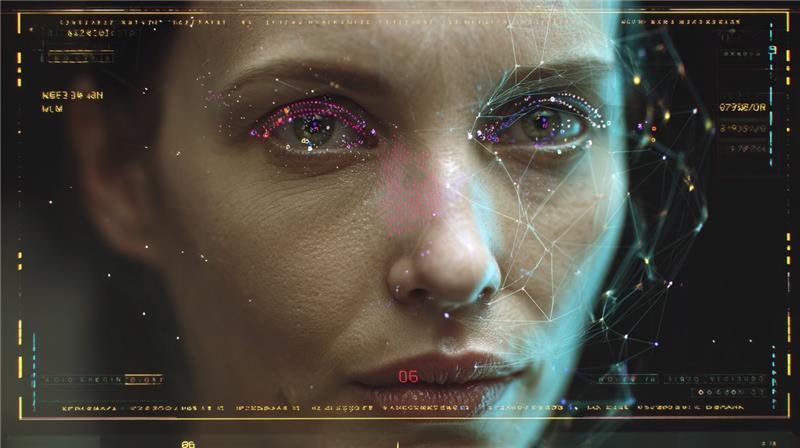
Models trained on large datasets review small variations in the file. They check shadow behavior, pore structure, and texture consistency. Real skin shows natural irregularities. Synthetic output shows smoothing or repetition. When the pattern does not match recorded human samples, the system highlights the segment. This step forms a core layer of deepfake detection, helping to screen large volumes of media more efficiently.
Microexpression and Facial Movement Tracking
Microexpressions occur during short emotional shifts. They appear in eyebrow movement, cheek tension, or eyelid motion. Real faces show small delays in these areas. Altered faces show unnatural timing or incomplete motion. Detection tools track these signals across frames. They review lip movement during speech and ensure phoneme shapes match audio. A mismatch indicates manipulation. This layer helps analysts during manual review.
Audio and Speech Pattern Analysis
Synthetic audio is increasingly used in calls, announcements, and impersonation attempts. Detection tools study pitch flow, rhythm, breath spacing, and background noise. Real voices show small variations. Cloned voices follow uniform patterns. A sudden shift in breath sound or an unnatural room echo reveals manipulation. When the audio does not align with the video, the system marks the file. This step provides structured support during deepfake detection in identity workflows.
Metadata and File Integrity Checks
Metadata includes time stamps, device details, and encoding history. It also records frame transitions and compression behavior. Manipulated files often lack consistent metadata. Detection tools study whether compression stays stable. Real files show continuity, and altered files show irregular jumps. Systems review sensor noise as well. Each device leaves unique digital noise on images and videos. Missing noise signals alteration. This step improves accuracy and helps maintain review quality.
Real-Time Detection for Live Streams
Live platforms face new risks because manipulated feeds appear during meetings, verification sessions, and public broadcasts. Real-time systems review frames as they appear. They track eye reflection, lip timing, and head movement. Natural eyes reflect light with variation. Synthetic eyes show uniform reflection. When the system finds irregular motion or texture, it sends alerts to the platform. This prevents harmful content from spreading.
Real-time screening uses optimized models. These models balance speed and accuracy. Many setups use cloud support to reduce load on user devices. This helps maintain stable streams. Real-time screening is now a common part of deepfake detection for public events and onboarding systems.
Types of Deepfakes and Related Detection Needs
Deepfakes appear in many formats. Each format needs a specific review method. Detection accuracy rises when the system studies the right signals for the right type of manipulation. These types shape how teams plan verification workflows and safeguard communication channels.
Face Swap Deepfakes
Face swap systems replace one face with another across frames. These files show distortions near edges, hairlines, or jawlines. The lighting on the inserted face often fails to match the background. Skin texture may blur when the head turns. Review tools study these patterns to judge authenticity. This type of manipulation needs a structured review because it spreads widely across social platforms and group chats.
Lip Sync Deepfakes
Lip sync files alter mouth movement to match new audio. They look convincing because the rest of the face stays stable. Review tools study how each mouth shape aligns with phoneme sounds. Real speech follows clear timing. Altered speech shows gaps or delays. These checks often support deepfake detection for interviews, public announcements, and training videos.
Voice Cloning
Voice cloning builds synthetic speech from short samples. This risks identity theft in calls, approvals, and financial requests. Review systems study pitch range, frequency patterns, and breath spacing. Synthetic voices show repeated patterns. Real voices hold more variation. Background noise also becomes a signal. When noise does not match room acoustics, the system marks the file for review.
Full Body Deepfakes
Full body files attempt to recreate posture, stride, and muscle movement. Nervous movement and hand motion often fail to match real patterns. Clothing folds shift in odd ways. Shadow length may not match body position. Review tools track limb coordination and gait. These signals guide deeper screening for security teams.
AI-Generated Synthetic Personas
Synthetic personas include full images, voices, profiles, and posts built with no real source. These personas spread across forums, hiring portals, and corporate channels. They run influence operations or social engineering attempts. Review systems detect unusual eye patterns, repeated facial markers, or limited expression range. These signals help platforms remove harmful accounts. This area forms a growing part of deepfake detection in moderated spaces.
Use Cases of Deepfake Detection in 2026
Detection tools shape workflows across public institutions and private sectors. They protect decision-making, communication, and verification steps. Synthetic media affects many layers of digital life. Structured detection reduces these risks.
Elections and Political Safeguards
Political manipulation rises before election cycles. Altered speeches spread fast on social networks. Review systems validate videos before publication. Teams check interviews, live clips, and statements. This helps prevent false claims and confusion among voters. Public institutions rely on accurate screening. It supports election monitoring teams. They review speeches, interviews, and short video clips released during campaigns. Quick screening helps them separate real statements from altered ones. Public agencies use automated alerts to flag videos that gain sudden reach on social media. This prevents false claims from shaping public opinion. Political groups also use structured review systems to protect their candidates from false videos pushed during debates or rallies.
Corporate and Brand Protection
Companies face risk from impersonation videos. False announcements affect stock prices, employee trust, and customer relations. Review teams screen internal and external files before release. They use both manual and automated checks. These steps help protect communication lines. They also prevent the spread of altered statements linked to high-level roles. Brands face risks when false videos show executives making statements they never made. Deepfake detection protects internal communication and public announcements. Teams use central verification tools before sharing major updates. This lowers the chance of financial confusion or reputation loss. HR teams also screen internal training videos, investor messages, and onboarding clips to ensure the source remains authentic. Clear validation steps strengthen trust with employees and external partners.
Identity Verification and KYC
Verification systems review faces, voices, and movement during onboarding. Some attempts use synthetic faces or cloned voices. Review tools track movement patterns, room acoustics, and texture consistency. When signals look unusual, the system alerts the platform. These steps protect accounts and reduce fraud risk. Verification platforms add layered checks to stop impersonation during online account creation. This keeps accounts safer and reduces the risk linked to forged digital identities. KYC teams rely on structured logs from these systems for audit and compliance checks. This workflow forms a steady part of deepfake detection for financial and telecom systems.
Fraud Prevention in Finance
Financial approval chains often rely on voice or video confirmation. Synthetic audio disrupts these processes. Review systems study timing, waveform irregularities, and background noise. When the audio falls outside expected patterns, the system marks the file. These checks help secure high-value actions and reduce exposure to impersonation attempts. Financial fraud has shifted to synthetic audio and video instructions. Attackers try to mimic voices during fund transfer requests. Deepfake detection reviews tone, rhythm, and background noise to prevent these attempts. Payment teams use this layer before processing sensitive instructions. Automated systems review video calls used for loan approvals or credit limit changes. These steps prevent fraud driven by false online personas.
Journalism and Media Authentication
Newsrooms review media before publishing. Synthetic files influence public opinion and damage credibility. Review teams check source files, metadata, and shadows. They compare audio and video alignment. These steps help prevent false reports from entering public circulation. They strengthen media accountability. Editors rely on automated checks to review frame changes, compression artifacts, and mask boundaries. These logs support responsible reporting. Archival teams store verified content with clear metadata and source markers to maintain long-term accuracy.
Law Enforcement and Cybercrime Investigations
Investigators review files linked to fraud, extortion, and impersonation. They work with large volumes of media. Review tools help them process files faster. They study movement, texture, and sound to mark suspicious sections. These signals guide further investigation and map connections in a case. Cyber units check video extortion attempts, false identity claims, and digital impersonation. Detection tools help filter large volumes of footage quickly. This gives investigators a clear view of genuine evidence for legal processes. This support forms a vital layer of deepfake detection in digital crime analysis.
Leading Deepfake Detection Tools and Technologies
Detection tools differ in design, speed, and accuracy. Each tool fits a specific environment. Some support internal workflows. Others support public platforms. Many organizations combine multiple systems for stronger results.
AI Detection Platforms
AI platforms use large neural networks. These networks study texture, eye behavior, lip shape, voice rhythm, and file structure. They provide a risk score that helps teams review files faster. Many platforms include dashboards for analysis. They store past results for audit needs. Many models in 2026 use multi-branch networks where image and audio streams are checked together. They flag irregular frame transitions, unnatural mouth movement, and mismatched acoustic signals. Most platforms also include dashboards that summarise threat levels for teams that monitor public communication. These models form a major part of deepfake detection across high-volume systems.
Browser Level Detection Systems
Browser tools run on user devices. They scan images and videos on social feeds. They give fast alerts when a file shows unusual signals. These tools work well for early screening. They help reduce misinformation before a file spreads. Browser tools work at the point of viewing. They scan files as users load them. They run basic pattern checks on facial alignment, lip movement, and pixel noise. They help users screen short clips without uploading content to external servers. These tools support quick checks for journalists, students, and reviewers.
Enterprise Security Solutions
Large companies use internal screening tools. These tools protect video meetings, voice approvals, and executive communication. They study identity signals in real time. When a file shows irregular patterns, the system alerts security teams. This workflow adds a structured layer to internal processes. Large organisations use broader systems that screen content across email servers, online meetings, customer interactions, and internal communication. These solutions link with fraud engines and identity-verification teams. They review thousands of files in batches and give alerts when synthetic content enters a workflow. They store detection logs for audit and training purposes.
Open Source Tools
Open source tools help researchers and developers. They test new models and review new manipulation methods. These tools support training efforts and help teams understand how new synthetic patterns appear. They play a supporting role in many testing environments. Open source projects provide modular options for teams that want direct control. Developers adjust model settings, train on small datasets, or integrate the tools with internal systems. Many research groups use these tools to develop new detection benchmarks or run custom experiments. This supports transparency and allows organisations to test detection performance with full visibility.
Cloud-Based Detection APIs
APIs allow platforms to run large numbers of checks. A file moves to the cloud. The system reviews it and sends a score back. This method supports apps with high traffic. It also supports companies with limited hardware resources. APIs support apps, banks, recruitment portals, and video platforms that need rapid screening. They accept images, videos, or audio clips and return structured reports with confidence scores. They help teams automate repetitive checks and reduce the load on manual reviewers. Most APIs in 2026 support batch uploads and asynchronous requests for large work.
Real-Time Detection for Social Media and Streaming
Public streams face constant manipulation attempts. Real-time tools process each frame as it appears. They study motion, shadow alignment, and audio rhythm. When a frame shows a mismatch, the tool marks it. This helps platforms protect viewers during live sessions. Many social networks use this layer to maintain trust during major events. Live streams create a high risk due to fast spread. Real-time tools monitor streams frame by frame. They check for inconsistent lighting, unstable textures, or mismatched audio. Alerts reach moderators when suspicious activity rises above fixed thresholds. These tools reduce false claims and help public platforms maintain trust during trending events.
Future of Deepfake Detection Beyond 2026
Detection methods will evolve as synthetic media grows more complex. New systems focus on source tracking, device verification, and global standards. These upgrades support long-term protection.
Watermarking and Origin Tracking
New systems attach identifiers at the point of capture. These identifiers show when and where a file was recorded. Review tools compare these identifiers with stored records. When a file lacks matching data, the system marks it. This supports stronger deepfake detection across public networks.
Device Level Verification
Device verification links a file to its source. Cameras and phones record patterns that reflect their hardware. Real files hold these patterns. Altered files lose them. Future systems will place stronger checks at the device level. This helps prevent the spread of altered media in sensitive environments.
Policy and Global Regulation Trends
Governments prepare new rules for synthetic content. These rules help define how platforms must screen media. They create shared standards for risk scoring. They also support cooperation between countries during major events. This structure helps platforms maintain public trust.
Explainable AI in Detection Models
Explainable models show why a file was flagged. They display signals linked to texture, voice, timing, or metadata. This helps reviewers understand each step. It also supports transparency in high-stakes environments. Many organizations prefer explainable systems for clarity and accountability. These systems support long-term deepfake detection planning.
Conclusion
Deepfakes shape communication across global systems. They influence identity, news, business, and public safety. Structured tools help users understand whether a file is real. These tools review motion, voice, metadata, and texture. They also help teams protect internal workflows. Each layer adds clarity and lowers risk. Organizations plan long-term strategies to keep these systems effective. As synthetic media grows, strong Deepfake detection becomes central to digital trust.
Frequently Asked Questions
Ready to experience & accerlate your Investigations?
Experience the speed, simplicity, and power of our AI-powered Investiagtion platform.
Tell us a bit about your environment & requirements, and we’ll set up a demo to showcase our technology.