
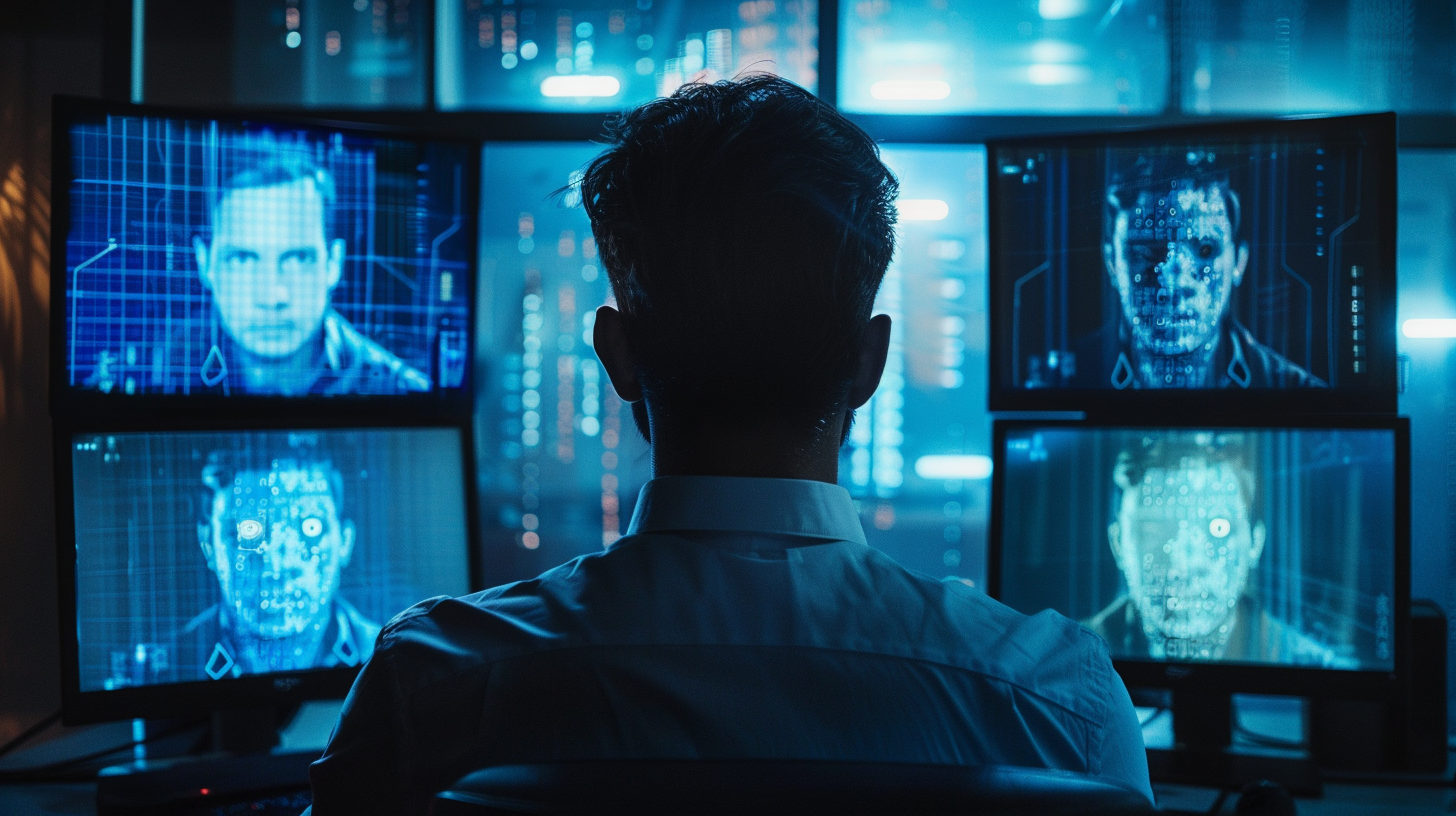
AI vs Traditional Digital Forensics: Key Differences
For a long time, digital forensics worked because evidence didn’t push back.
You acquired data, preserved it, analyzed it, and built a narrative. If something looked off, you could usually trace it-file structure, timestamps, compression artifacts, device logs. There was a logic to it.
That logic is still there. But the environment around it has changed.
What lands on your desk now isn’t just incomplete or messy. It’s increasingly designed-videos that survive casual inspection, voices that pass basic acoustic checks, identities that exist only long enough to complete a transaction or mislead an investigation.
That’s the part most conversations miss. The problem isn’t just volume. It’s intent.
And that’s where traditional workflows start to show strain.
Where the Traditional Approach Starts Slowing You Down
Nothing in the standard pipeline is technically wrong. Acquisition is still disciplined. Chain of custody still matters. Reporting still needs to hold up in court.
But the pressure points are obvious once you run a real case.
You pull in 120–150 hours of CCTV from multiple locations. Add a couple of mobile extractions-chat logs, media files, call records. Maybe a cloud backup. Then a clip surfaces online that becomes central to the case.
Now you’re not dealing with a single dataset. You’re dealing with fragments across systems, formats, and timelines.
The bottleneck isn’t access anymore. It’s interpretation.
Manual review becomes the default response. Analysts scrub footage, jump between timestamps, try to keep mental maps of where a subject appears. You can be thorough, but you can’t be exhaustive. Not at that scale.
Fatigue creeps in. So does inconsistency.
And then there’s synthetic media.
Traditional validation techniques-metadata checks, compression analysis, visual inspection-were never designed to handle content that’s been generated to avoid leaving those signals. When a face is swapped cleanly or a voice is cloned with minimal distortion, you’re left relying on judgment more than evidence.
That’s a dangerous place to be.
The Conversation Around AI Usually Misses the Point
Most discussions about AI in digital forensics focus on speed.
Automation. Faster processing. Reduced manual effort.
That’s all true. It’s also not the main shift.
The real change is where the analyst spends time.
In a traditional workflow, a significant portion of effort goes into finding something worth analyzing. Locating relevant clips. Identifying segments that might matter. Cross-referencing across sources.
With AI-driven systems, that effort moves.
The system ingests data, indexes it, and begins surfacing anomalies-patterns that don’t align, entities that recur across datasets, segments that deviate from expected behavior.
You’re no longer scanning blindly. You’re being directed.
That can feel uncomfortable. It should.
Because it means trusting a system to narrow the field before you apply judgment. But once that trust is calibrated, the workflow changes in a very practical way:
You stop searching for evidence.
You start validating it.
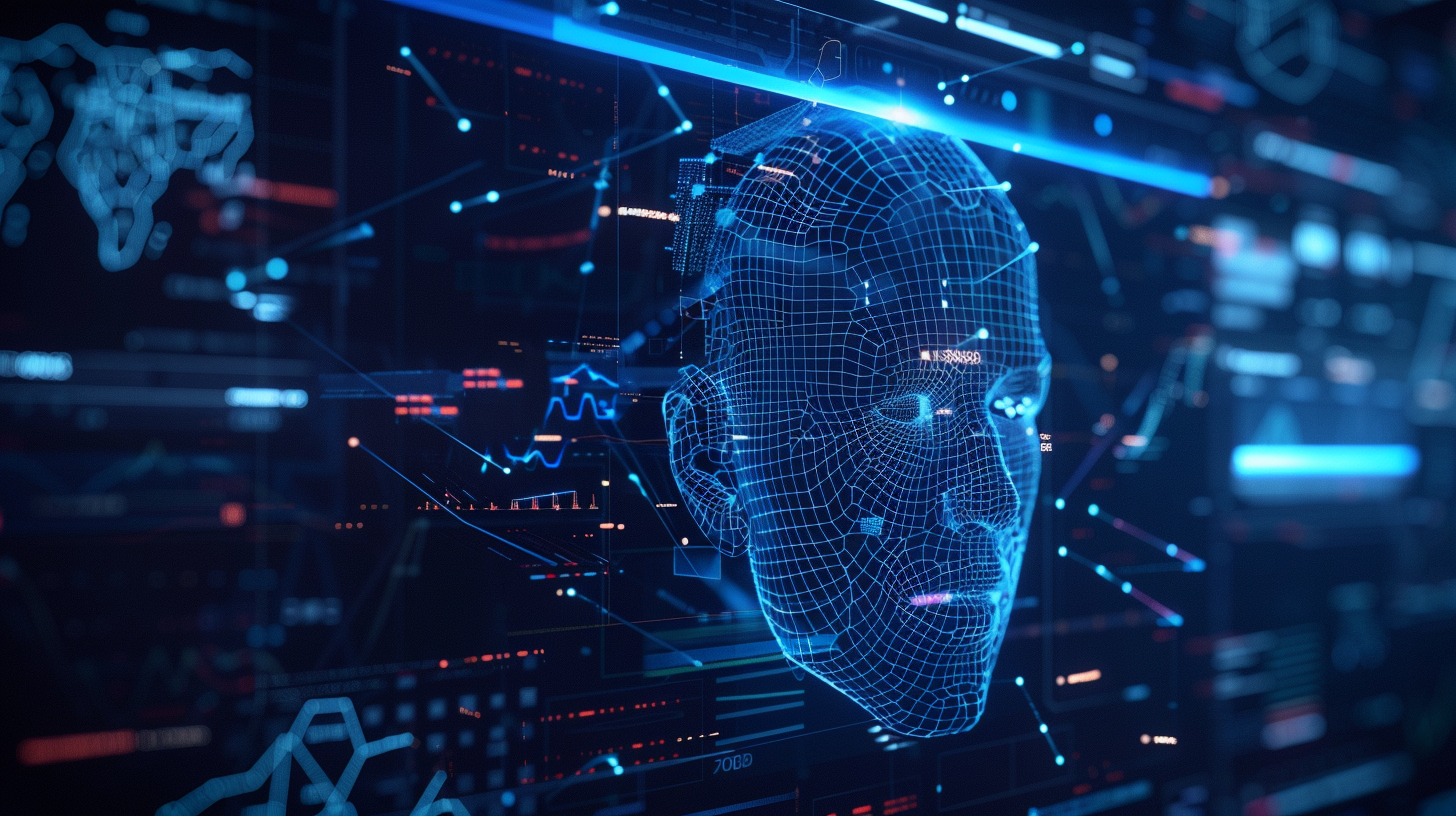
What That Looks Like in an Actual Investigation
Take a scenario that’s becoming more common.
A video surfaces showing a public official making a statement that triggers immediate attention. It spreads quickly. You’re asked to verify authenticity.
Under a traditional approach, the steps are predictable:
- Extract metadata
- Inspect frames manually
- Compare with known footage of the individual
- Look for compression inconsistencies or editing traces
Sometimes you find something. Often, you don’t. You end up with an assessment that lacks specificity-“no conclusive signs of manipulation.”
That doesn’t resolve anything.
Now run the same case through an AI-supported pipeline.
The system ingests the video and reference material. It breaks the content down-frames, audio segments, facial landmarks, voice patterns.
Instead of giving you a binary answer, it highlights friction points:
- lip movement diverges from phoneme alignment in specific segments
- voice characteristics drift from established baseline ranges
- facial micro-patterns show inconsistencies under frame isolation
It doesn’t declare the video fake. It isolates where it fails.
That’s a critical difference.
Because once you have localized inconsistencies, you can:
- review those segments in detail
- correlate with other evidence
- build a report that points to specific, reproducible findings
You move from suspicion to explanation.
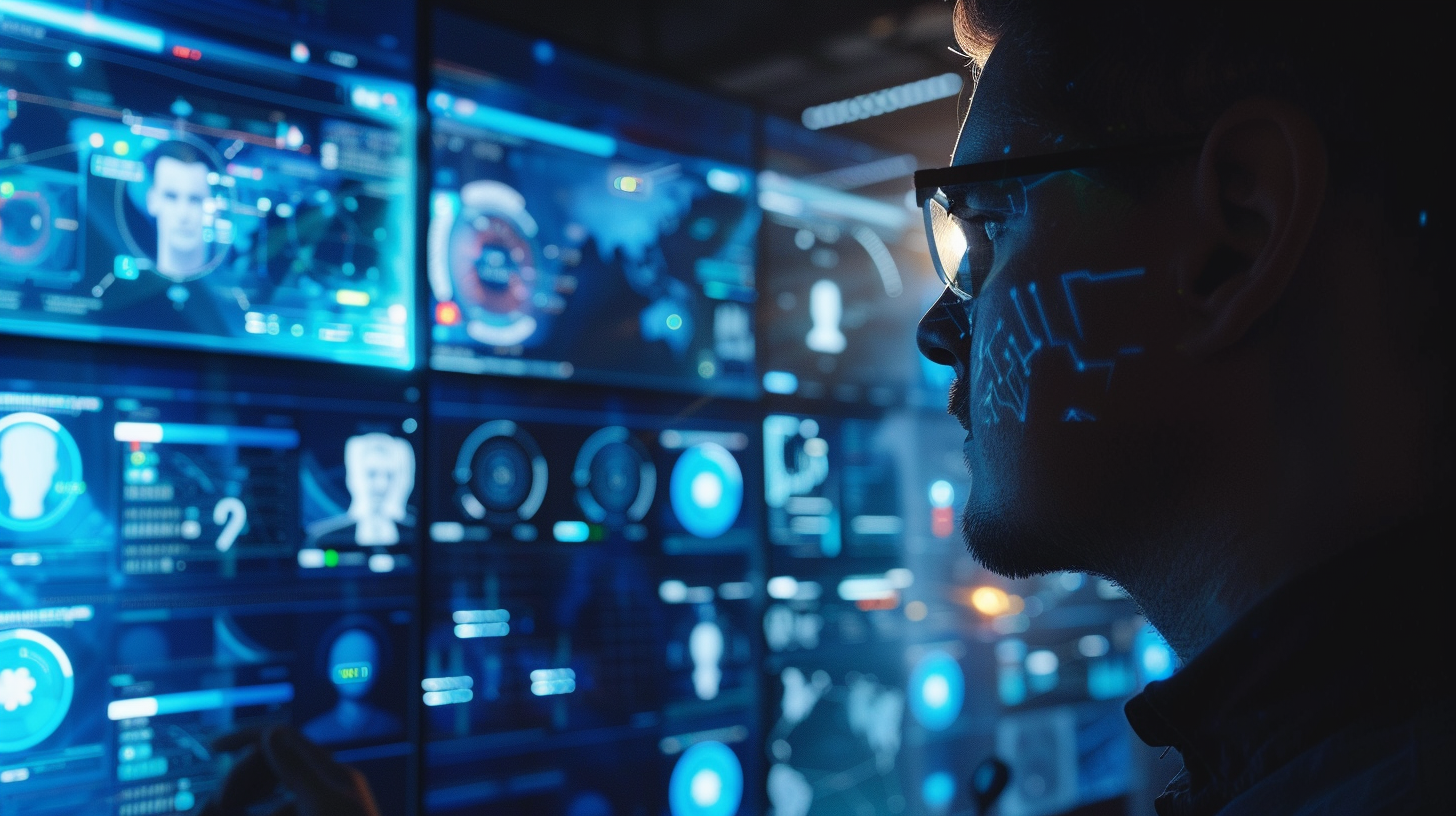
AI vs Traditional Digital Forensics: A Practical Comparison
A clearer comparison (without oversimplifying it)
| Capability | Traditional Digital Forensics | AI-Driven Forensics |
|---|---|---|
| Speed | Sequential, review-heavy | Parallel processing, prioritized output |
| Accuracy | Dependent on analyst coverage | Pattern-driven, consistent anomaly detection |
| Scalability | Struggles with multi-source, high-volume data | Designed for large-scale ingestion and indexing |
| Deepfake detection forensics | Limited to artifact-based checks | Multimodal (video, audio, image correlation) |
| Manual effort | High | Reduced, but still requires validation |
| Real-time capability | Rare in practice | Increasingly viable in controlled setups |
| Evidence correlation | Manual linking across tools | Automated clustering and timeline reconstruction |
The table makes it look clean. In practice, it’s not. But the direction is hard to ignore.
Detection Is Only One Layer (And That’s Where Many Tools Stop)
There are platforms in the market that focus heavily on detection. DeepGaze is one example-strong at identifying manipulated media and tracking its spread across digital ecosystems.
That solves a real problem.
But it’s only part of the investigative process.
Knowing that a video is manipulated doesn’t tell you:
- how it connects to other evidence
- whether the same subject appears elsewhere in the dataset
- what role it plays in the broader case narrative
Detection answers what. Investigations require context.
That’s where many systems plateau.
Where Modern Forensic AI Actually Adds Value
The more useful systems don’t treat detection as an endpoint. They treat it as an entry point.
Instead of isolating a file, they integrate it into a larger workflow:
- ingest multiple data sources simultaneously
- extract entities across formats (faces, voices, objects, text)
- build relationships between those entities
- align everything along a timeline
This is where correlation becomes practical rather than theoretical.
You can trace a subject across different CCTV feeds.
Link a voice sample from a call recording to a video segment.
Reconstruct sequences of events without manually stitching everything together.
Systems like PaladinAi DeepGaze are built around that idea. The emphasis isn’t just on identifying manipulated content, but on embedding that analysis into a process that leads to forensic-grade reporting-structured, reproducible, and defensible.
It’s not about replacing existing workflows. It’s about removing the parts that don’t scale
The Constraints Don’t Go Away
It’s easy to overstate what AI solves.
Explainability is still a challenge. If a model flags a segment, you need to translate that into something a court can understand. A confidence score isn’t enough. You need reasoning, traceability, and a clear chain from input to output.
Reproducibility matters just as much. Given the same data and environment, the system should produce the same result. If it doesn’t, the credibility of the entire process is questioned.
Then there’s bias. Models trained on limited or skewed datasets can behave unpredictably when exposed to real-world variation. That shows up in edge cases-exactly the scenarios that matter most.
So no, AI doesn’t replace traditional digital forensics. It leans on it.
Hard.
What Changes Going Forward
The shift isn’t from traditional to AI. It’s from isolated analysis to integrated investigation.
Workflows become less about moving through steps and more about maintaining visibility across the entire dataset. Analysts rely on systems to surface patterns, but still carry the responsibility of validation and interpretation.
And perhaps the most significant change is cultural.
You trust less of what you see.
Not because everything is fake, but because the cost of assuming authenticity has gone up.
That’s not a technical shift. It’s a mindset.
Frequently Asked Questions
Ready to experience & accerlate your Investigations?
Experience the speed, simplicity, and power of our AI-powered Investiagtion platform.
Tell us a bit about your environment & requirements, and we’ll set up a demo to showcase our technology.