
Deepfake Detection for Banking Fraud Prevention
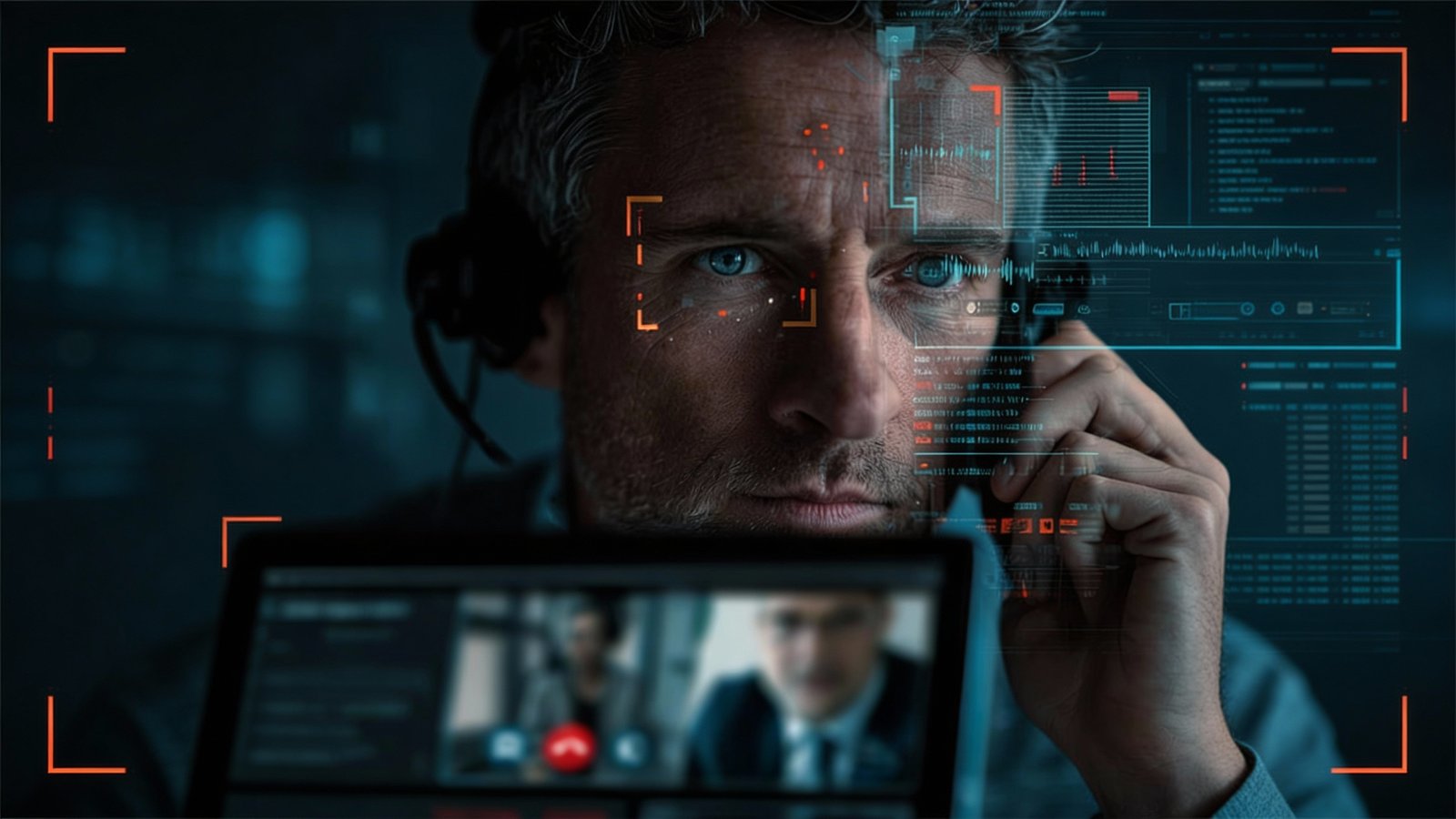
Bank trust can break fast when a deepfake slips through your screens. A fake face or voice can open accounts, move money, and vanish. You meet customers on apps, calls, and kiosks, often far away. Banking deepfake detection reads small clues: blink timing, lip sync, and sound bends. It spots edits in selfies, live video, and voice ID prompts. During ID checks, live tests can block puppets, masks, and replay tricks. With the right guardrails, you cut losses and keep honest customers calm.
Types of Banking fraud using deepfakes
Deepfakes turn simple trust into fast, costly banking fraud. They bend faces, voices, and videos into believable lies. Deepfake detection for banking belongs in every sign-in, call, and ID flow.
Voice scams
A scammer calls your support line and sounds like the real customer. The voice may copy breath, pace, and those tiny pauses, you know. Some crews use voice clones to pass phone checks and move money.
With deepfake detection for banking, the call gets a risk score early. It also checks for “too clean” audio with no room tone. On the other hand, an attacker may add fake hiss to hide. So, pair voice scoring with behavior, device, and account history. If risk rises, force a safe step before any reset. Ask for a fresh passphrase, not a birthday or street name. Also, delay transfers until the caller proves control in-app.
KYC threats
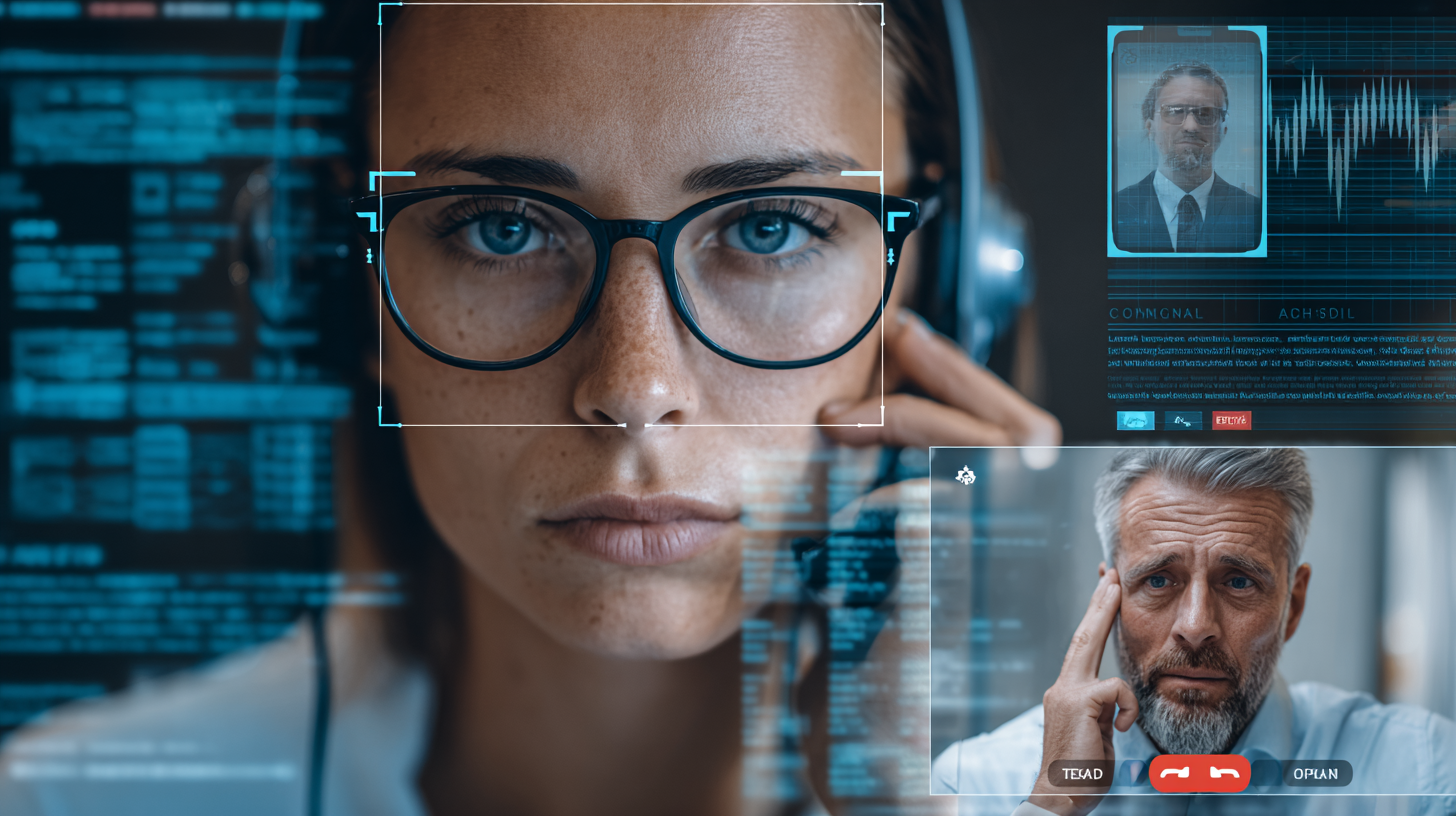
KYC for bank-related tasks begins with a selfie, an ID photo, and a few quick prompts. Deepfakes can swap faces, replay clips, or fake a live selfie feed. Deepfake detection helps stop these synthetic signups before accounts exist. Fake users may pass weak liveness tests with a screen replay. However, strong liveness asks random actions, like head turns or blink patterns. Passive checks also read light, skin texture, and tiny natural motion. In addition, match the selfie to the ID photo with strict thresholds. When deepfakes mimic expressions well, spotting them gets harder. So, keep an escalation path for shaky sessions and odd devices. A short delay now can save weeks of cleanup later.
Video-call impersonation
Video calls add comfort during loans, disputes, and high-value approvals. A criminal can join with a deepfake face filter, live and smooth. Deepfake detection for banking can scan the stream during the entire meeting. It watches for warped edges near hair, glasses, and teeth. It also flags blink timing that repeats in a steady loop. On the other hand, a smart attacker keeps calls short and friendly. So, add a timed step that forces true live motion. Ask the caller to read a random code close to the camera. Request a slow head turn while holding up two fingers. Also, confirm the request inside the mobile app before approval. If the video looks strange, switch to in-app chat and wait.
Executive impersonation fraud
Some fraud hits inside banking teams through urgent calls and panic. A deepfake voice can copy a senior leader and demand a wire. Audio deepfake detection can flag this pattern before approval happens.
The audio may sound confident, yet show odd pitch jumps. The caller may dodge normal steps, like ticket numbers or change logs. In addition, the attacker pushes speed and secrecy, kind of nonstop. Put a hard rule on vendor changes and large wires. Require two humans, two channels, and a cool-down window. Also, block “new beneficiary” wires until verified by callback. Keep leader contact lists verified, not copied from email threads. When staff follow the script, the scam loses oxygen fast.
Deepfake phishing and social engineering
Phishing still drains accounts through email, SMS, and chat links. Deepfakes add bite by adding “proof” voice notes and short videos. Deepfake detection for banking helps when a link arrives with a clip attached. A scammer may send a fake “bank agent” video with step-by-step prompts. Or a fake voice note may ask for an OTP “just once.” Many platforms describes deepfakes making phishing more convincing and emotional.
Also, these clips spread fast in group chats and social apps. Build a flow to capture the media and scan it. Then block the sender, freeze risky actions, and warn the user. In addition, show simple rules inside the app: never share OTPs. Use clear, plain alerts, not legal language.
Deepfake detection for banking: Key methods and techniques
Deepfakes hit many channels, so defenses must stack and cooperate. One test can fail; however, a bundle can hold strong. Deepfake detection for banking works best when signals trigger action in seconds.
Conclusion
Deepfakes will keep testing your bank, one face and voice at a time. You protect customers by spotting fakes before money starts moving. Strong checks watch selfies, video calls, and live phone speech. Smart rules also slow risky transfers and rushed account resets. Training keeps staff calm when a “boss” demands fast action. When banking deepfake detection stays active, trust feels steady and real.
Ready to experience & accerlate your Investigations?
Experience the speed, simplicity, and power of our AI-powered Investiagtion platform.
Tell us a bit about your environment & requirements, and we’ll set up a demo to showcase our technology.