
Deepfake Detection for Digital Forensics Labs
Deepfakes have become like dust on a lens in case files, and at first sight, you can be hard-pressed to see them. In a digital forensics lab, you are dealing with clips that are capable of moving a case in minutes. A clean chain of custody is nothing when the media is falsified. The fast dissemination of false media in recent election deepfakes, such as the Biden robocall in New Hampshire, demonstrates how fast such fake media can be. You should have a definite face, voice, light, and a silent file check. Frame glitches, lips drifting, and odd breaths are some indicators of interference. Metadata has the ability to identify edits, exports, and lost camera tags. AI deepfake forensics ensures your notes are solid in court. Truth and craft, with constant practices, you may walk apart.
Importance of Digital Forensics for Media Authentication
Digital media now walks into cases with a shaky origin story. Small edits can change meaning, motive, and blame in seconds. This is why deepfake detection for law enforcement matters inside the lab.
Establishing evidentiary integrity before content reaches a case file
Control over evidence begins immediately a file is received, not subsequently. The source and path of transfer and the exact time of delivery are recorded in the intake notes. Project original files remain intact, and approved copies will be the working set. The hash values are recorded prematurely in order to maintain the file identity locked. Deepfakes that are not consensual usually come in the form of reposts, screen captures and trimmed clips.
What is in the container is of more importance than people anticipate, since it contains timing hints. Frame rate, audio rate and compression profile may be changed silently during re-uploads. Those transitions are able to conceal edits or form unrealistic glitches to confuse analysis. In a high-profile robocall impersonation, the suspect media chain was reduced by the initial lineage checks. A clean intake line holds subsequent results out of balance.
Detecting visual and audio manipulation with structured, repeatable lab checks
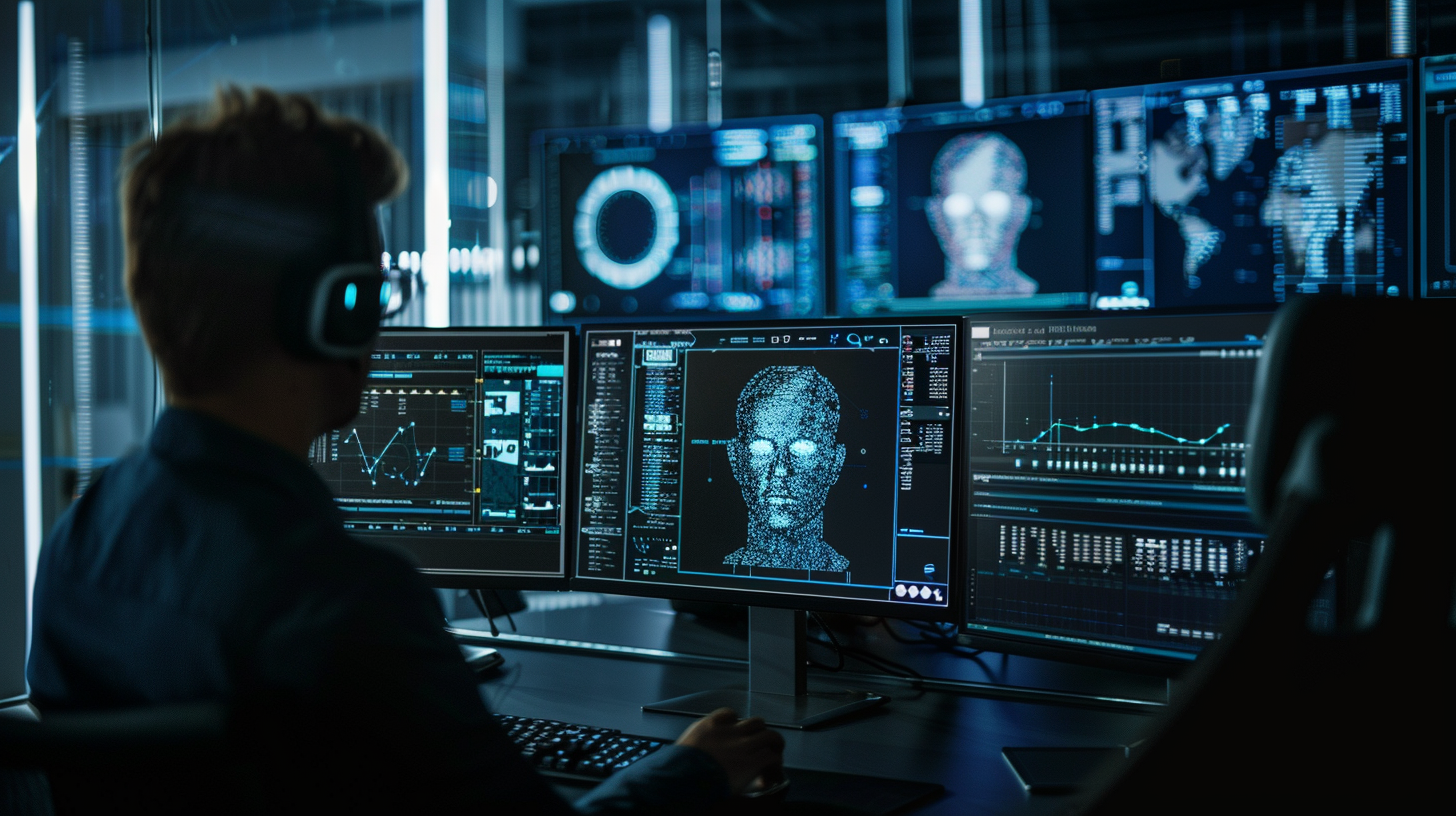
A solid laboratory method is not exciting and dull is fine. You read the first type codec, GOP layout, bit rate fluctuations and audio format. The abrupt change in parameters can give clues to splice or intense re-encoding. Then, face tracking maps the changes in landmarks, the change of head pose, and the change of mouth shape. Audio analysis incorporates spectrogram analysis, energy peaks, and suspicious frequency smears.
Deepfakes without consent are usually too clean in the face area. The skin may be at once greasy, and the hair sides glitter strangely. There is flickering of jewelry and teeth, particularly when turning rapidly. In a video-call recording of one of the investment scams, the face remained smooth when the earrings were jittering. An organized checklist reduces intuition into observations and quantifiable deltas.
Supporting courtroom defensibility with clear methods, logs, and explainable findings
The trust in the courtroom is based on the clarity of your ability to demonstrate your work. A record of the tools' names, versions, settings and processing activities should be captured in logs. Key frame screenshots enable jurors to look at what words fail to describe. You are also the owner of intermediate products such as stabilized crops and alignment reports. This is where forensic grade AI verification becomes a viable concept in the courtroom.
One fake score is hardly able to stand up to rigorous cross-examination. Rather, we have stack-independent signals that lead to the same conclusion. Also define limitations in simple terms, such as blur, low light or heavy compression noise. Record other causes, too, as innocent edits may resemble the signs of tampering. When reporting consistently, your results are more easily transmitted between experts. Evidence narrations are more readily believed in when they are clear and traceable.
Digital Forensic Techniques Used to Detect Non-Consensual Deepfakes
Non-consensual deepfakes are seeking speed, humiliation, and convincing realism. Labs combat that with scrutiny and re-reading on a file-by-file basis and repeatable measurement. The following methods are all suitable for non-real-time mode, where stored media is used and replays are controlled.
How PaladinAi’s Tool Helps in the Detection of Deepfake Media and Protect Digital Evidence?
DeepGaze provided by Paladin, assists labs in examining media in a relaxed and repeatable fashion. It emerges frame ranges in which facial movement, texture or edges act strangely. That is, less purposeless scrubbing and more attentive review windows. PhoneticAI reinforces audio review through voice similarity and voice feature drift scoring. It also indicates the patterns of pitch stability that probably have synthetic shaping. Intelliscan maintains the case flow with audit trails and systematized outputs. Hashes, notes, exports, and timestamps remain attached to every file in a clean manner. In addition, there is no longer any messiness or uncertainty in handoffs between analysts. AI Deepfake Forensics can be put into practice when the day-to-day workflow remains the same. Guidelines direct focus, but it is still a human opinion on what stands. Clean steps preserve evidence, whereas clear reports are used to aid findings to withstand challenge.
Conclusion
Deepfakes continue to become more precise and the harm can be delivered in a short period. Lab work also instills order with meticulous consumption and controlled, repeatable assessments. Layered signals beat one score nearly on each play. Reporting is best maintained when boundaries are expressed clearly and prematurely. AI Deepfake Forensics works best with evidence handling in a disciplined manner. On a daily basis, Deepfake detection for law enforcement succeeds when the approach overcomes panic.
Frequently Asked Questions
Ready to experience & accerlate your Investigations?
Experience the speed, simplicity, and power of our AI-powered Investiagtion platform.
Tell us a bit about your environment & requirements, and we’ll set up a demo to showcase our technology.