
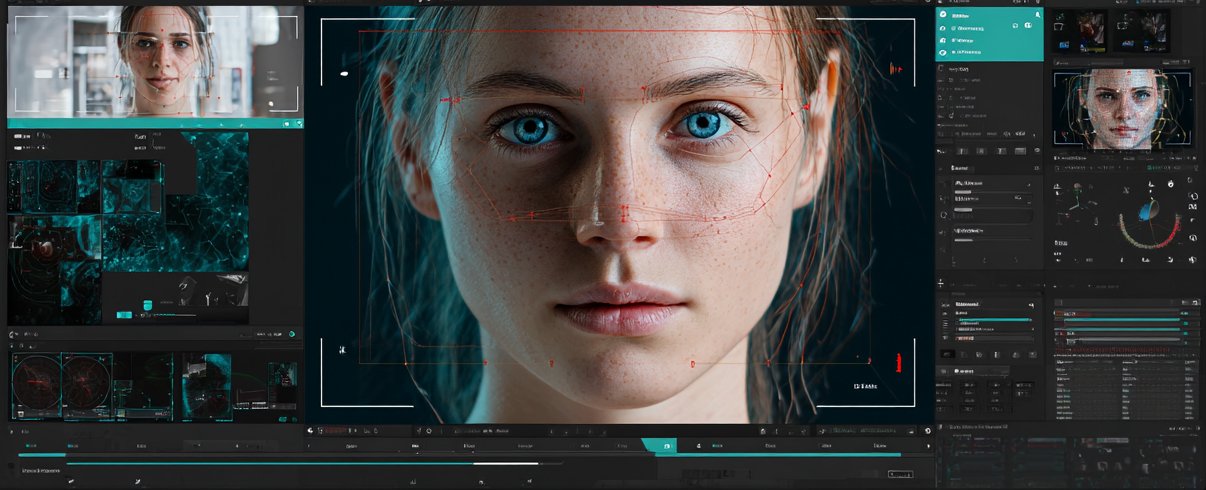
Deepfakes now slip into calls, meetings, and inboxes at work, and you can miss the danger in seconds. You may hear a boss voice, yet the words are fake, and the tone feels real. A single clip can trigger a payment, a hire, or a leak, even with good intent. That is why enterprise deepfake detection belongs in every risk plan, besides identity and fraud controls. You need checks for face swaps, voice clones, and edited screens, not just email filters. Think of login videos, CEO updates, and vendor checks under pressure, where speed beats caution. Strong tools flag odd pixels, strange sounds, and broken timelines fast, before harm spreads. With clear steps, you keep people calm and protect money and trust.
Different threats that need deepfake detection for enterprises
Fraud teams once chased fake emails and stolen passwords. Now they face fake faces and fake voices, too. A single clip can copy a leader’s tone, smile, and timing. That shift changes how risk teams work.
Executive voice cloning for payment approval scams
A voice clone can hit when people are rushed and tired. This is where audio deepfake detection for enterprises earns its keep. Think of month-end, payroll day, or a busy travel week. The caller sounds like the CFO, calm but urgent, and asks for “one quick transfer.” They may mention real vendor names, invoice numbers, and past deals. That detail lowers your guard, you know, even for trained staff.
The scam often targets the approval chain, not the bank. A manager gets a call, then a follow-up text, then a short “yes” reply is enough. The best defense is process plus proof. Require a second channel check, and a short spoken passphrase.
Deepfake video-call impersonation of executives
Video calls feel safer than voice, but they can be tricked. A fake “CEO” joins, uses the right lighting, and speaks in short lines. They may keep the camera angle tight to hide artifacts. They may blame a “bad connection” to excuse glitches.
These attacks work best in small groups with social pressure. The impostor pushes fast actions: a wire, a contract, a password reset. With deepfake detection, you can put guardrails in the meeting flow. Use verified links, locked rooms, and known device lists. Also train teams to pause and verify, even if it feels awkward.
Synthetic identity and biometric injection attacks
Some deepfakes do not aim to copy a real executive. They aim to look “real enough” to pass checks. A criminal builds a synthetic identity with a blended face and stolen data. Then they open accounts, request credit, or enter partner portals. This is where deepfake detection for enterprises saves money, fast.
Biometric injection is nastier. Instead of showing a live face, the attacker feeds a fake video into the camera. They can also replay a “liveness” clip, like blinking and head turns. If your system only checks motion, it can fail. Strong programs watch many signals at once. They compare skin texture, eye reflections, voice timing, and device trust. When signals conflict, they route to manual review.
Disinformation and reputation sabotage using manipulated speeches/media
Deepfakes can also punch a brand in public. A fake speech can show a leader “admitting” fraud or insulting customers. A short clip spreads fast in group chats, then jumps to feeds. Even after takedowns, copies keep circulating. The harm is not only lost trust. It can spook partners and trigger messy investigations.
Teams need playbooks before the first incident. Monitor for sudden spikes in mentions and clip sharing. Audio deepfake detection enables you to keep a library of verified executive voices, while video deepfake detection stores video samples. When a fake appears, deepfake detection compares the audio/video samples and responds quickly with a clear statement. In addition, align legal, comms, and security so replies match.
Deepfake detection in enterprise workflows
Deepfakes slip in through normal work, not just attacks. That means controls must live inside daily tools and steps. You want checks that run quietly, then raise a flag when needed. In practice, deepfake detection for enterprises works best when it blends into the workflow, like spam filters do.
KYC onboarding and identity verification
Onboarding is a favorite entry point for deepfake fraud. The attacker uploads clean documents, then presents a matching face on camera. They may use an avatar that tracks head movement. However, small tells show up when you look closer.
Deepfake detection facilitates good KYC checks that tie the person to the device and the session. They look for signs of screen capture, virtual cameras, and odd frame timing. They ask for short actions that are hard to pre-record, like reading random words. They also compare the face to document photos with strict thresholds. When risk is high, they add a human agent to verify. That agent needs tools: zoom, replay, and side-by-side matching.
Live video-call authentication for remote meetings
Remote work made video meetings a front door to secrets. Deals, roadmaps, and customer data get shared on screen. So a fake attendee can cause real damage, fast. The goal is not only to spot a fake face. It is to confirm the whole session is trusted.
Start with identity at join time. Use strong sign-in, and require known accounts for sensitive calls. Then add a “live check” during the meeting for high-risk moments. For example, before approving access or funds, ask for a quick verification step. It can be a callback, a secure chat prompt, or a short code read aloud. Also record meeting metadata, like device type and IP region. When things look odd, slow the process down, even if people groan.
Media authentication for internal and external communications
Enterprises push out lots of media: town halls, ads, training videos, and investor clips. Attackers can twist those assets or create new ones that look official. A fake clip may use the same branding, captions, and logo placement. It may even reuse real footage and swap the mouth. That is a nasty surprise for comms teams. Also, deepfake detection for enterprises helps spot fakes before they spread.
Set up a clear “source of truth” for official media. Store originals with hashes, timestamps, and controlled access. Before publishing, run scans that look for manipulation signs. After publishing, watch for copies with small edits. Also add simple authenticity cues that staff can verify. A pinned link, a signed statement, or a known watermark can help. On the other hand, do not rely on one marker alone.
Content moderation and misinformation monitoring
A deepfake can enter through social channels, support chats, or partner forums. Sometimes it is a clip; sometimes it is a voice note. A flood of fake content can drown out real messages. It can also bait employees into sharing more details. So monitoring cannot be “once a day” anymore.
Modern monitoring looks across text, audio, and video together. It flags sudden bursts, repeated scripts, and reused faces. It also routes high-risk items to trained reviewers. Those reviewers need short checklists, not vague instincts. Was the clip posted from a new account? Does the voice match past cadence? Are there frame skips around the mouth? When the answer is “maybe,” pause, label, and investigate.
Treat every confirmed deepfake as an incident. Speed beats perfection. Log it, learn from it, and update controls. Share lessons with finance, HR, and IT, not just security. Over time, you build resilience, not panic. And yes, it becomes part of how business stays safe.
Conclusion
Deepfakes are no longer a trick; they can drain budgets and trust fast. You protect payments by slowing approvals and verifying voices on a second channel. You protect meetings by locking rooms, checking faces, and watching odd glitches. Enterprise deepfake detection fits best inside KYC, comms, and daily review queues. With clear steps and calm training, you keep teams sharp and customers confident.
Ready to experience & accerlate your Investigations?
Experience the speed, simplicity, and power of our AI-powered Investiagtion platform.
Tell us a bit about your environment & requirements, and we’ll set up a demo to showcase our technology.