
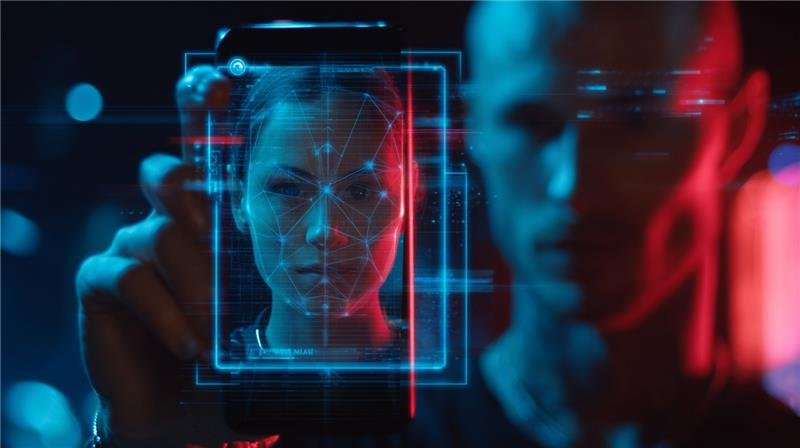
KYC starts with a face on a screen and a name. Deepfakes can copy that face, then slip past your checks. When a fake video looks real, trust can break fast. You need tools that spot tiny cracks in light and motion. Good systems read skin texture, eye blinks, and voice timing. They also check liveness, so a replay cannot fool you. With clear alerts, you can stop fraud before approval clicks. deepfake detection for kyc keeps real customers moving and impostors out. Strict rules and clean data make your checks stronger each week.
Why is Deepfake detection kyc needed?
KYC means proving a real person is behind a new account. Deepfakes now copy faces and voices so well that the usual checks can slip. Deepfake tricks have even shaken public trust in big events, so deepfake detection becomes a day-to-day shield in onboarding flows.
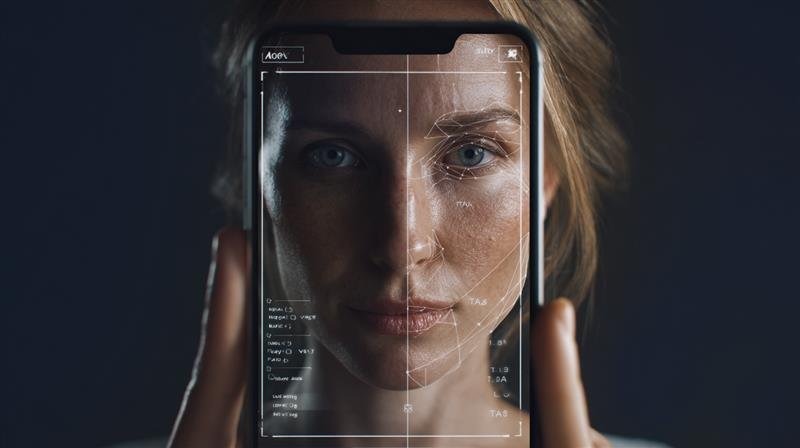
Claim fraud
Claim fraud loves anything that looks “caught on camera.” A fake crash clip, a fake selfie injury, or a fake broken-screen video can look clean. The file may even include real street noise, which feels convincing. However, the face and motion can be stitched from old clips. You end up paying out on a story that never happened.
In addition, deepfakes help repeat offenders scale fast. One person can submit many claims with many “different” faces. That is where deepfake detection Kyc earns its keep, right inside uploads. Some teams also flag odd background loops and frozen reflections. Those tiny tells often show up before money leaves.
Identity risks
Identity risks start with one simple move: a fake selfie that passes. A face-swap can borrow a real person’s public photos. A synthetic face can be generated from scratch, then aged up. Either way, the account looks normal at first glance.
Also, deepfake identity abuse is not just “new account” fraud. It can hit re-verification, password resets, and step-up checks. A fraudster may keep the same device, then switch the face. On the other hand, a real user might have poor lighting. Good systems learn that difference without being jumpy.
Video-KYC bypass via virtual-camera injection and replay attacks
Video-KYC feels safer because it is live, kind of. Attackers get around that by injecting a video feed. A “virtual camera” can replace the real camera stream with a deepfake. A replay can loop a recorded call, timed to your prompts.
You can fight this by watching the session, not just the face. Some stacks watch for virtual cameras and mobile emulators. They look for strange device signals and mismatched camera settings. If the app sees an injected feed, it can stop the flow early.
Mule-account creation and money laundering
Mule accounts are “normal” accounts used to move dirty money. Deepfakes help create these accounts at scale. A synthetic identity can open an account, then hand it off. The mule may look like a student, a retiree, anyone.
In addition, money laundering chains love speed and cover. A deepfake can reduce friction at the first gate. Once the account is open, small transfers start, then bigger ones. Some providers now provide financial services deepfake detection, alongside facial matching, so that synthetic identity fraud gets blocked earlier.
Voice-clone takeover
Voice checks feel personal, so they get trusted too easily. A voice clone can mimic tone, pacing, and even little pauses. That makes phone-based verification risky, especially for high-value accounts. Support teams also get tricked during “urgent” calls.
Also, voice attacks mix well with stress and noise. A busy call center line hides odd audio artifacts. However, voice deepfakes still leave clues in timing and frequency patterns. Detection can score those artifacts and flag risky calls. Many tools now scan audio as well as images and video.
How does deepfake detection work for kycs?
Deepfake defense works best when it checks many signals at once. One check looks at the face, another watches the device, another reads the file. When these pieces agree, deepfake detection Kyc becomes steady, fast, and harder to game.
Passive Liveness Detection
Passive liveness tries to stay invisible to the user. It watches natural motion, like tiny head shifts and blinking. It also reads skin texture and light on the cheeks. Real cameras add small noise that deepfakes often smooth away.
Also, passive checks can watch for odd edges around hair and glasses. Deepfakes sometimes “paint” those areas with soft blur. On the other hand, low-end phones can blur too. So the system learns your normal range and flags sudden changes. It is quiet, but it catches a lot.
Active Challenge-Response Liveness
Active liveness in deepfake detectiondeepfake detection asks the user to do quick actions. Turn the head left, then right. Smile, then open your mouth. Read a short number, then blink twice. The point is simple: a fake must react in real time.
In addition, strong challenges stay random. If the prompt is always the same, attackers can train around it. Also, timing matters more than fancy moves. A deepfake may answer late by a few frames. That delay is small, yet it is a loud signal.
Multilayer Forensic Analysis
Forensics checks the media like a detective checks a note. It looks at the file container, the codec, and the timestamps. It watches for odd jumps, missing frames, and strange compression blocks. Some deepfakes “fix” the face but forget the metadata.
Also, forensic markers can show how a file was built. A video may claim to be recorded on a phone, but the structure says “edited.” In addition, sound and picture may have mismatched timing. Platforms describe scanning technical signatures beyond pixels for this reason.
Audio and Voice Artifact Analysis
Financial services deepfake detection includes audio analysis that listens for what humans miss. It checks breath sounds, harsh cuts, and robotic smoothness. It looks at pitch changes and tiny rhythm breaks. A cloned voice can be clear, but “too clean.”
Also, a good system compares the spoken words to mouth motion. If lips move one way and speech lands another way, something is off. On the other hand, bad network calls can desync too. So the score blends audio clues with video clues, not just one.
Multimodal Ensemble Scoring
Multimodal scoring means many small models vote together. One model reads face texture and light. Another looks at motion and blink patterns. Another scans audio artifacts and timing. Another checks device and session risk signals.
In addition, the final output is often a clear risk score. Some tools return a manipulation probability score with explainable indicators. That helps your team decide fast, without guessing. Also, the score can route cases to manual review when needed. With that setup, deepfake detection Kyc becomes a gate that stays calm, even under pressure.
Conclusion
Deepfakes turn simple KYC steps into a quiet risk. You protect real customers by checking faces, voices, and live motion. You also reduce bad payouts and stop fake accounts early. Deepfake detection for kyc adds a safety net without slowing honest users. Keep rules clear, review tough cases, and track new tricks. Your KYC stays steady, even when fake media gets sharper.
Ready to experience & accerlate your Investigations?
Experience the speed, simplicity, and power of our AI-powered Investiagtion platform.
Tell us a bit about your environment & requirements, and we’ll set up a demo to showcase our technology.