
Why Deepfake Threat Detection Matters for Modern Identity Verification
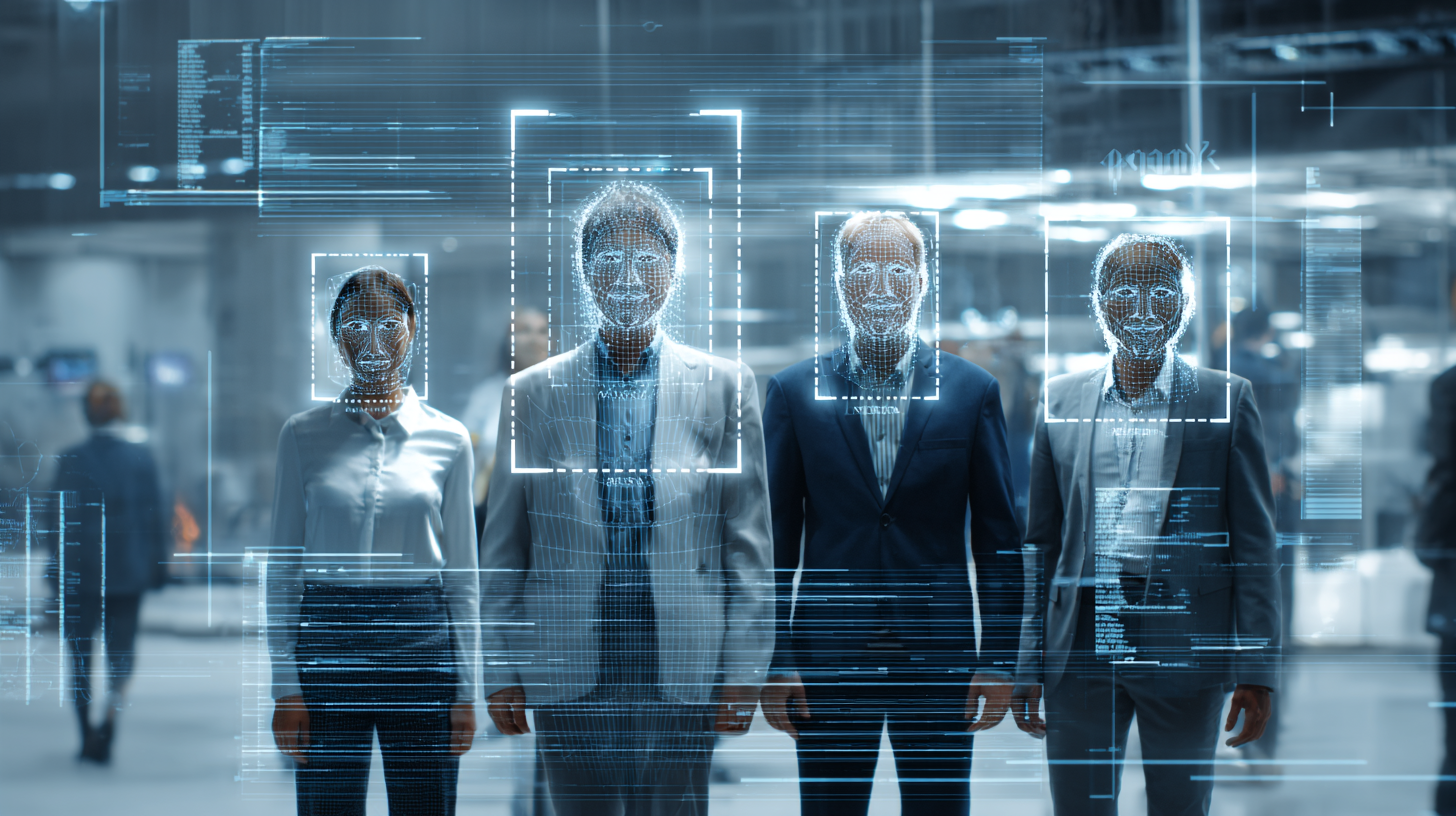
Your face is now a key that opens many digital doors. When you sign up for a bank app, cameras do the check. A fake video can copy you, down to tiny blinks. Deepfake threats slip past weak screens and steal real accounts. Strong detection spots odd light, warped skin, and broken lip moves. It also checks sound, time, and how your head turns. With better proof, you pass fast, and fraud hits a wall. That safety keeps sign-ins calm, even as video tricks grow.
Key Deepfake Risks in Modern Identity
Identity checks now happen on phones, in cars, and at kitchen tables. That ease is nice, but it opens doors for slick fakes. The risky part is simple: a camera can be fooled.
Deepfake Selfies That Slip Past Face Match and Basic Liveness
A fake selfie can look clean, bright, and “real” at first glance. It may copy your face from old posts or leaked clips. Basic liveness tests often look for one simple action. Blink, smile, turn, done. A skilled faker can replay a prepared video that nails those moves. Some fakes even add tiny skin pores and soft shadows. That fool's face match, especially in low light. On the other hand, the danger grows when checks run fast. Speed helps good users, but it also helps bad actors.
Virtual Camera and Emulator Injection Into KYC Sessions
Some attackers never point a real camera at anything. They use a virtual camera feed that plays a crafted video. The session still “looks” normal to the app. However, the signal is not natural at all. The frame timing can be too smooth, kind of perfect. The sensor noise is missing, and edges can look pasted. Emulators add another twist, because they mimic phones. They can fake device details, like model, lens type, and OS build. In addition, they can rotate IPs and fingerprints fast. That makes one person look like many “new” users. This is where deepfake detection must watch the pipeline, not only faces.
Face Swap, Morphing, and Reenactment in Live Video Checks
Live video checks feel safer than photos, but fakes learned that game. Face swap tools can map a чуж face onto yours in real time. Morphing can blend two faces into one “average” identity. That helps attackers pass weak face match rules. Reenactment is sneakier because it copies expressions and head turns. The fake mouth follows spoken words, almost right, almost. You may notice odd teeth shapes or wobbly cheeks. Also, hairlines can shimmer when the head moves. Shadows may lag behind the nose during quick turns. Deepfake detection works best when it checks motion, depth, and light together.
Voice Cloning That Breaks Call-Center and Voice-Biometric Steps
Voice steps are common in support calls and account recovery. A cloned voice can copy tone, speed, and tiny pauses. That is scary, because humans trust familiar sounds. Also, voice bots can speak your name with confidence. Some can answer security prompts with stolen data. However, cloned audio often has flat breath patterns. It may miss throat clicks and natural mouth noise. The pitch may snap at the end of words. On the other hand, busy agents may not catch that. Voice biometrics can fail too if it only checks one pattern. Better systems watch for live speech traits and playback artifacts.
Fake User and Courier Onboarding to Steal Payouts in High-Volume Apps
High-volume apps need fast onboarding, so checks are often lighter. Attackers know that, and they move fast. A fake user can open many accounts, then drain rewards. A fake courier can pass the sign-up, then grab orders and cash out. For example, a forged video can “prove” a person showed up. The attacker may use the same face with small edits each time. Also, documents can be doctored to match the fake face. The harm spreads beyond money. Real customers lose orders, and real couriers lose shifts. One bad loop can make the whole marketplace feel unsafe.
Modern Identity Deepfake Impact on Different Industries
Deepfakes do not hit one sector and stop there. They slide across finance, retail, travel, and public services. Also, once one method works, it gets copied everywhere.
Rising Fraud Losses and Chargebacks Across Digital Onboarding
Fraud often begins at the signup screen, not the payment screen. A fake identity can open an account and look “verified.” Then comes the shopping spree, the loan draw, or the payout grab. Chargebacks follow, and the bills land on the business. However, the hidden cost is bigger than the refunds. Support teams spend hours chasing the same ghost user. Merchants can lose payment privileges after too many disputes. Deepfake detection lowers that risk by blocking bad accounts early. It also helps stop mule networks that recycle the same synthetic faces.
Stronger Compliance Pressure for Remote KYC and AML Programs
Rules for identity checks keep tightening in many regions. Remote onboarding is convenient, but it must be trustworthy. If checks are weak, regulators can step in hard. Fines can follow, plus audits and forced process changes. In addition, fraud patterns can look like money laundering steps. A fake user may move funds across accounts fast. That triggers alerts, and review queues explode. On the other hand, good compliance is not only about fear. It is about proving you know who is on the other side. Clear evidence trails matter when cases turn serious.
Higher Operational Load for Trust, Safety, and Manual Review Teams
When fakes rise, manual review becomes the emergency brake. Reviewers scan faces, videos, documents, and device signals all day. That work is tiring, and mistakes creep in. Also, queues can grow faster than staffing can grow. Delays frustrate real users, so they quit signups. Some teams then loosen rules to keep the conversion high. Well, that backfires because fakes flood in again. Better tools can reduce the load by flagging high-risk sessions early. This is where deepfake detection helps triage smarter, not just harsher.
Brand Trust Damage After Deepfake-Driven Account Takeovers
Account takeovers feel personal because someone steals a real identity. A deepfake can help reset passwords or pass video support checks. Then the attacker changes email, phone, and recovery options. The real user gets locked out, and panic starts. Also, friends and family may get scam calls using the same cloned face. News spreads fast, and trust drops even faster. People stop using video verification, even if it is safe. However, trust can be rebuilt with clear protection steps. Strong checks, fast response, and honest alerts calm people down.
Platform Integrity Risks in Gig, Delivery, and Marketplace Ecosystems
Platforms depend on real humans showing up and doing the job. If identities are fake, safety risks jump. A fake courier can access homes, buildings, and private areas. A fake seller can run scams, then vanish overnight. In addition, deepfakes can create fake reviews and support chats. That makes the platform feel like a lie, top to bottom. On the other hand, strict checks can slow growth. The balance is tricky, you know. Smart friction is better than blunt friction. Deepfake detection can add that smart friction, only when signals look off.
Ways to Detect Deepfakes Threats
Detection works best when it layers many small checks together. One signal is easy to spoof, but many are harder. Also, the goal is not punishment; it is clean proof. Deepfake detection should watch the face, the voice, and the device path. On the other hand, it must stay fast, or real users bounce.
- Use advanced liveness with depth, motion, and light response checks.
- Inspect device signals for virtual cameras, emulators, and timing glitches.
- Compare voice prints with live speech cues, breath, and replay artifacts.
- Add risk scoring that adapts to location, behavior, and session history.
Conclusion
Modern identity checks must stay strong as video trickery gets sharper. You protect real people when you spot deepfake threats early. Better detection keeps onboarding smooth, fast, and fair for honest users. It also blocks stolen accounts before money and data disappear. When you test liveness well, fakes lose their edge. With clear safeguards, you keep trust steady in every sign-in.
Ready to experience & accerlate your Investigations?
Experience the speed, simplicity, and power of our AI-powered Investiagtion platform.
Tell us a bit about your environment & requirements, and we’ll set up a demo to showcase our technology.