
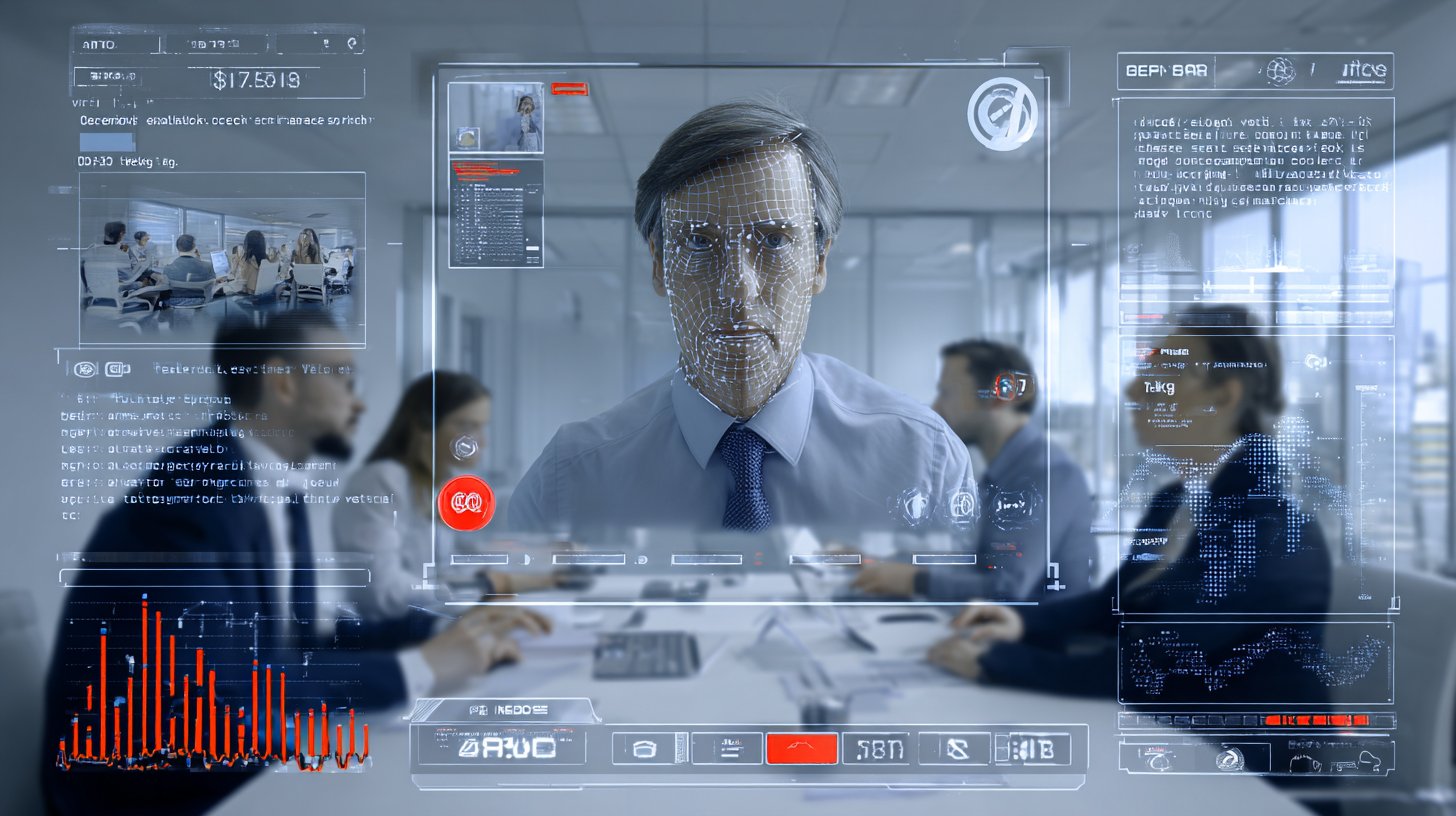
In business, trust rides on each voice, video, and urgent message. AI deepfakes can copy leaders fast, then spread lies in minutes. A fake finance boss call can push you to wire money today. A staged town-hall clip can shake staff, partners, and your brand. Email, Teams, and voice notes now carry deepfake communication risks. You need clear rules for sign-off, plus a simple verification step. Train your team to pause, check context, and confirm another way. With calm habits and strong tools, your messages stay real and safe.
Internal Communication Scams in Corporate Enterprises
Internal messages feel safe because they sit behind company logins. However, deepfakes slip into those spaces and mimic real leadership voices. A strong process, plus deepfake detection, gives you time to think.
CEO voice-clone “approve this wire” calls
A caller sounds like your CEO and asks for a fast wire. The story feels normal, like a vendor issue before day-end closes. The voice can copy pace, filler words, and tiny breath sounds. Attackers often spoof caller ID, so the number looks familiar. You may also hear pressure lines like keep it quiet and do it now. Also, they strike during travel days, quarter close, or late evenings. This is where enterprise deepfake detection must be employed. On a preliminary level, use a callback rule on a saved directory number. In addition, require two approvals for wires, even when leaders demand speed.
Fake Teams voice notes demanding instant sign-off
A short voice note drops in chat and feels friendly and personal. It says a deal, quote, or contract needs approval right now. The note may name real projects pulled from shared files or leaks. Also, the sender may write like your manager, using quick one. Voice notes slip past many filters, so the scam lands cleanly. However, the goal stays the same: force a rushed yes today. Confirm the request in a second channel, like email or ticketing. On the other hand, do not accept chat-only approvals for money, access, or contracts.
Impersonated CFO chats pushing last-minute vendor changes
A message from the CFO asks to update a vendor bank account. It includes an invoice that looks perfect, right down to spacing. The new account is framed as temporary, so doubts feel unnecessary. Sometimes a second fake executive joins, adding quick agreement messages. That social proof, you know, makes the change feel already approved. However, bank changes should never start inside chats or voice notes. Route changes through your vendor team, with a callback to known contacts. Also, match the request against past invoices and saved vendor records.
Deepfake video meetings to steal login codes and access
A meeting invite arrives with a normal title and a trusted host name. On camera, the leader nods, speaks, and reacts in real time. The face can look slightly off, yet still convincing on webcams. The ask is small: read a one-time code, or share your screen. Attackers may push a security update link during the call. Also, a short screen share can reveal tokens, passwords, and internal links. Use signed-in meeting rooms and block anonymous entry by default. Add deepfake detection for high-risk calls tied to payments, access resets, or system changes.
HR spoof messages requesting payroll edits and new bank details
Payroll requests look routine, so scams hide in plain sight. A message claims an employee changed banks and needs updates today. It may include a selfie video holding an ID for proof. That ID can be stolen, edited, or fully synthetic media. Also, the timing is chosen near payroll cut-off to create panic. HR teams want to help, so urgency feels like service. However, bank changes must use a check on an old phone number. On the other hand, never trust new contact details inside the same request. Hold the change for one cycle unless the employee confirms twice.
Brand Risks from AI Deepfakes
Brand trust is built slowly, then shattered quickly by one fake clip. Also, enterprise deepfake detection helps you spot threats before they spread widely.
Viral deepfake statements that spark instant backlash
A short video shows your leader saying something cruel or reckless. It spreads fast because the clip is designed for anger and sharing. Context is missing, so viewers fill gaps with assumptions and rumors. Customers may cancel, and partners may pause deals within hours. Also, employees see it and feel embarrassed, even if the clip is fake. However, silence can look like guilt when the clip goes viral. Keep a crisis script ready with verifying language and a next update time. Keep your media inbox monitored daily, so corrections land fast everywhere.
Deepfake earnings or crisis updates that shake investors and trust
A fake earnings clip can move prices before anyone reads the fine print. It may show your CFO admitting losses or forecasting sudden layoffs. A fake crisis update can claim bans, raids, or product shutdowns. Investors react, headlines follow, then employees feel shaky and distracted. Also, regulators may contact you, even while facts remain unclear. However, speed plus accuracy is hard without preparation and clear instructions. Use deepfake detection on suspicious clips before issuing a hard denial. Build one proof page for recordings, transcripts, and official links. In addition, share that proof page everywhere, so confusion dies quickly.
Conclusion
Deepfakes now slip into calls, chats, and videos inside busy workplaces. You protect trust by slowing money moves and verifying leadership requests. You also keep brand damage low by responding fast and clearly. Simple rules, clear approvals, and strong training cut deepfake communication risks. Add quick checks for voice, video, and links before acting. When proof matters, you choose facts over speed, every time.
Ready to experience & accerlate your Investigations?
Experience the speed, simplicity, and power of our AI-powered Investiagtion platform.
Tell us a bit about your environment & requirements, and we’ll set up a demo to showcase our technology.