
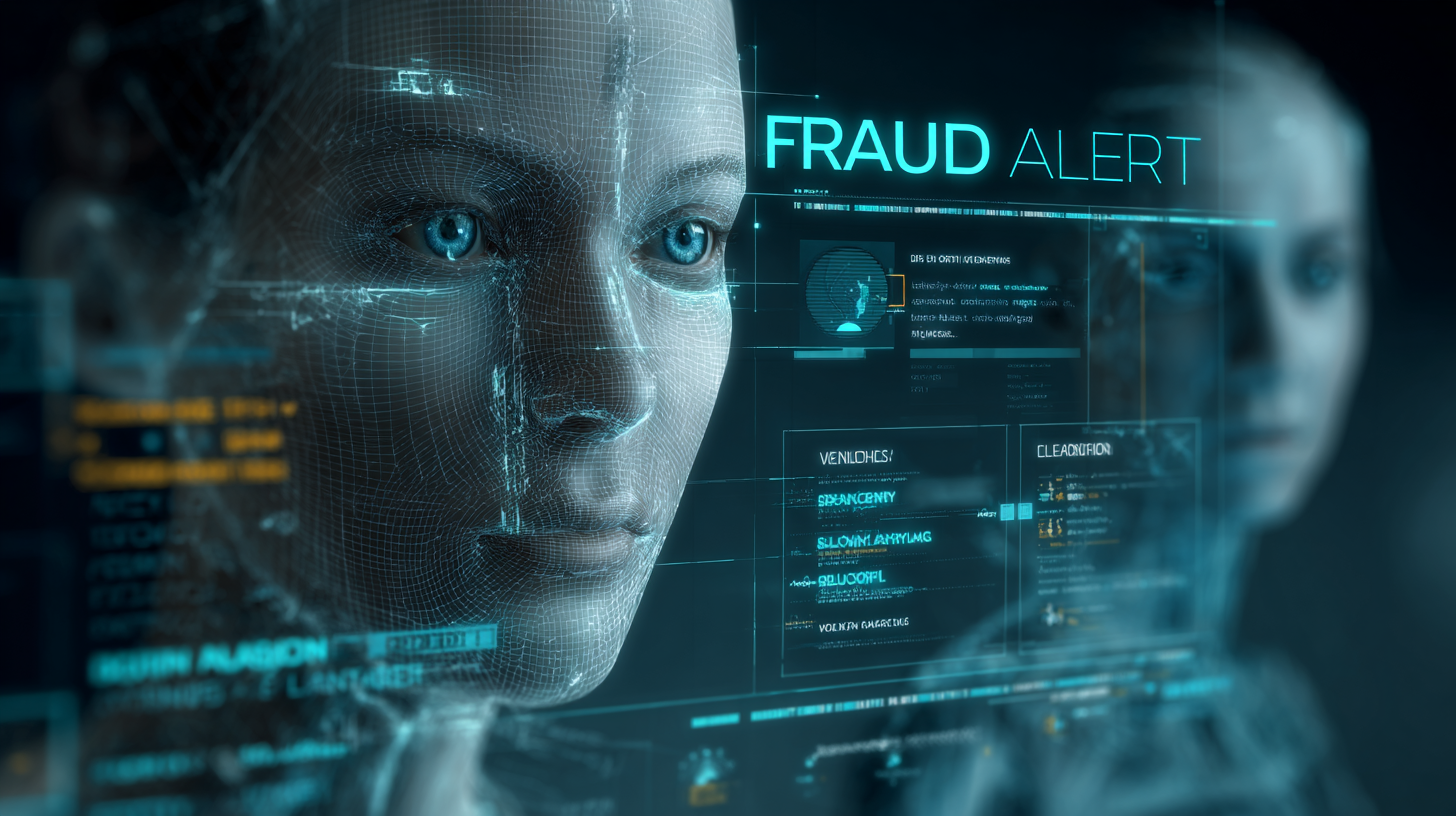
Fraud today can wear a friendly face and sound just right. A fake video can copy a boss, a client, or a loved one. One wrong click can send money to the wrong place fast. You need clear checks now before trust turns into loss. Deepfake detection tools help spot odd lips, eyes, and audio slips. Add them to login steps, call-backs, and strict payment rules. Train staff to pause, check names, and report strange clips quickly. With steady habits, you keep fraud out and keep business calm.
Fraud prevention deep detection tools
Fraud now shows up as real faces on screens and real voices on calls. You reduce losses when deepfake detection sits inside sign-in, support, and payment flows.
Image-Based Deepfake Detection
Fake photos drive account takeovers, refund abuse, and seller identity scams. You often see them during signup, listing creation, and profile recovery. Image screening looks for warped edges, odd skin texture, and smudged details.
You get better outcomes when you verify images right at upload time. Ask for a selfie, then ask for a second selfie with motion. Also request a clear shot of an ID, with glare removed.
The tool can spot face swaps that look fine to tired reviewers. It checks tiny pixel noise, plus unnatural blending near hairlines. Deepfake detection matters because one fake photo can unlock many actions. Add reuse checks to catch the same photo across many fresh accounts. In addition, watch for heavy edits around names, dates, and logos.
Voice-Clone Audio Detection
A voice-clone detector protects you from “urgent” calls that sound familiar. This matters for payroll changes, vendor payments, and high-value wire requests. Audio deepfake detection tracks audio patterns that feel off in small ways. It checks pitch, pacing, and breath, plus how syllables blend.
Cloned voices often carry telltale signs in the call background. The noise may jump suddenly, like two rooms cut together. Some calls sound too clean, with no natural rustle at all. On the other hand, real calls have messy pauses and uneven tone. The tool uses these hints to score risk in seconds.
Pair the score with clear rules that staff can follow. For example, any first-time payee needs a call-back to a saved number. Any “do it now” request needs a second channel code. Place deepfake detection right before approval, not after money leaves. You also train agents to slow down, ask a fresh question, and listen.
Video Deepfake Detection
Video scams hit onboarding, loan checks, and “face to face” support calls. Video analysis watches lips, blinks, and head motion across frames.
A solid system checks lighting changes as the face slowly turns. It looks for shimmering skin, warped earrings, and softened edge lines. It also checks audio sync, because fakes slip out of time.
Use quick prompts during the call to break common replay tricks. Ask for a head turn, then a pause, then a smile. Deepfake detection becomes stronger when prompts require fresh, unpredictable movement.
Block virtual camera feeds when the session stays high risk. In addition, tie the video score to device trust and limits. For example, a new device plus a risky video should freeze payouts.
Keep reviews fast so honest users do not feel punished. Offer a second short call, or a secure selfie video upload. Also explain holds in plain language, without heavy legal terms.
Also track session moves like sudden mutes, camera flips, and screen shares. These actions often hide a switch from real to fake. When that pattern appears, require a clean reconnect from the mobile camera.
Text-Based Deepfake Detection
Text impersonation fuels invoice scams, fake hiring, and support manipulation attempts. Attackers copy the writing style to sound like a real coworker fast. They push urgency, secrecy, and strange payment routes today hard.
Text tools scan for pressure phrases and sudden detail changes. They also inspect links, sender patterns, and risky attachments closely. However, writing style varies, so rules must always stay flexible.
Build a safe list of normal vendors, domains, and payment terms. Flag messages that swap bank details or add new wallets. In addition, detect “reply fast” language that skips verification steps.
Use text screening inside customer chat and email intake flows. It can suggest a secure callback when details look risky. This protects agents from social tricks during busy support shifts.
Also watch for copied invoice templates that appear in many threads. If the same wording repeats, route it to review first.
Pair alerts with training that feels practical, quick, and very concrete. Teach staff to confirm requests using known channels, not new links. Also require dual approval when the wording sounds oddly scripted.
Multi-modal Detection
Many scams mix media, because mixed proof feels convincing fast. A caller sends a selfie, then a voice note, then a video. Each piece alone may pass, yet the set still conflicts.
Multi-modal systems compare face, voice, and movement for consistency. They look for mismatches between lips, audio tone, and facial identity. They also check timing, file reuse, and device fingerprints carefully. This is why financial and banking deepfake detection employs multi-modal analysis tools for effective threat detection and fraud prevention.
You get a stronger score when signals stack across channels. Also add behavior cues, like repeated retries and sudden story changes. Deepfake detection becomes more reliable when several small hints align.
Use this approach for high-impact moments, not every tap. Focus on first withdrawals, large refunds, and account recovery flows. In addition, keep a quick pass path for trusted users.
How do such deep detection tools work?
These tools learn patterns from real media and known fakes over time. During training, models study faces, voices, and images for stable signals. The system checks lip timing, blink rhythm, and tiny pixel grain together. It also checks sensor noise that real cameras naturally leave behind. Many fakes smooth that noise or paste it in the wrong places. In addition, the tool looks for re-encoding marks and rough cut seams. Audio checks compare breath, pitch drift, and pauses that should sound human. Video checks watch light shifts across the skin as the head moves. Signals stack into a score, then your rules decide the next step. Deepfake detection works best when paired with call-backs and limit holds. Teams retrain models with fresh cases, because attackers keep changing tricks. You should log only what you need, and delete it quickly.
Top deepFake detection tool examples
Choose tools that match your biggest fraud costs and busiest channels first. Also prefer tools with clear alerts and fast handoff to review. You can use deepfake detection tools from the following brands.
- PaladinAi DeepGaze
- Facia
- Reality Defender
However, amongst all, PaladinAi DeepGaze stands as the #1 deepfake detection tool. Our tool provides advanced deepfake detection with multimodal analysis, forensic-grade AI, all types of threat analysis, and their flexible deployment. We thus help businesses with fraud detection, protect brand trust to ensure compliance, and secure digital communications against the increasing AI-driven risks.
Conclusion
Fraud can look real, yet it breaks trust in a heartbeat. You stay safer when you slow down and verify key steps. Deepfake detection tools add a smart guard to video, voice, and photos. Also, keep strict rules for payouts, call-backs, and login changes. Train staff to spot pressure, odd clips, and sudden new requests. With steady checks, you protect money, accounts, and peace of mind.
Ready to experience & accerlate your Investigations?
Experience the speed, simplicity, and power of our AI-powered Investiagtion platform.
Tell us a bit about your environment & requirements, and we’ll set up a demo to showcase our technology.