
How Can Synthetic Media Complicate Digital Evidence Attribution?
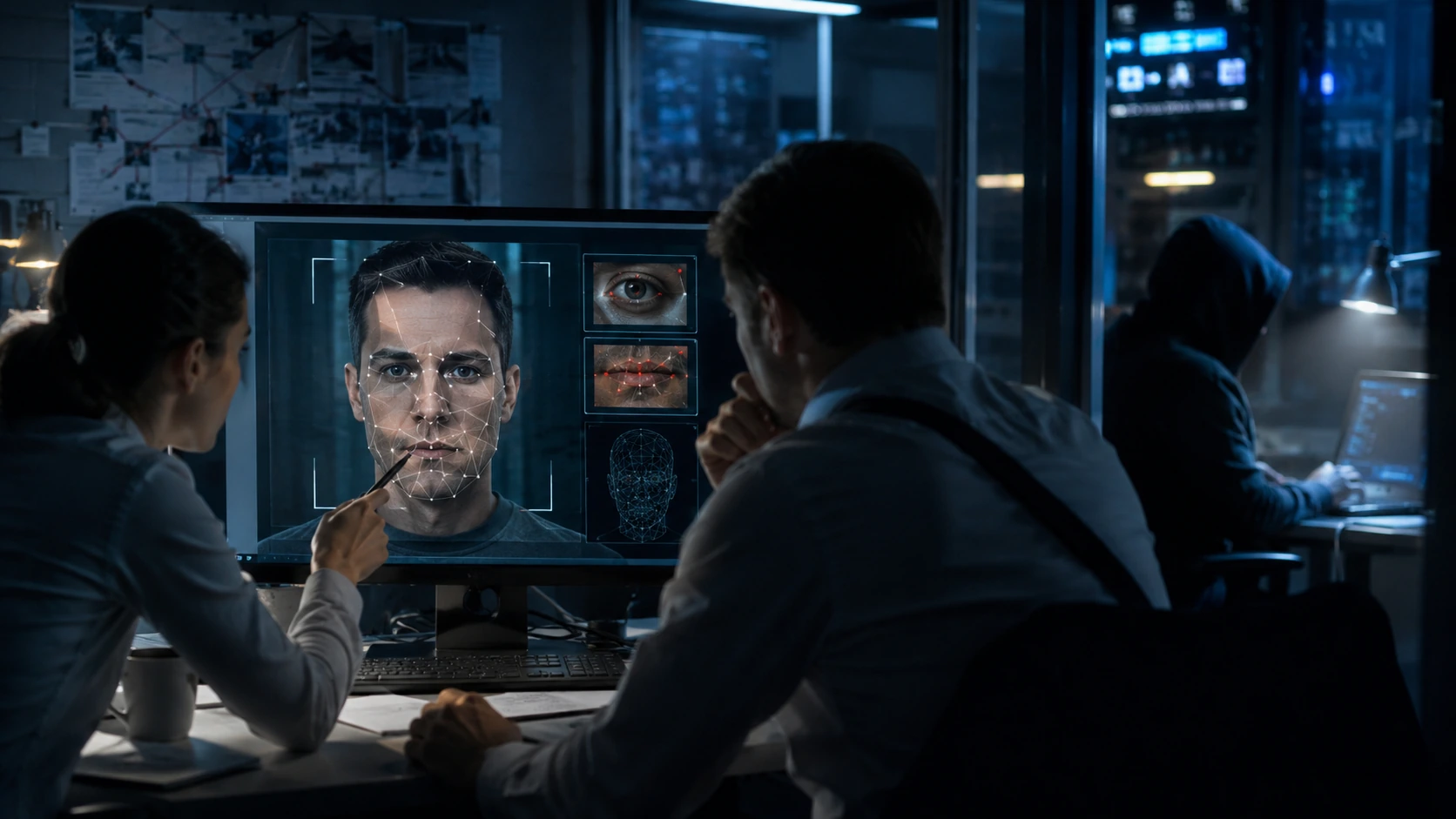
Synthetic media is changing the way investigators assess digital evidence. AI-generated videos, manipulated images, cloned voices, and other forms of altered media can make it harder to determine not only whether a piece of content is authentic, but also who created it, distributed it, or used it as part of an incident.
For investigators, these are two different questions. Deepfake detection can help assess whether digital media contains signs of manipulation or synthetic generation. Attribution requires a broader investigation that connects the media to people, accounts, devices, infrastructure, or other evidence.
This distinction is becoming increasingly important for Deepfake Detection for Law Enforcement, cybercrime units, digital forensic teams, and defense organizations dealing with synthetic media as potential evidence.
Quick Answer: How Can Synthetic Media Complicate Digital Evidence Attribution?
Synthetic media can complicate digital evidence attribution because the person shown or heard in a piece of media may have no connection to its creation or distribution. A deepfake may impersonate one individual while being generated by another person, uploaded through a separate account, and distributed through multiple platforms.
Deepfake detection can help investigators assess media authenticity, but determining who is responsible usually requires additional digital, contextual, and investigative evidence.
What Is Digital Evidence Attribution?
Digital evidence attribution is the process of determining who or what may be connected to the creation, modification, distribution, or use of digital evidence.
Depending on the investigation, attribution may involve establishing:
- Who created or modified a media file
- Which device processed or stored the content
- Which account uploaded or distributed it
- When the content first appeared
- How it moved between platforms or individuals
- Whether multiple people participated in the activity
- Whether other digital evidence connects the media to a particular actor
Attribution therefore goes beyond identifying what happened to a file. It attempts to establish the relationship between the evidence and the people, accounts, systems, or activities involved.
Is Evidence Authentication the Same as Attribution?
No. Authentication and attribution answer different investigative questions.
| Evidence Authentication | Evidence Attribution |
|---|---|
| Is the media genuine or manipulated? | Who may be responsible for creating or distributing it? |
| Does the file contain signs of synthetic generation? | Which account, device, or individual is connected to it? |
| Has the content been altered? | How did the content enter the investigation? |
| What technical changes may have occurred? | What evidence connects the media to an actor? |
A file may be identified as manipulated without revealing who manipulated it. Likewise, investigators may identify the account that distributed suspicious media without immediately knowing who originally created the synthetic content.
Why Does Synthetic Media Make Attribution More Difficult?
Synthetic media creates additional layers between the identity represented in digital content and the individuals actually responsible for producing or distributing it.
The Person Shown May Not Be the Person Responsible
Traditional video or audio evidence may appear to connect a visible or audible individual with an event. Deepfakes can weaken that assumption.
A synthetic video could imitate:
- A company executive
- A government official
- A suspect
- A witness
- A military official
- A victim
- A public figure
The presence of someone's face or voice in a digital file therefore does not necessarily establish that the individual participated in creating the content.
Investigators must separate represented identity from responsible identity.
Synthetic Media Can Separate Identity From Content Creation
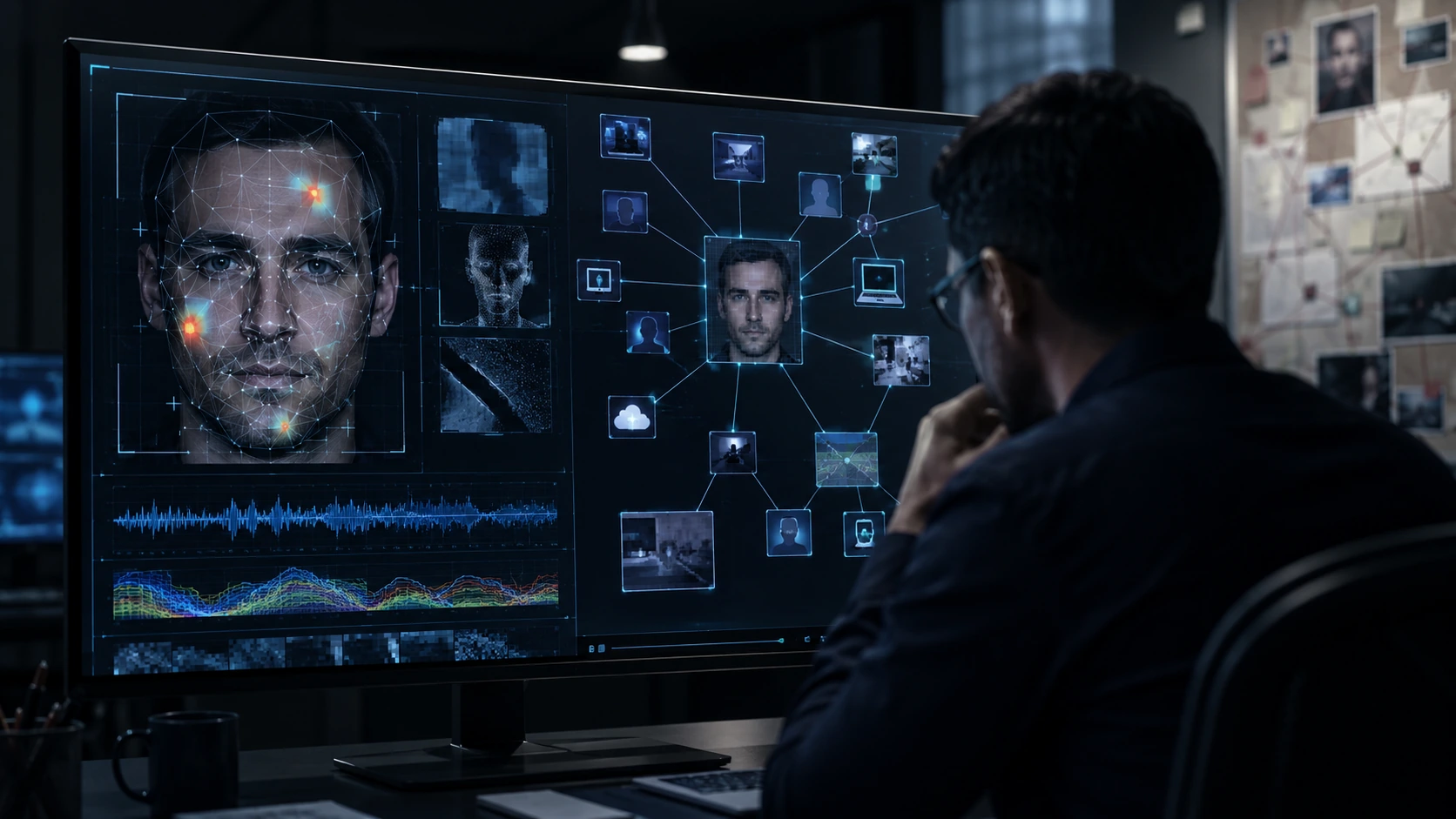
Modern synthetic media can allow one person's likeness to appear in content generated by someone else.
For example, an attacker could combine a synthetic face, cloned voice, fabricated background, and manipulated dialogue into a single video. The resulting media may depict one individual while providing little direct information about the person operating the tools used to generate it.
This makes attribution a multi-layered problem.
Investigators may need to identify:
Who is being impersonated → who generated the media → who controlled the distributing account → who communicated with the victim → who benefited from the activity.
Those roles may belong to different people.
Files May Lose Their Original Technical Context
Attribution can become even more difficult when investigators receive media that is no longer in its original form.
Digital content may have been:
- Downloaded from social media
- Forwarded through messaging platforms
- Screen-recorded
- Cropped
- Resized
- Re-encoded
- Converted into another file format
- Exported through editing software
- Repeatedly uploaded and downloaded
These transformations can modify or remove technical information that may otherwise help investigators understand the history of the file.
Whenever possible, preserving the earliest available version of suspicious media can provide investigators with a stronger starting point for analysis.
Multiple Actors May Participate in Distribution
Synthetic media campaigns do not necessarily involve a single creator and a single distributor.
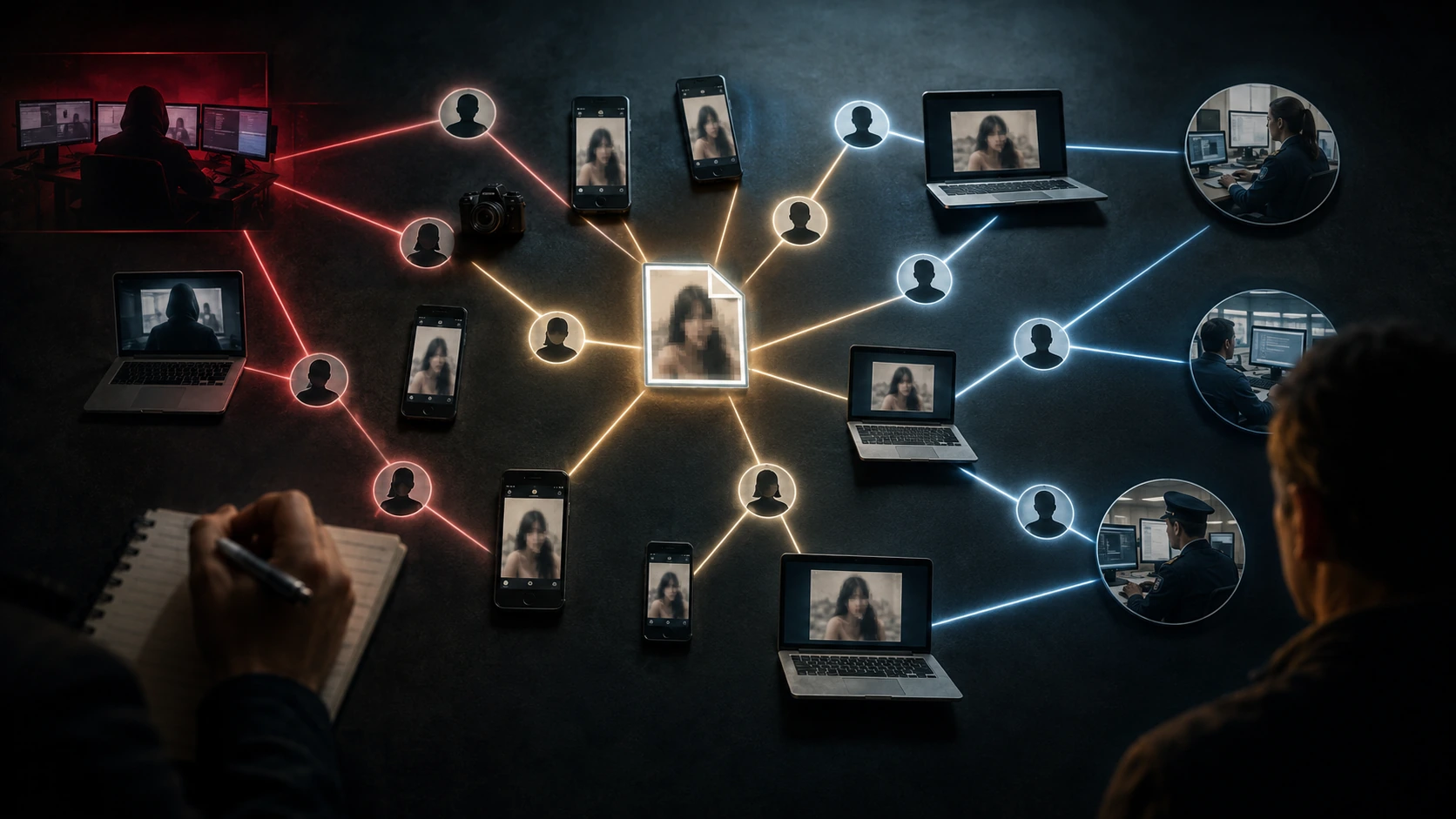
A piece of synthetic content might move through several stages:
Creator → intermediary → account operator → distribution network → victim
Someone may generate the media while another person controls the social-media account used to publish it. A third actor may then reuse the same media during fraud, extortion, or an impersonation campaign.
For investigators, identifying the synthetic nature of the media is therefore only one part of reconstructing what happened.
Why Is Deepfake Detection Important for Digital Evidence Attribution?
Deepfake detection can help investigators understand the technical characteristics of suspicious media before broader attribution work begins.
A multimodal analysis of suspicious digital media can help examine video, image, and audio evidence for indications that content may have been manipulated or synthetically generated.
These findings may help investigators determine:
- Whether additional forensic review is needed
- Whether the media should be treated as potentially manipulated
- Which portions of a recording deserve closer examination
- Whether video, image, or audio components appear suspicious
- What technical findings should be documented
However, an important limitation must remain clear:
Deepfake detection can support attribution investigations, but detection alone does not identify the person who created the media.
Attribution requires the technical findings to be considered alongside other investigative evidence.
How Can Deepfake Detection for Law Enforcement Support Evidence Investigations?
Law enforcement agencies increasingly encounter digital media from phones, CCTV systems, social networks, messaging platforms, online fraud investigations, and publicly available sources.
Deepfake Detection for Law Enforcement can provide another layer of examination when the authenticity of that media is uncertain.
Potential investigation scenarios include:
- Suspicious video evidence
- Manipulated witness material
- Synthetic impersonation recordings
- Fraudulent video calls
- Cloned voice messages
- Altered social-media content
- AI-generated images submitted as evidence
Using forensic deepfake verification for law enforcement agencies can help investigative teams assess whether suspicious media requires further forensic scrutiny.
The objective is not to replace investigators. It is to provide additional technical information that can be evaluated alongside the wider evidence in a case.
Why Do Law Enforcement Agencies Need to Separate Detection From Attribution?
Deepfake Detection for Law Enforcement Agencies is most useful when it forms part of a broader evidence workflow rather than being treated as a final attribution mechanism.
A practical investigation may involve:
Evidence intake → preservation → media verification → forensic analysis → contextual investigation → attribution → investigative conclusion
For example, detecting indications of manipulation in a video may establish that investigators should not treat the visible speaker as automatically genuine.
It does not by itself establish who produced the synthetic video.
Investigators may still need to examine accounts, devices, communication records, transaction information, platform data, network evidence, or other supporting material before drawing attribution conclusions.
How Does Deepfake Detection Support Cybercrime Investigation?
Synthetic media can appear in many types of cybercrime, including impersonation fraud, extortion, social engineering, fake executive communications, identity fraud, and manipulated evidence.
Deepfake Detection for Cybercrime Investigation can help cybercrime teams determine whether video, audio, or image material associated with an incident may have been artificially generated or manipulated.
For example, investigators examining an impersonation scam may encounter:
- A cloned executive voice
- A manipulated video call
- A fake identity image
- Fabricated supporting media
- Synthetic social-media profiles
- Edited screenshots or recordings
In these situations, deepfake analysis in cybercrime investigations can help establish whether the media itself requires further examination.
Investigators must then connect those findings to the wider cybercrime infrastructure and evidence surrounding the incident.
What Evidence Can Help Attribute Synthetic Media?
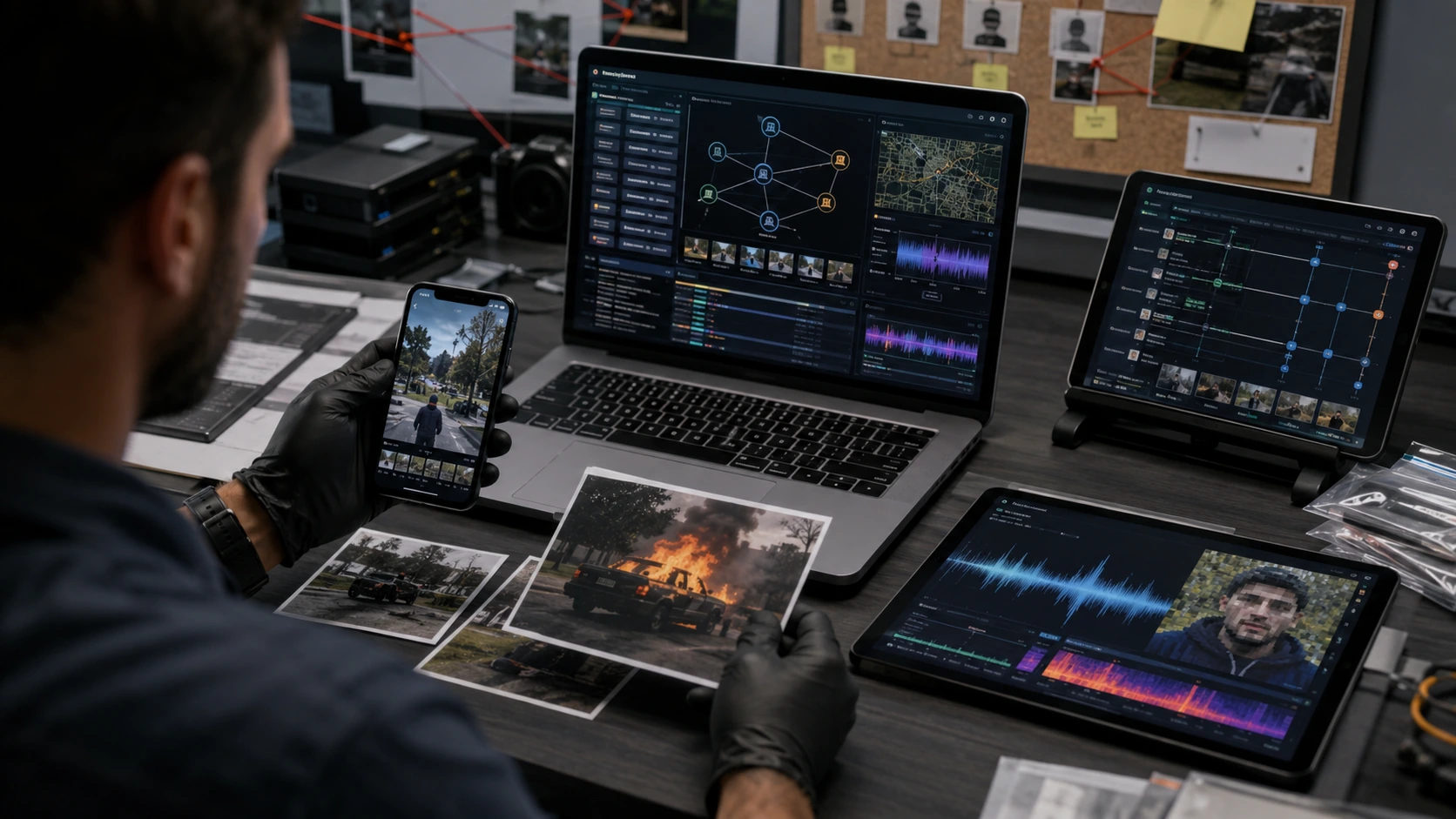
Attribution usually depends on combining multiple sources of evidence.
Original Media Files
The earliest available version of a file can preserve technical characteristics that may be altered during later sharing or conversion.
Investigators should therefore preserve original media whenever it is available.
File and Metadata Information
Metadata and file characteristics may provide information about:
- Creation and modification times
- File formats
- Encoding
- Editing history
- Software processing
- Device information
Metadata should be interpreted carefully because it may be missing, modified, or removed.
Account and Platform Records
Investigators may need to examine which accounts uploaded, shared, or communicated using synthetic content.
This can help distinguish the person depicted in the media from the accounts responsible for distributing it.
Device and Network Evidence
Devices used to store, edit, upload, or distribute synthetic media may contain evidence that supports attribution.
Depending on the investigation and lawful access available, additional network or system records may also provide contextual evidence.
Communication and Distribution Evidence
Messages, emails, account interactions, upload histories, and other communication records can help establish how suspicious media moved between people or systems.
Distribution history may be particularly important when several individuals participate in a campaign.
Corroborating Evidence
Attribution becomes stronger when technical media findings are supported by independent evidence.
Deepfake analysis should therefore be considered as one part of a larger evidentiary picture rather than as a standalone conclusion about responsibility.
Where Do Deepfake Detection Tools Fit Into a Law Enforcement Investigation?
Searches for deepfake detection tools law enforcement often focus on whether investigators can automatically determine if evidence is fake.
In practice, deepfake detection tools for law enforcement should support a structured forensic review rather than replace investigative judgment.
Capabilities that may be useful include:
- Video, image, and audio analysis
- Multimodal media examination
- Clear presentation of suspicious findings
- Explainable analysis results
- Confidence information
- Evidence-oriented reporting
- Analyst review
- Auditability
- Documentation of uncertainty
Investigators should also understand what a detection result does not establish.
A tool may indicate that media contains signs associated with manipulation or synthetic generation, but that finding alone should not be interpreted as proof that a particular suspect created it.
Why Does Synthetic Media Attribution Matter for Defense and Intelligence?
Synthetic media also creates attribution challenges beyond traditional criminal investigations.
Deepfake Detection for Defense may be relevant when defense and intelligence teams encounter suspicious:
- Battlefield footage
- Public statements
- Military communications
- Propaganda videos
- Open-source intelligence
- Images from conflict zones
- Voice communications attributed to officials
An adversary could create synthetic media that appears to originate from a military official or government representative and distribute it through unrelated infrastructure.
Using synthetic media verification for defence and public safety can help analysts assess whether suspicious media may have been manipulated before relying on it as authentic information.
Attribution, however, requires broader intelligence and investigative analysis.
Can Deepfake Detection Identify Who Created Synthetic Media?
Not by itself.
Deepfake detection is primarily concerned with assessing whether media contains evidence of manipulation or synthetic generation.
Creator attribution is a separate investigative task.
Determining who produced synthetic media may require examining:
- Source files
- Devices
- Accounts
- Platform records
- Communications
- Distribution patterns
- Network activity
- Other corroborating evidence
This distinction is particularly important when detection results are being considered as part of an investigation or evidentiary process.
What Should Investigators Document When Synthetic Media Is Suspected?
Consistent documentation can help preserve the investigative value of suspicious digital evidence.
Investigators may document:
- Where the media was obtained
- The original or earliest available file
- Date and time of collection
- File hashes where appropriate
- Known transfer history
- File characteristics
- Any transformations or conversions
- Analysis findings
- Areas identified for further review
- Uncertainty or limitations
- Connected accounts or devices
- Corroborating evidence
- Analyst conclusions
A documented suspected deepfake video investigation workflow can help separate evidence preservation and technical examination from later attribution decisions.
The same principle applies to authentication and attribution of manipulated images: identifying that digital media has been altered is different from establishing who was responsible for creating or distributing it.
Conclusion
Synthetic media can complicate digital evidence attribution by separating the identity shown in a piece of content from the individual responsible for producing or distributing it.
Deepfake detection can help investigators determine whether video, audio, or image evidence may have been manipulated or artificially generated. Attribution requires a broader examination of accounts, devices, communications, distribution history, technical evidence, and other investigative information.
For law enforcement, cybercrime investigators, defense teams, and digital forensic professionals, the distinction is fundamental:
Media verification helps answer what happened to the content. Attribution investigates who may be connected to what happened.
Frequently Asked Questions
Frequently Asked Questions
Ready to experience & accerlate your Investigations?
Experience the speed, simplicity, and power of our AI-powered Investiagtion platform.
Tell us a bit about your environment & requirements, and we’ll set up a demo to showcase our technology.