
AI Deepfake Detection in India: Tools, Technologies, Challenges and Future
What Is AI Deepfake Detection in India?
AI deepfake detection in India is the process of using artificial intelligence, computer vision, audio forensics, and multimodal media analysis to identify manipulated videos, AI-generated images, synthetic voices, face swaps, and impersonation attempts. It helps organizations answer one critical question: Can this media be trusted?
As India becomes more digital across banking, governance, social media, public communication, law enforcement, and online identity verification, deepfake detection is becoming a key layer of digital trust. It is no longer only a cybersecurity concern. It is now relevant for police departments, digital forensics labs, banks, fintech companies, enterprises, media organizations, and public-sector institutions.
For organizations that review sensitive digital evidence, an AI-powered deepfake detection platform helps examine videos, images, and audio with greater speed and consistency before teams take action.
Why Deepfake Detection Matters in India
India has one of the world's largest digital populations. Across India, mobile apps and digital platforms are now used every day for messaging, payments, online identity checks, news consumption, business communication, entertainment, and public discussion. This creates a powerful digital ecosystem, but it also increases the risk of synthetic media misuse.
Deepfakes can appear in many forms. A fake video can imitate a public figure. A cloned voice can sound like a family member, company executive, or trusted official. A manipulated image can be used for identity fraud. A synthetic endorsement can promote a fake investment scheme. A fake video call can be used for social engineering.
The real danger is not only that the content is fake. The bigger risk is that people may believe it and act on it before verification. This is especially important in India because digital trust is connected to several high-impact areas: digital payments and financial security, video KYC and identity verification, cybercrime investigation, public communication and misinformation control, corporate fraud prevention, media verification, digital evidence authentication, and national security and public safety.
For media organizations and public communication teams,deepfake detection for media and public trust in India is becoming essential because manipulated content can damage reputation, create panic, or mislead people before the truth is verified.
Deepfake Detection Tools in India: What Should They Do?
A deepfake detection tool should not work like a simple "fake or real" scanner. In real investigations, financial fraud cases, enterprise security workflows, and media verification processes, teams need more than a basic result.
A useful deepfake detection tool should help users understand: whether a video shows signs of facial manipulation, whether an image has AI-generated or altered regions, whether an audio clip contains synthetic voice patterns, whether lip movement and speech are mismatched, whether frame-level artifacts are present, whether lighting, shadows, skin texture, and motion look inconsistent, and whether the content can be documented in a forensic-style report.
The best tools are multimodal. This means they can analyze video, image, and audio together. This matters because modern deepfakes are often not limited to one format. A manipulated video may include a cloned voice. A fake identity attempt may include both a face-swapped image and synthetic video. In some fraud scenarios, attackers may pair a cloned voice with manipulated images or videos to make the deception appear more believable.
For high-risk organizations, a multimodal deepfake detection solution gives stronger insight because it examines multiple layers of evidence instead of depending on one signal.
Core Technologies Behind AI Deepfake Detection
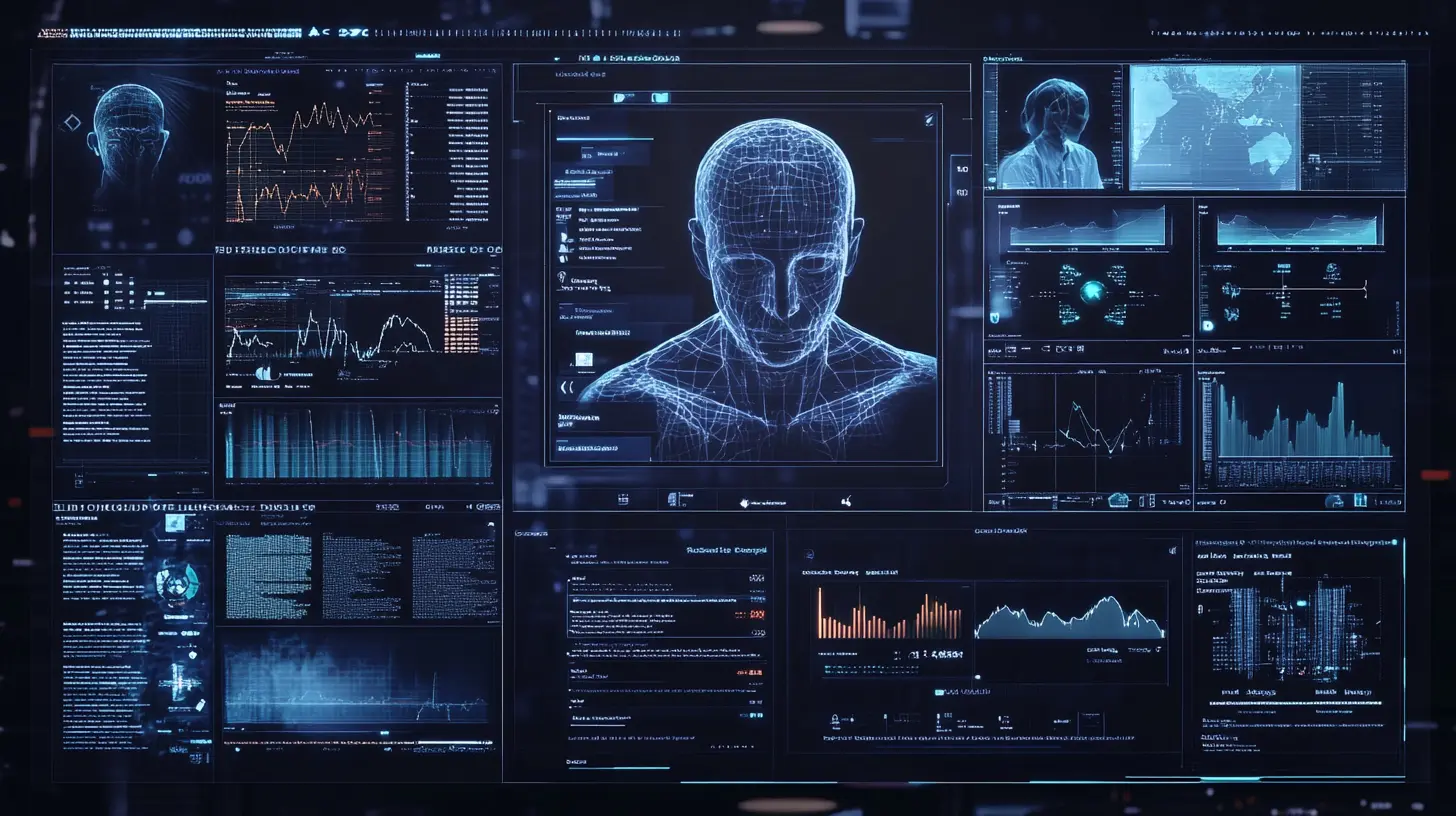
AI deepfake detection uses a combination of machine learning, computer vision, audio analysis, signal processing, and forensic media techniques. The purpose is not only to detect suspicious content but also to explain why the content may be suspicious.
1. Computer Vision for Video Deepfake Detection
Video deepfakes often manipulate facial expressions, lip movement, head pose, eye movement, skin texture, or facial boundaries. These changes may not be visible to the human eye, especially when the video is short, compressed, or shared through social media.
AI-based video analysis can examine the content frame by frame and across time. A strong video deepfake detection technology may look for lip-sync mismatch, facial boundary blending, unnatural eye movement, temporal flickering, skin texture inconsistency, lighting and shadow mismatch, head movement anomalies, and frame-to-frame manipulation artifacts.
This matters because a deepfake may look normal when viewed frame by frame. Signs of manipulation often become clearer only when AI examines facial movement, expressions, lighting behavior, and consistency across the full video sequence.
2. Audio Forensics and Voice Clone Detection
Audio deepfakes are becoming a serious concern because voice is still treated as a trusted identity signal. People often believe a voice call because it sounds familiar. Fraudsters can use AI voice cloning to imitate a relative, colleague, senior official, executive, or customer.
A reliable audio deepfake detection technology may analyze voice consistency, speaker identity signals, spectral patterns, synthetic speech artifacts, tone and emotion mismatch, background noise inconsistency, audio compression anomalies, and voice cloning indicators.
Audio deepfake detection is especially important for financial fraud, executive impersonation, fake emergency calls, cybercrime complaints, extortion attempts, and sensitive investigation workflows.
3. Image Deepfake and Face Manipulation Detection
Image deepfakes include AI-generated portraits, morphed photos, fake profile pictures, manipulated identity documents, synthetic faces, and face swaps. These can be used in fake social media accounts, digital onboarding fraud, KYC manipulation, harassment, public misinformation, and reputation attacks.
A strong image deepfake detection technology can help identify face swap signs, AI-generated facial patterns, blending artifacts, texture inconsistency, unnatural reflections, manipulated identity regions, compression differences, and metadata inconsistencies.
Image verification is highly relevant for banks, fintech platforms, law enforcement agencies, cyber cells, forensic labs, enterprises, and media verification teams.
4. Multimodal Detection
The future of deepfake detection is multimodal. Instead of analyzing video, audio, and image files separately, multimodal detection connects the signals across different formats. For example, a video may look visually natural, but the audio may show signs of synthetic voice generation. An image may appear realistic, but texture patterns or metadata may suggest manipulation. Multimodal detection helps reduce false confidence by checking multiple layers of media evidence together.
Major Deepfake Challenges in India
Deepfake detection in India faces unique challenges because of the country's scale, language diversity, digital adoption, social media usage, and increasing dependence on remote identity verification.
Viral Spread Happens Faster Than Verification
Fake videos, morphed images, and synthetic audio clips can spread rapidly through messaging platforms, short-video apps, social media channels, and community groups. By the time official clarification is available, the content may have already influenced public opinion or caused reputational harm.
Voice Cloning Exploits Personal Trust
Voice scams are dangerous because they use emotion and urgency. A victim may receive a call that sounds like a family member, business contact, company executive, or senior officer. Publicly reported cases in India have shown how fraudsters allegedly used AI-generated voices to impersonate trusted contacts and convince victims to transfer money.
KYC and Identity Fraud Risks Are Increasing
India's digital economy depends heavily on identity verification. Banks, fintech companies, telecom providers, and online platforms use digital onboarding and video KYC workflows. Deepfakes can create risk in these environments through face swaps, synthetic identities, manipulated profile images, and fake video interactions.
This is why understanding how deepfakes affect digital KYC verification is important for India’s financial and digital identity ecosystem.
Digital Evidence Verification Is Becoming Harder
Law enforcement agencies and digital forensics labs increasingly handle videos, images, audio recordings, CCTV footage, call recordings, and social media content as part of investigations. If any of this evidence is manipulated, the investigation can be misled.
Deepfake detection helps investigators assess whether a media file is authentic, altered, or suspicious. It also supports structured reporting, case documentation, and evidence review. For deeper understanding, teams can explorehow digital forensics labs analyze deepfake evidence.
Safety Note: Reported Deepfake Scam Patterns in India
Deepfake-related risks in India are no longer limited to viral fake videos or public misinformation. Publicly reported incidents have shown that AI-generated voices, fake endorsement content, manipulated images, and synthetic investment promotions can be used in scam attempts.
In some reported cases, fraudsters allegedly used AI-generated voices to impersonate relatives, trusted contacts, or people living abroad. Victims were made to believe that the caller was someone they knew and were pressured into sending money quickly. Other reported incidents involved fake investment promotions where manipulated videos or synthetic endorsements were allegedly used to create false trust.
These examples show why deepfake detection in India must cover more than visual media. It must address voice cloning, fake investment promotions, identity manipulation, synthetic endorsements, face swaps, KYC fraud, social engineering, public misinformation, and corporate impersonation.
The safer approach is to treat suspicious media as a verification problem before acting on it. If a video, image, or voice message creates urgency, asks for money, requests confidential data, or affects reputation, it should be verified before action is taken.
Types of Deepfake Threats Seen Across India
| Deepfake Type | Risk Area | Example Scenario |
|---|---|---|
| Video deepfakes | Public trust, politics, fraud, evidence manipulation | Fake speech, manipulated CCTV-style content, fake endorsement |
| Audio deepfakes | Voice cloning, extortion, executive fraud | Fake urgent call from a family member or senior official |
| Image deepfakes | Identity fraud, harassment, fake profiles | Face swap, morphed image, synthetic profile photo |
| Synthetic identity fraud | KYC, fintech, banking | Fake applicant or manipulated video onboarding |
| Social media deepfakes | Misinformation and reputation risk | Viral fake post or edited public figure video |
| Corporate deepfakes | Enterprise security | Fake video call, CEO voice fraud, brand impersonation |
Face manipulation is one of the most common synthetic media risks because it directly affects identity trust. Organizations should understand how AI face swap detection works in digital forensics to improve their ability to identify manipulated identity media.
Deepfake Detection Use Cases in India
Law Enforcement and Cyber Cells
Law enforcement teams need deepfake detection for cybercrime complaints, fake video investigations, digital evidence review, voice cloning fraud, public misinformation cases, and social media monitoring. AI-based analysis can help investigators identify suspicious indicators and prepare clearer case documentation.
Digital Forensics Labs
Digital forensics labs need tools that support structured analysis, repeatable workflows, forensic-style reporting, and case-level documentation. In forensic environments, deepfake detection must be explainable and reviewable.
Banking, Fintech, and KYC Teams
Banks and fintech companies face deepfake risks in video KYC, remote onboarding, customer verification, and fraud investigation. A synthetic identity can be created using a manipulated face, fake document, AI-generated profile, or deepfake video.
For financial organizations, deepfake detection for Indian financial institutions can support fraud prevention by identifying suspicious media before it enters a trusted workflow.
Cybersecurity Teams
Deepfakes are now part of the cybersecurity threat landscape. Attackers may use synthetic media for phishing, social engineering, executive impersonation, blackmail, fake identity creation, and brand abuse.
This makes deepfake detection for cybersecurity in India an important capability for security operations.
Enterprises and Corporate Security
Enterprises face risks from fake executive videos, cloned voice instructions, impersonation during calls, fraudulent approvals, fake announcements, and reputational attacks. Deepfake protection should become part of corporate risk management, especially for leadership communication, finance approvals, legal workflows, investor communication, and public relations.
Organizations can use guidance on how organizations can prepare for deepfake threats to build stronger internal readiness.
Media and Public Trust Teams
Media organizations need verification before publishing sensitive content. Public trust teams need to confirm whether viral media is authentic before responding. A single manipulated clip can create confusion, reputational harm, or public panic if it spreads without verification.
What Makes a Deepfake Detection Tool Reliable?
A reliable deepfake detection tool should combine accuracy, explainability, and forensic readiness. It should not simply show a score without context. Decision-makers need to understand why a file is suspicious and which indicators were detected.
Important capabilities include: video, audio, and image analysis; multimodal detection; confidence scoring; explainable forensic indicators; frame-level analysis; signal-level audio analysis; image manipulation detection; report generation; case documentation; secure evidence handling; audit trail support; and deployment flexibility for sensitive environments.
Challenges in Building Deepfake Detection Technology
Deepfake detection is difficult because deepfake generation technology is improving quickly. Detection systems must continuously adapt to new manipulation methods, new AI models, and changing attack patterns.
Low-Quality or Compressed Media
Many deepfakes circulate through messaging apps and social media platforms. Compression can remove important forensic signals, making detection harder.
Rapidly Improving Generative AI
As generative AI improves, synthetic faces, voices, and videos become more realistic. Detection models need to evolve continuously because older detection methods may not catch newer manipulation techniques.
Separate Manipulation of Audio and Video
A fake video may use real audio. A real video may be paired with synthetic audio. This is why multimodal detection is more useful than analyzing one signal alone.
Language and Accent Diversity
India's linguistic diversity makes audio deepfake detection more complex. Voice cloning risks can vary across languages, accents, dialects, speaking styles, and recording environments.
Human Review Is Still Important
AI detection should support human decision-making, not replace it completely. Forensic experts, investigators, compliance officers, editors, and security teams still need context, judgment, and case-level understanding.
Future of Deepfake Detection in India
The future of deepfake detection in India will move toward faster, more integrated, and more forensic-ready systems. As synthetic media becomes more realistic, verification will become a routine part of digital operations.
AI-Assisted Evidence Verification
Cyber cells and forensic labs will need AI systems that can quickly triage large volumes of video, image, and audio evidence.
Deepfake Detection in KYC Workflows
Banks, fintech platforms, telecom companies, and digital identity providers may increasingly integrate deepfake detection into onboarding and customer verification workflows.
Enterprise Deepfake Protection
Organizations will need systems and policies to verify leadership communication, sensitive video calls, financial instructions, and investor-facing content.
Media Authenticity Workflows
Newsrooms, public agencies, and communication teams will need verification workflows before amplifying sensitive content.
Forensic-Grade AI Platforms
The market will move beyond basic deepfake detectors toward forensic-grade AI platforms that provide explainable indicators, case documentation, secure workflows, and multimodal analysis.
How DeepGaze Supports AI Deepfake Detection
DeepGaze by PaladinAi is designed as an AI-powered deepfake detection platform for video, audio, and image analysis. It supports media authenticity workflows by helping users identify signs of synthetic media, manipulation, and impersonation.
For Indian organizations, DeepGaze can support use cases across law enforcement, digital forensics, cybersecurity, financial security, corporate protection, and media verification. Its value lies in combining multimodal analysis with forensic-style reporting so teams can move beyond surface-level detection and understand the indicators behind suspicious content.
Rather than treating deepfake detection as a single upload-and-result process, DeepGaze supports a broader trust workflow: analyze the file, identify manipulation signals, document findings, and support better decision-making.
Conclusion
AI deepfake detection in India is becoming a critical part of digital trust. The challenge is no longer limited to identifying fake viral videos. It now includes voice cloning, identity fraud, fake investment promotions, manipulated images, synthetic media scams, and digital evidence risks.
India needs deepfake detection tools that are technical, explainable, forensic-ready, and scalable across industries. For law enforcement, BFSI, enterprises, cybersecurity teams, media organizations, and public-sector institutions, the future will depend on faster verification, stronger evidence workflows, and AI-powered authenticity analysis.
Deepfake detection is not just about detecting what is fake. It is about protecting trust in a digital India.
Frequently Asked Questions
Ready to experience & accerlate your Investigations?
Experience the speed, simplicity, and power of our AI-powered Investiagtion platform.
Tell us a bit about your environment & requirements, and we’ll set up a demo to showcase our technology.