
Deepfake Presentation Attacks vs. Injection Attacks: How Are They Different?
Deepfakes are becoming increasingly relevant to digital identity, remote verification, authentication, and other workflows that depend on cameras or biometric media. However, creating synthetic or manipulated content is only one part of the attack. Another important question is how that content reaches the system.
Two terms frequently used in this context are deepfake presentation attack and deepfake injection attack. Although both can involve AI-generated or manipulated media, they describe different ways of delivering that media to a verification system.
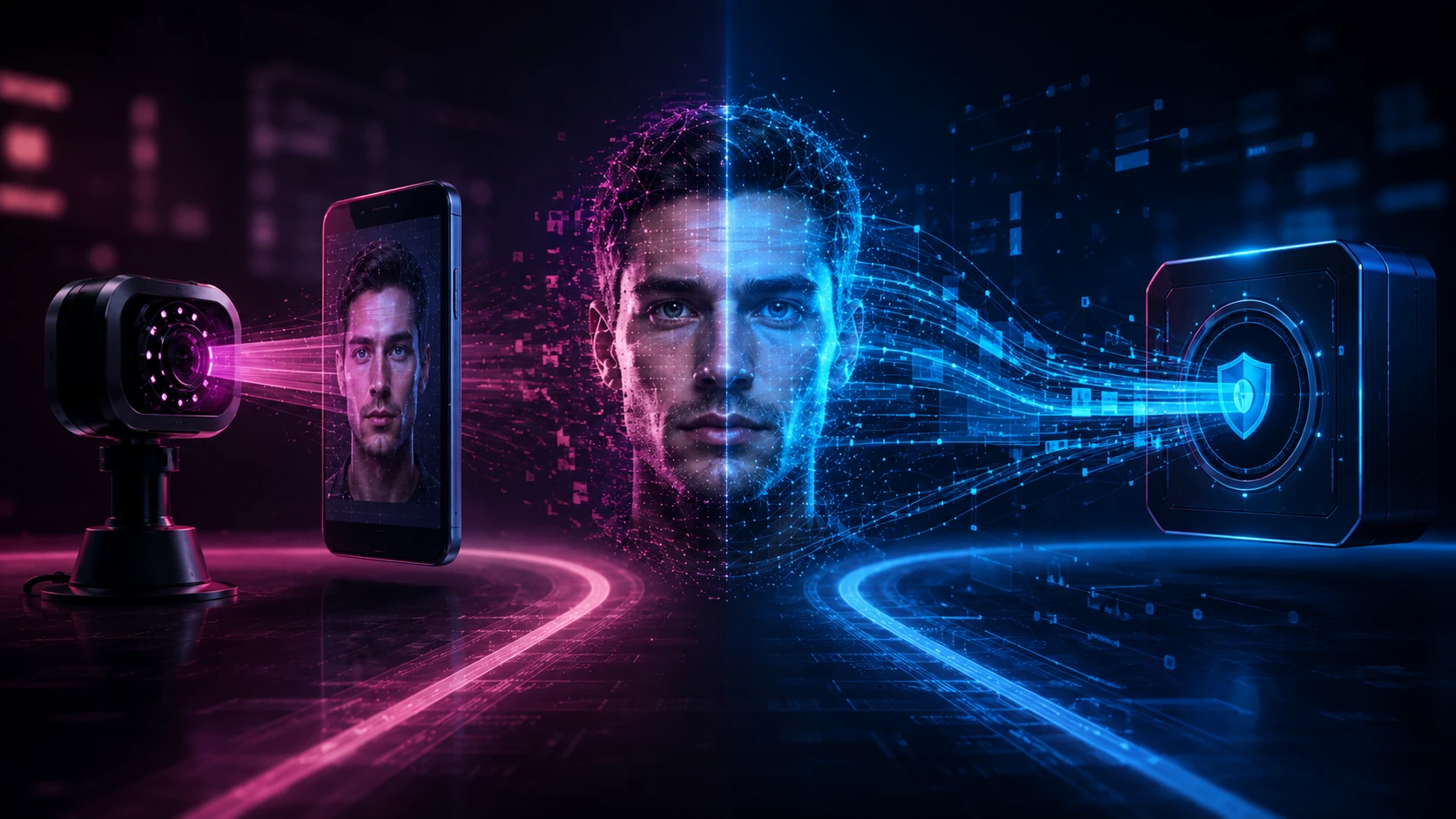
A deepfake presentation attack generally delivers manipulated content through the expected physical capture process, such as a camera or sensor. A deepfake injection attack, in contrast, introduces digital media directly into the capture or application pipeline, potentially bypassing normal physical capture.
Understanding this distinction helps organizations separate two different security questions: How did the media enter the workflow, and is the media itself authentic?
What Is a Deepfake Presentation Attack?
A deepfake presentation attack occurs when synthetic or manipulated media is presented to a biometric capture device, such as a camera, as part of an attempt to influence the verification process. The physical capture channel remains involved because the camera or sensor still receives what appears in front of it.
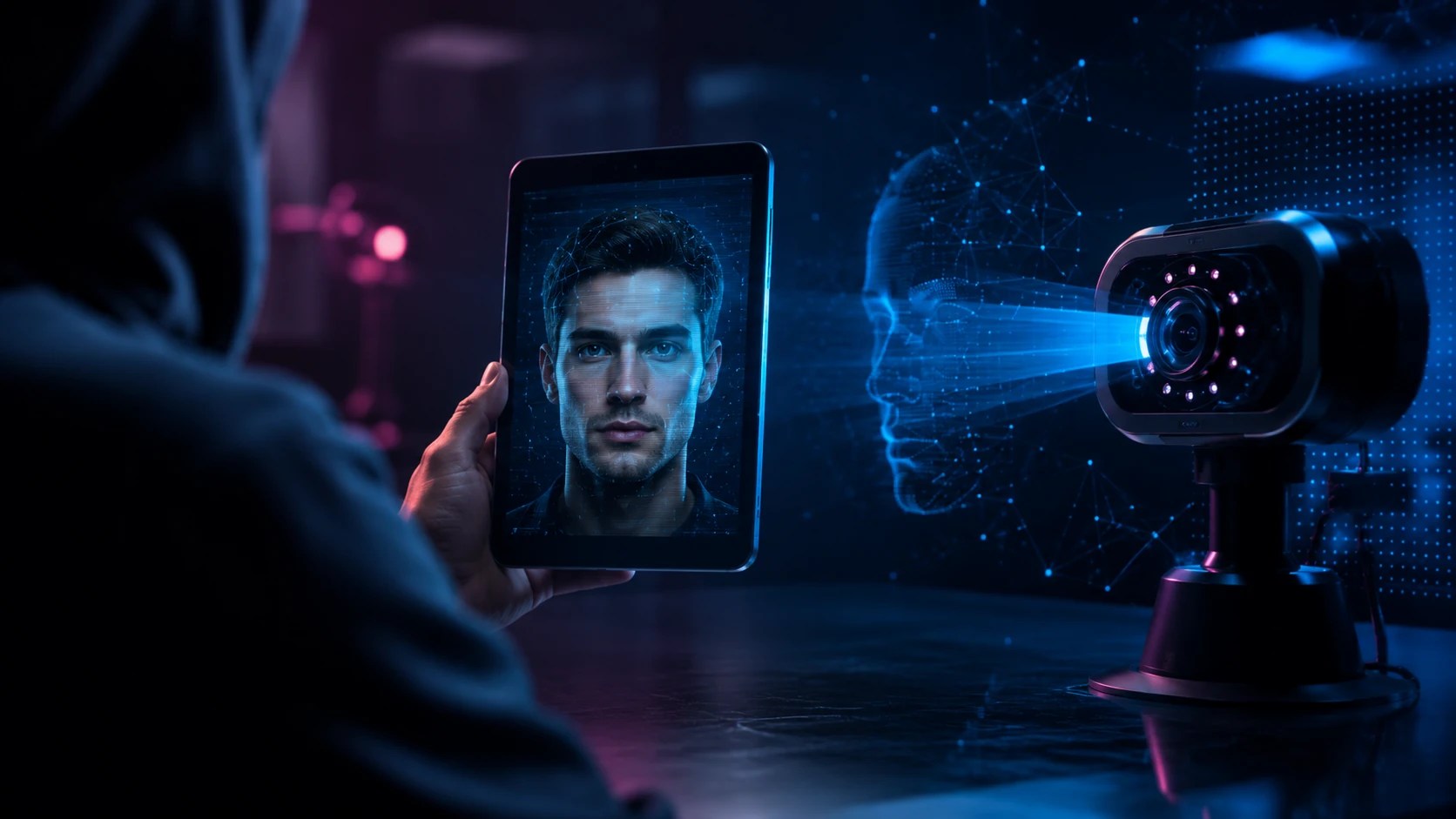
For example, manipulated facial media could be displayed on another device and then shown to a camera during a remote verification process. From the application's perspective, the media is still arriving through its normal capture channel.
The basic path can be represented as:
Synthetic or manipulated media → display or physical medium → camera or sensor → verification system
Deepfakes are only one possible element of a presentation attack. Presentation attacks can also involve photographs, replayed videos, masks, altered appearances, or other spoofing techniques. Therefore, a presentation attack should not automatically be described as a deepfake attack.
How Does a Presentation Attack Reach the Verification System?
The defining characteristic is interaction with the expected capture mechanism.
The attacker does not necessarily need to replace the digital input channel. Instead, suspicious media or another presentation artifact is placed in front of the camera or biometric sensor.
This makes the security of the physical capture process important. Presentation attack detection may examine whether the system is interacting with an authentic live subject rather than a photograph, replay, display, mask, or other presentation artifact.
What Is a Deepfake Injection Attack?
A deepfake injection attack occurs when synthetic, manipulated, or otherwise untrusted digital media is introduced directly into a digital capture or verification workflow instead of reaching the system through the expected physical capture process.
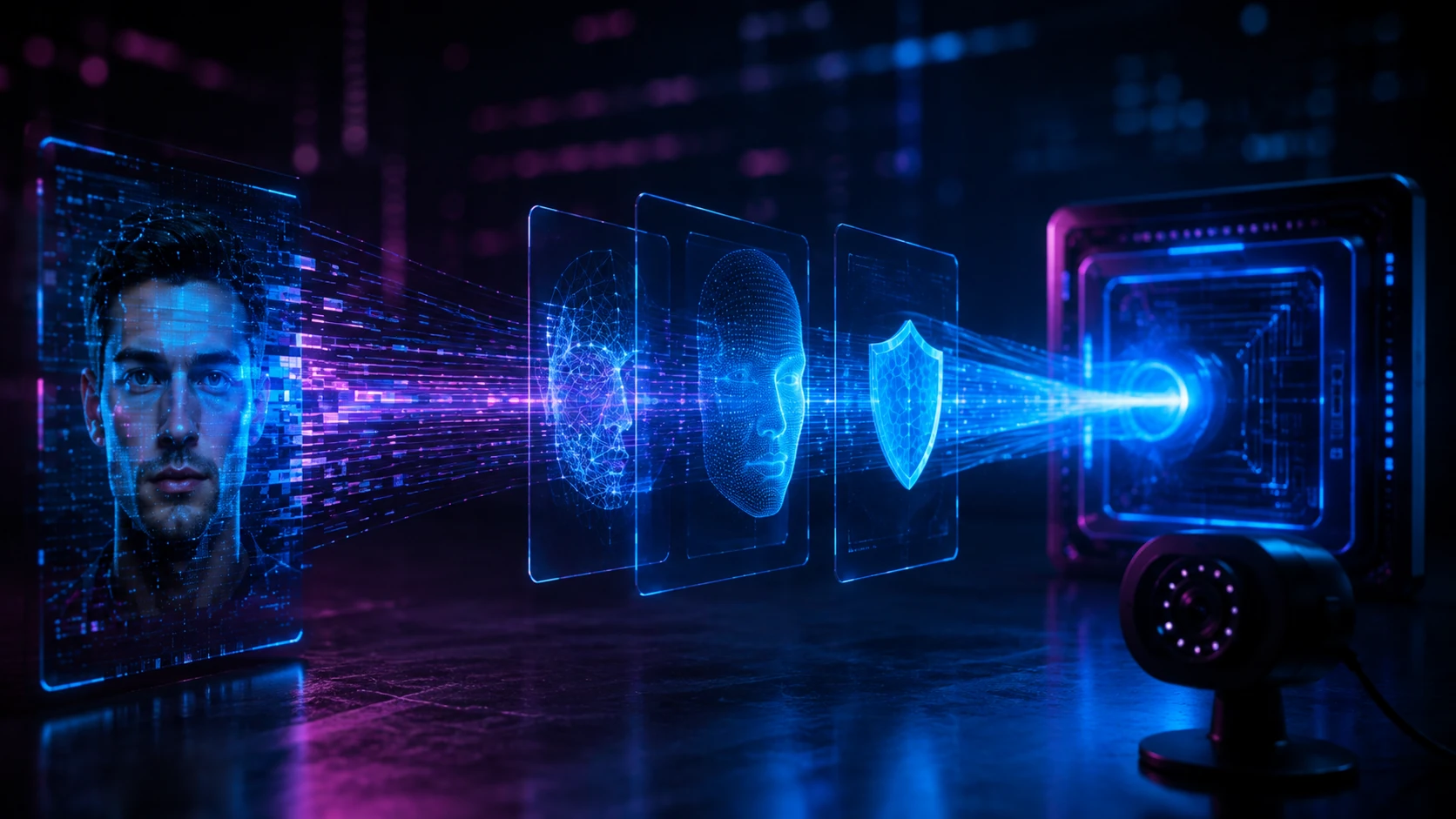
The media may therefore enter the application after bypassing or altering the normal camera-input path.
A simplified flow is:
Synthetic or manipulated media → digital input → capture or application pipeline → verification system
The content used in a deepfake injection attack could include a pre-generated synthetic video, manipulated facial footage, altered digital media, or another artificial representation.
The important point is that injection describes the delivery method. It does not automatically describe the authenticity of the content.
An injected video might be AI-generated, conventionally edited, replayed, or even authentic media used in an unauthorized context. This is why injection attack detection and analyzing synthetic or manipulated media address related but different questions.
Presentation Attack vs. Injection Attack: What Is the Difference?
The main difference between a presentation attack vs. injection attack is how the suspicious media reaches the verification system.
A presentation attack normally interacts with the physical capture process. An injection attack introduces media through the digital input or processing pathway and may bypass the physical camera or sensor.
| Factor | Presentation Attack | Injection Attack |
|---|---|---|
| Primary delivery route | Physical capture process | Digital capture or application pipeline |
| Camera or sensor | Normally involved | May be bypassed |
| Deepfake usage | Synthetic media may be presented to a camera | Synthetic media may be supplied digitally |
| Main attack surface | Interaction with capture device | Digital media-input pathway |
| Physical artifact required | May be involved | Not necessarily |
| Media authenticity concern | Possible | Possible |
| Relevant controls | Presentation attack detection and media analysis | Injection attack detection and media analysis |
The distinction is important because detecting a suspicious presentation does not necessarily establish whether the underlying content is AI-generated. Similarly, identifying manipulated media does not automatically reveal whether it entered the workflow through a camera or through digital injection.
How Are Deepfakes Used in Presentation Attacks?
Deepfakes can provide attackers with realistic-looking synthetic content that may be presented to a camera or verification system.
Different forms of manipulated media can potentially be involved.
AI-Generated Faces
Generative AI can produce realistic human faces that do not represent a genuine person appearing in front of the camera. Such content can become part of a broader presentation attempt when displayed to a physical capture device.
Face Swaps
A face swap replaces or modifies facial identity within an image or video. If face-swapped media is displayed to a camera, it can become part of a presentation attack.
Determining whether the facial content itself has been altered is a different forensic question. In relevant cases, investigators may use face swap analysis in digital forensics to examine signs of synthetic facial manipulation.
Face Reenactment
AI-based facial reenactment can modify expressions, mouth movements, or other facial behavior while preserving elements of the original identity. Such manipulated video could also be presented through a physical display.
Manipulated Video
Deepfakes are not limited to replacing an entire face. A video may contain synthetic or altered visual elements designed to make the subject appear to perform actions that did not occur in the original recording.
These examples demonstrate why the method used to create suspicious media and the method used to deliver it should be considered separately.
How Are Deepfakes Used in Injection Attacks?
A deepfake injection attack removes the need to physically display the manipulated media to the expected camera in the same way as a traditional presentation attack.
Instead, synthetic content may be supplied through a digital input pathway.
Possible forms of media involved can include:
- Pre-generated synthetic video
- AI-manipulated facial footage
- Face-swapped video
- Artificial identity media
- Altered digital video streams
- Other digitally manipulated image or video content
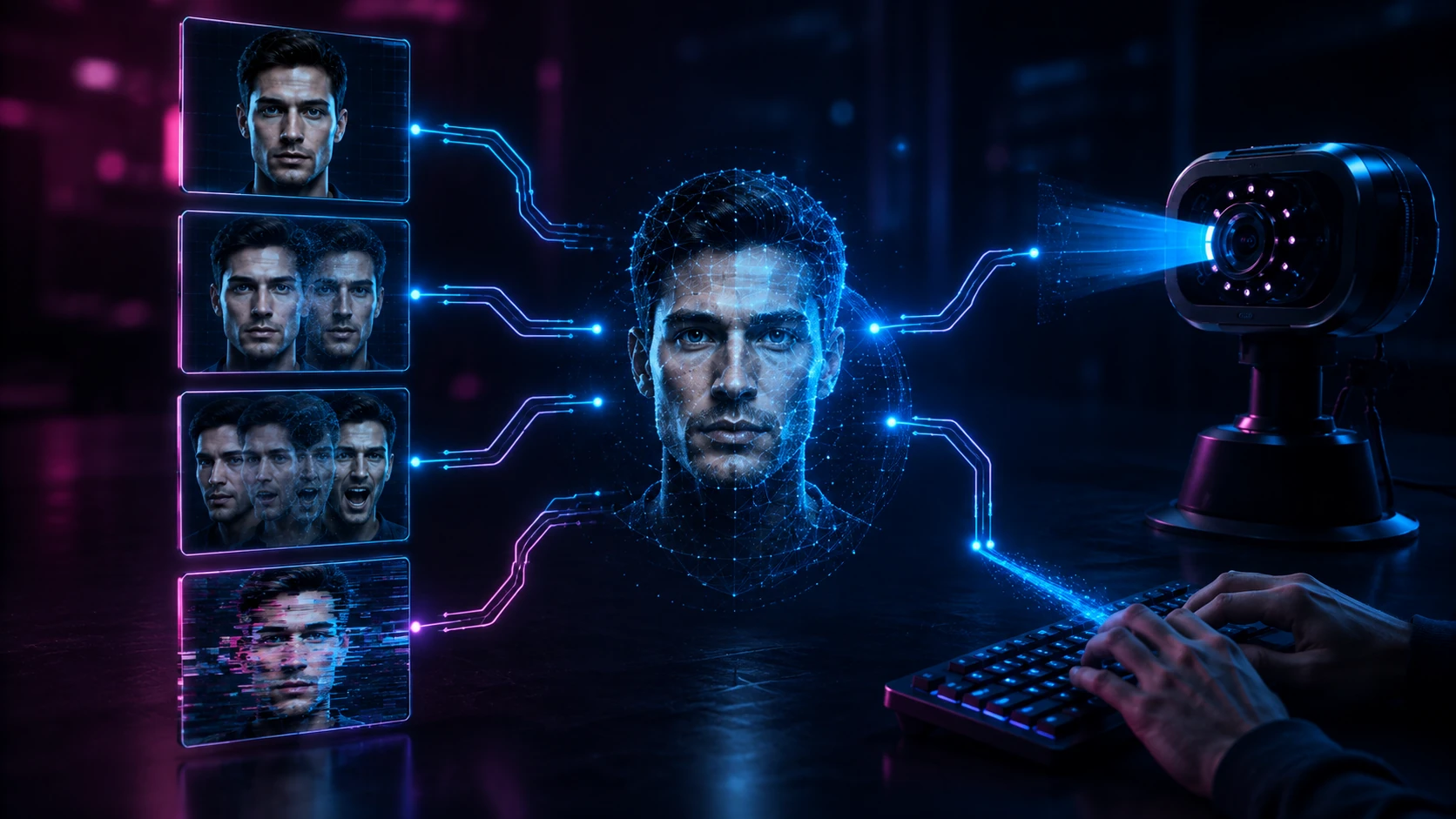
This creates two separate questions for a security or verification workflow.
First:
Did the media arrive through the expected capture process?
Second:
Is the media itself authentic or manipulated?
Injection attack detection primarily addresses the first question. Deepfake analysis addresses the second.
This distinction is particularly important because an injected file does not have to be a deepfake, while a deepfake does not have to be injected.
Are Deepfake Detection and Presentation Attack Detection the Same?
No. Deepfake detection and presentation attack detection address different aspects of the problem.
Presentation attack detection focuses on identifying attempts to interfere with a biometric capture process using photographs, replayed videos, displays, masks, synthetic media, or other presentation artifacts.
Deepfake detection, however, focuses on determining whether digital media shows evidence of AI generation or manipulation.
The two approaches can therefore complement each other.
A system might need to determine whether a real person is physically present at the point of capture while also assessing whether the submitted visual or audio content contains synthetic manipulation.
This distinction is also important when considering the difference between media authenticity and identity verification. Confirming who a person is and determining whether a piece of media has been manipulated are related, but they are not identical security questions.
Does Injection Attack Detection Serve the Same Purpose as Deepfake Detection?
No. Injection attack detection focuses on the integrity of the media-input pathway, while deepfake detection focuses on the authenticity of the media itself.
An injection attack may involve deepfake content, but it can also involve other forms of untrusted or unauthorized media.
Likewise, deepfake media can reach a system without being digitally injected. It could instead be presented through a screen, replayed through the expected physical capture path, distributed as a standalone file, or encountered during an investigation.
Therefore:
Injection attack detection asks how the media entered the system.
Deepfake detection asks whether the media itself contains signs of synthetic generation or manipulation.
Treating these two problems as identical can leave gaps in how organizations understand digital-media risk.
Can a Deepfake Be Used in Both Presentation and Injection Attacks?
Yes. The same type of synthetic media can potentially be involved in either attack method. The difference is the delivery path.
In a presentation scenario:
Deepfake media → display/device → camera → verification system
In an injection scenario:
Deepfake media → digital input → application or capture pipeline → verification system
This means the term “deepfake” describes the manipulated or synthetic content, while “presentation” and “injection” describe how that content interacts with the target system.
Keeping these concepts separate makes it easier to evaluate which security controls address each stage of the workflow.
Why Are Deepfake Injection Attacks Important for Digital Identity Verification?
Digital identity verification increasingly depends on remotely captured images, video, identity documents, and biometric information. This creates several points where organizations may need to consider both media authenticity and capture integrity.
Digital KYC and Remote Onboarding
Banks and financial institutions frequently use remote identity workflows that combine documents, photographs, selfies, video, or biometric comparisons.
As synthetic media becomes easier to create, organizations need to consider synthetic media risks in KYC workflows alongside other identity-fraud controls.
Banking and Financial Services
Financial workflows may involve remote customer verification, account recovery, profile changes, and other identity-dependent processes. Manipulated or improperly supplied media can create additional verification challenges in these environments.
Enterprise Authentication
Organizations increasingly support remote employees, contractors, customers, and privileged users. Where visual or biometric verification is involved, understanding both the authenticity of the media and integrity of the capture process can become relevant.
Government Digital Services
Citizen-facing digital services can also rely on remote identity verification. Synthetic media and manipulated digital inputs may therefore need to be considered as part of a broader identity-security strategy.
Why Does Deepfake Detection Still Matter?
Presentation and injection attack detection do not remove the need to understand the media itself.
Even when an organization can establish how content reached a system, another question remains:
Is this video, image, or audio authentic?
Deepfake detection addresses this media-authenticity layer by examining content for indicators of artificial generation or manipulation.
Modern detection approaches must also continue adapting as generative models improve. A broader understanding of 2026 deepfake detection methods and technologies helps explain how media analysis fits into the wider synthetic-media security landscape.
The central distinction is straightforward:
Capture integrity determines whether the expected acquisition process can be trusted. Media authenticity analysis determines whether the content itself can be trusted.
Organizations may need to consider both.
Why Do Organizations Need Multiple Layers of Media Verification?
No single control answers every question associated with synthetic media and identity verification.
A more complete approach considers several separate layers:
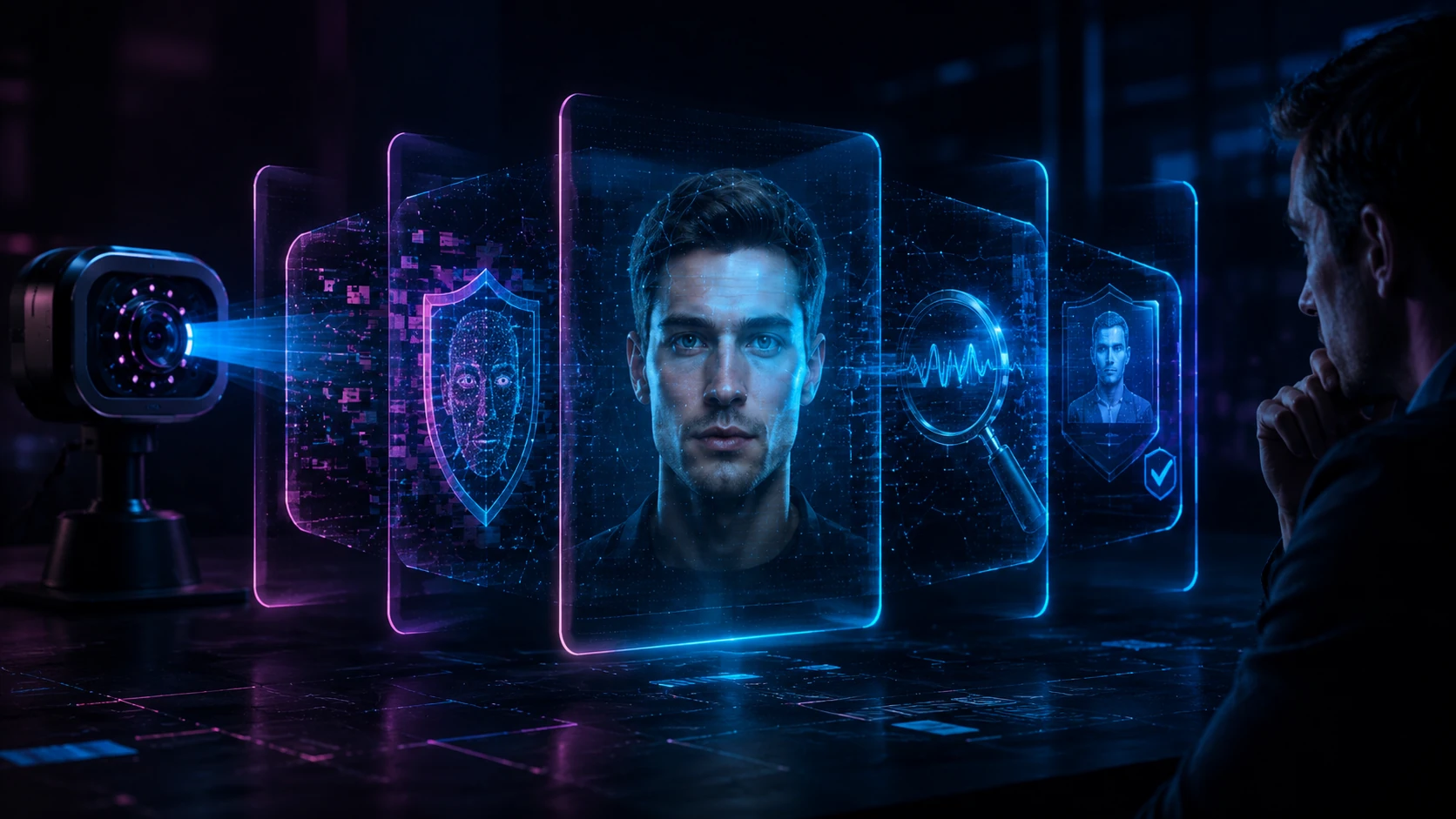
Capture integrity
Determines whether media arrived through the expected acquisition process.
Presentation and injection attack detection
Looks for attempts to interfere with or bypass that process.
Media authenticity analysis
Evaluates whether an image, video, or audio recording contains signs of manipulation or synthetic generation.
Identity verification
Determines whether the person or identity information corresponds to the claimed individual.
Human or analyst review
Provides additional examination when automated results require interpretation or escalation.
These layers address different risks.
From a forensic perspective, two questions are especially useful:
How did the media enter the workflow?
and
What is the media itself?
Separating those questions helps prevent presentation attacks, injection attacks, and deepfake manipulation from being treated as a single technical problem.
Deepfake Presentation vs. Injection Attacks: Key Takeaways
| Question | Answer |
|---|---|
| What is a presentation attack? | An attempt to interfere with a biometric capture process by presenting an artifact, altered subject, or suspicious media to the capture system. |
| What is an injection attack? | The introduction of untrusted media or biometric information directly into a digital process or workflow. |
| Can presentation attacks involve deepfakes? | Yes. |
| Can injection attacks involve deepfakes? | Yes. |
| Are all presentation attacks deepfakes? | No. |
| Are all injection attacks deepfakes? | No. |
| Do Presentation Attack Checks and Deepfake Detection Address the Same Risk? | No. |
| Do Injection Attack Controls and Deepfake Detection Perform the Same Function? | No. |
| Can these security approaches complement each other? | Yes. They can work together because each one focuses on a different stage of media handling and identity verification. |
Understanding the difference between deepfake presentation and injection attacks helps organizations evaluate synthetic-media risk more accurately. Presentation and injection describe how content reaches a system, while deepfake detection addresses whether that content may have been artificially generated or manipulated.
Frequently Asked Questions
Ready to experience & accerlate your Investigations?
Experience the speed, simplicity, and power of our AI-powered Investiagtion platform.
Tell us a bit about your environment & requirements, and we’ll set up a demo to showcase our technology.