
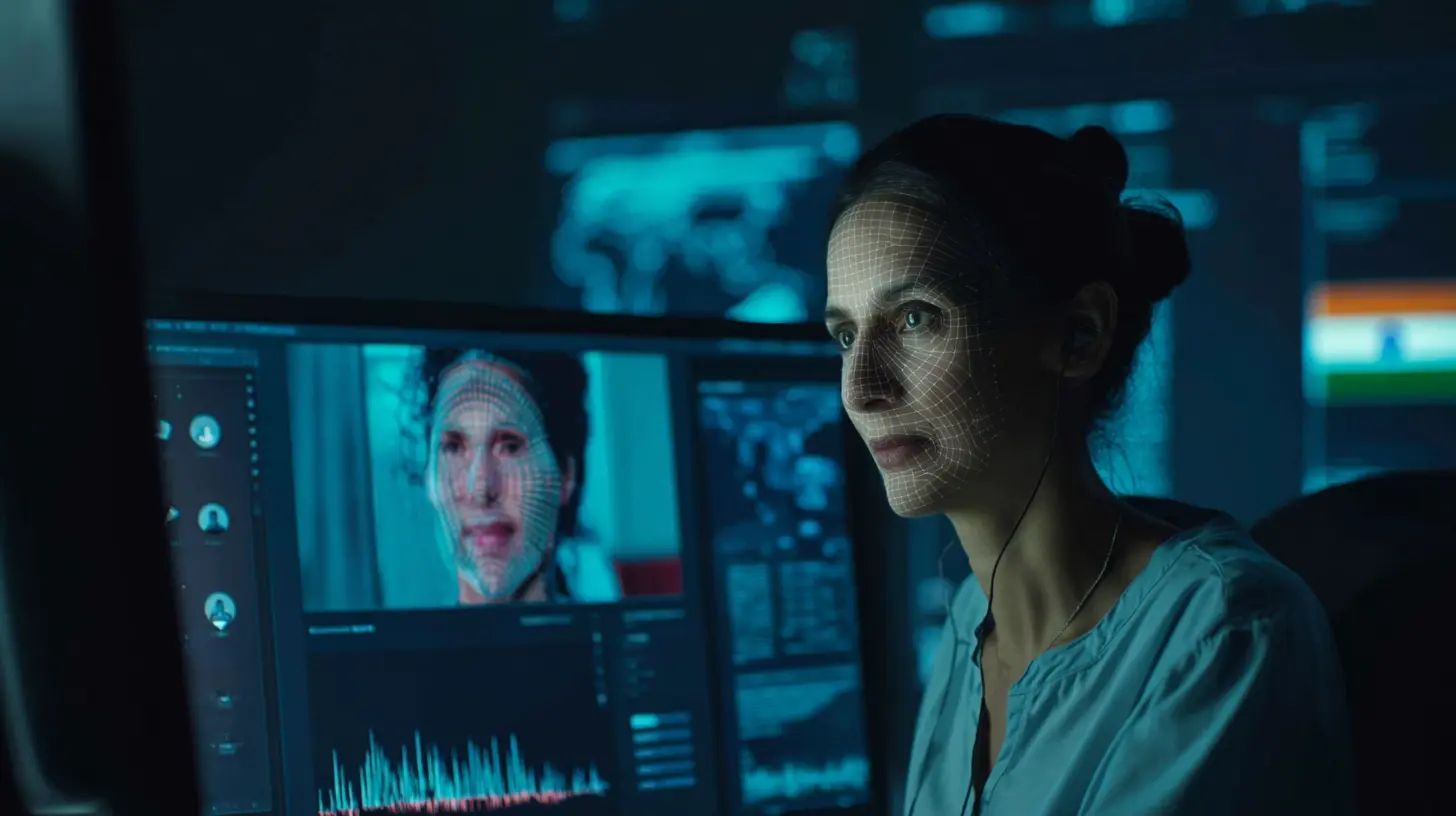
Deepfake Threats in India: Voice Cloning, Fake Videos, and AI Impersonation Risks
India is entering a phase where digital media can no longer be trusted at face value. AI-generated videos, cloned voices, synthetic images, and impersonation-based content are creating new risks for enterprises, media organizations, public institutions, cybersecurity teams, and investigators.
As generative AI tools become easier to access, suspicious media can spread faster than traditional verification workflows can respond. For Indian organizations, the challenge is not only detecting fake content after damage is done, but verifying video, audio, and image content before it influences decisions, evidence, reputation, or public communication.
This blog explains the major deepfake threats in India, including voice cloning scams, fake AI videos, celebrity misuse, enterprise impersonation, and synthetic media fraud, along with why multimodal deepfake detection is becoming important for digital trust and investigation readiness.
What Are the Biggest Deepfake Threats in India?
The biggest deepfake threats in India include voice cloning scams, fake AI-generated videos, celebrity impersonation, political misinformation, enterprise impersonation, and synthetic media used in cybercrime.
These threats are serious because they attack the foundation of digital trust. A fake voice can sound like a trusted person. A manipulated video can appear to show a public figure making a statement. A synthetic image can be used to support a fake identity. A deepfake clip can spread widely before a verification team has time to respond.
For enterprises, media platforms, public institutions, and investigation teams, the risk is not only whether content is fake. The larger issue is whether people act on fake content before its authenticity is verified.
Why Are Deepfake Risks Increasing in India?
Deepfake risks in India are increasing because of the rapid availability of generative AI tools, the speed of social media distribution, and the growing dependence on digital communication.
India has a large online population, high mobile usage, a fast digital payment ecosystem, and strong adoption of video, voice, and social platforms. This creates an environment where synthetic media can influence people quickly.
Earlier, fake media manipulation required advanced editing skills and significant time. Today, AI tools can generate convincing audio, video, and images with far less effort. This makes deepfake creation easier for fraudsters, misinformation actors, cybercriminals, and impersonation groups.
Deepfake risk in India is also becoming broader. It is no longer only about fake celebrity content or edited social media clips. It now affects enterprise security, public trust, political communication, digital investigations, financial decision-making, and media verification.
For a broader overview of India-focused detection challenges, read our detailed guide on how deepfake detection is evolving in India.
How Are Voice Cloning Scams Affecting India?
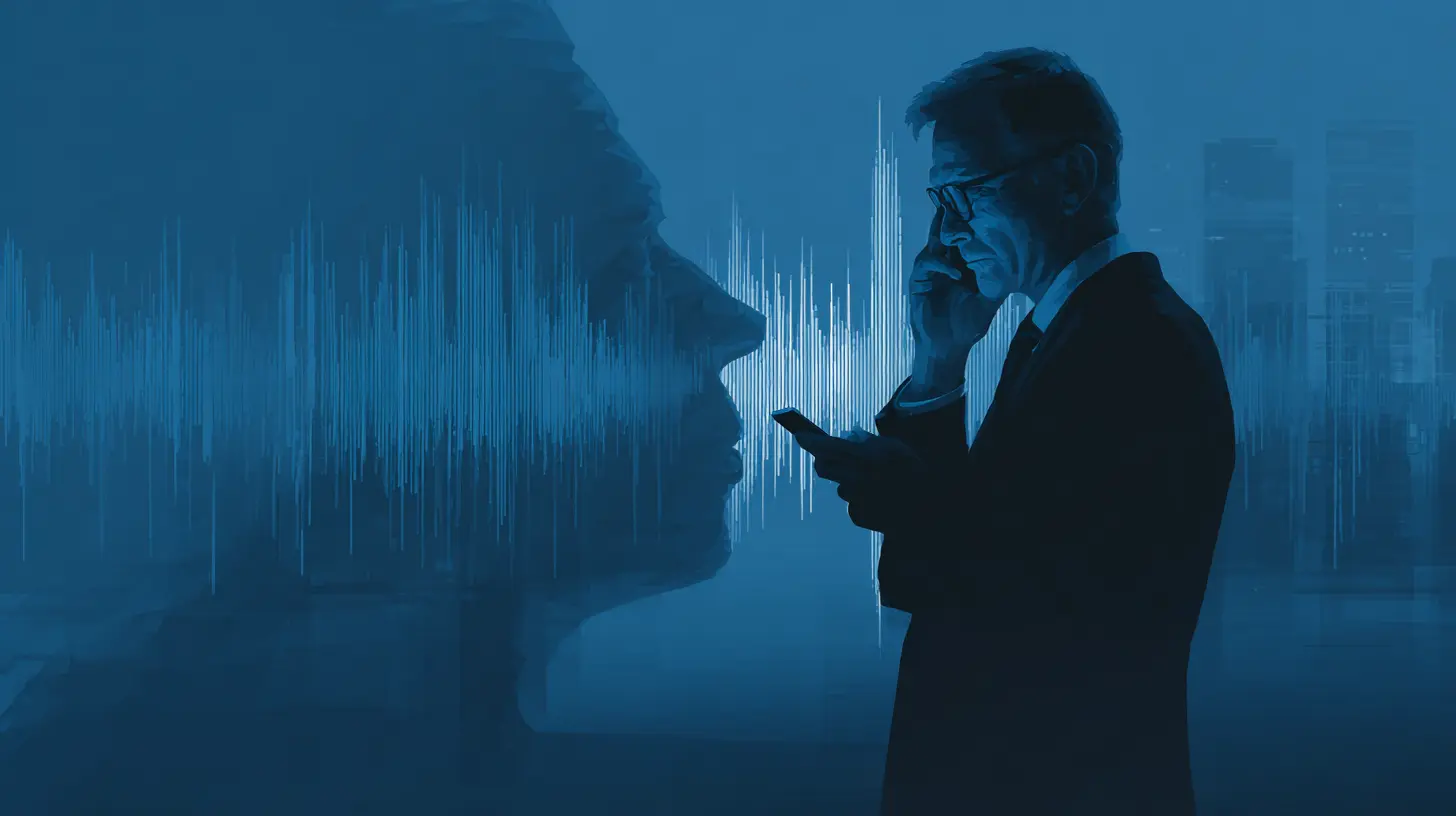
Voice cloning scams in India are becoming one of the most concerning forms of AI-driven fraud. With a short voice sample, attackers may attempt to generate speech that sounds similar to a real person. This can be used in fake calls, urgent payment requests, emergency scams, executive impersonation, and social engineering attempts.
In an enterprise environment, a cloned voice could be used to imitate a senior executive, finance head, vendor representative, or trusted internal contact. A fraudster may create urgency and ask an employee to approve a payment, share information, or bypass normal verification steps.
The danger is psychological as much as technical. People are trained to trust familiar voices. If a call sounds like a known person, the listener may respond before checking whether the voice is authentic.
This makes audio deepfake detection important for organizations that handle sensitive approvals, customer interactions, financial workflows, public communication, or investigation evidence. Audio analysis can help identify technical signs of synthetic speech, cloned voice patterns, unnatural audio behavior, and AI-generated voice manipulation.
Why Are Fake AI Videos a Public Trust Risk?
Fake AI videos in India can create serious public trust risks because video is often treated as proof. When people see a video, they may assume the event happened as shown.
AI-generated political videos, manipulated speeches, synthetic public statements, fake viral clips, and edited event footage can spread quickly across social media and messaging platforms. Even when such content is later corrected or removed, the initial damage may already be done.
This is especially important in public communication, elections, media reporting, crisis situations, and reputation-sensitive environments. A fake video can create confusion, trigger public reaction, or mislead viewers before verification is complete.
For media organizations, public platforms, cybersecurity teams, and investigators, video deepfake detection can support faster review of suspicious footage. The goal is to identify possible manipulation before fake content affects public trust, brand reputation, or evidence integrity.
How Are Celebrity Deepfakes Creating Identity and Reputation Risks?
Celebrity deepfakes in India are becoming a major identity and reputation concern. Public figures have large amounts of video, image, and audio content available online, making them easier targets for AI-generated misuse.
Fake celebrity endorsements, synthetic promotional videos, manipulated ads, AI-generated face swaps, and fake investment promotions can mislead audiences. A celebrity may appear to support a product, service, political message, or financial scheme without consent.
This creates multiple risks:
- Reputation damage for the person being impersonated
- Consumer deception
- Unauthorized use of face, voice, or likeness
- Brand misuse
- Fake promotional campaigns
- Legal and personality-rights concerns
- Loss of trust in digital media
The same threat can also affect entrepreneurs, journalists, influencers, senior executives, public officials, and institutional representatives. As synthetic media becomes more realistic, identity protection and media verification will become more important for both individuals and organizations.
How Do Deepfakes Create Risks for Indian Enterprises?
Deepfakes can create serious risks for Indian enterprises by enabling executive impersonation, fake approval calls, vendor payment fraud, synthetic video messages, brand misuse, and reputational damage.
An attacker may use a cloned voice to imitate a senior executive and request an urgent payment. A fake video message may appear to show leadership approving a decision. A manipulated public-facing clip may damage brand credibility. A synthetic identity may be used to influence employees, partners, or customers.
These risks are especially relevant for BFSI, fintech, telecom, media, cybersecurity, public-sector vendors, and large enterprises with distributed teams.
The main issue is that deepfake attacks combine technical manipulation with human trust. Attackers may not need to break into a system if they can convince someone that a trusted voice, face, or message is real.
This is why executive impersonation attacks should be treated as part of enterprise cybersecurity, fraud prevention, and digital risk management.
Why Do Media, Platforms, and Investigators Need Faster Verification?
Media organizations, public platforms, cybersecurity teams, and investigators need faster verification because deepfake content can spread faster than traditional review processes.
A suspicious video can become viral within minutes. A cloned voice clip can circulate across messaging apps. A manipulated image can enter a news cycle, legal dispute, fraud complaint, or investigation workflow before its authenticity is checked.
For media teams, faster verification reduces the risk of publishing manipulated content. For investigators, it supports evidence review and case triage. For enterprises, it helps risk and security teams decide whether suspicious media should be trusted, escalated, or rejected.
This is why deepfake detection for media and public trust is becoming important. The objective is not only to identify fake content after it spreads. The objective is to verify suspicious media early enough to prevent misinformation, financial loss, reputational damage, or evidence misuse.
Why Is Multimodal Deepfake Detection Important?
Multimodal deepfake detection is important because modern deepfake attacks may involve more than one type of manipulation.
A video may look real while the audio is cloned. A voice clip may sound authentic while the context is false. An image may be edited and reused in a synthetic identity workflow. Metadata may be removed or altered. A fake video may combine visual manipulation, audio synthesis, compression artifacts, and misleading context.
Single-channel detection may not be enough in such cases. A stronger verification workflow should analyze multiple signals across video, audio, image, and metadata.
A multimodal approach can help review:
- Face manipulation
- Lip-sync mismatch
- Synthetic voice patterns
- Image tampering indicators
- Editing or compression traces
- Audio-video inconsistencies
- Metadata irregularities
- Cross-media mismatch between voice, face, and context
This is especially useful for forensic media verification workflows, where teams need structured, explainable, and reviewable findings instead of a simple yes-or-no result.
How DeepGaze Helps as a Tool for Deepfake Threat Detection in India
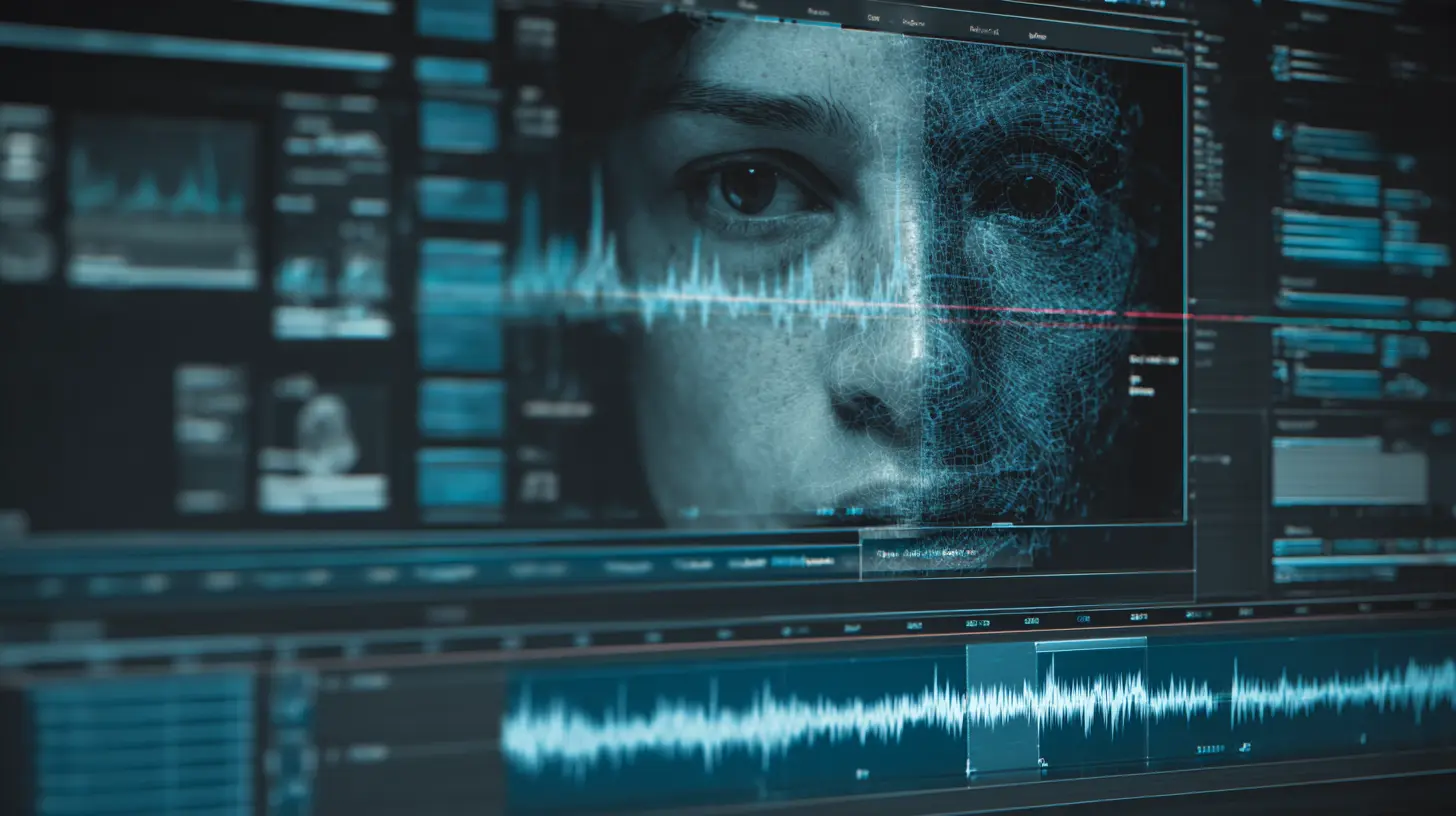
As organizations evaluate tools for threat detection in India, DeepGaze by PaladinAi helps security teams, investigators, media organizations, and enterprises analyze suspicious video, audio, and image content for signs of deepfake manipulation, AI impersonation, and synthetic media fraud.
DeepGaze supports multimodal analysis across video, audio, and image content. It helps teams review suspicious media for possible manipulation, cloned voices, face swaps, synthetic visuals, and other deepfake indicators.
For Indian enterprises, media organizations, cybersecurity teams, public institutions, and investigation workflows, DeepGaze can support:
- Audio deepfake detection
- Video deepfake detection
- Image manipulation analysis
- Multimodal media verification
- Confidence-based review
- Structured reporting
- Investigation-ready outputs
- Secure deployment workflows
DeepGaze is designed to help organizations verify suspicious media before it creates financial, reputational, operational, legal, or public trust damage.
What Should Indian Organizations Do Next?
Indian organizations should not wait for a major deepfake incident before building verification workflows. Deepfake risk should be treated as part of cybersecurity, fraud prevention, media verification, executive protection, and digital trust strategy.
A practical response plan should include:
- Training employees to verify unusual voice or video requests
- Using multi-person approval for sensitive payments
- Reviewing suspicious media before publication or action
- Creating escalation workflows for suspected deepfakes
- Monitoring brand and executive impersonation risks
- Using multimodal deepfake detection for suspicious audio, video, and images
- Maintaining structured reports for investigation and audit readiness
The key is to avoid relying only on human judgment. As AI-generated media becomes more realistic, organizations need both awareness and technical verification.
Conclusion
Deepfake threats in India are moving beyond entertainment and social media misuse. They now affect enterprise security, public communication, political messaging, media verification, cybercrime investigations, celebrity identity, and financial decision-making.
Voice cloning scams, fake AI videos, celebrity deepfakes, and enterprise impersonation attacks show how synthetic media can influence what people believe and how organizations act.
To reduce this risk, Indian organizations need stronger verification workflows, faster review of suspicious media, and multimodal deepfake detection that can analyze video, audio, and image content together.
Deepfake detection is becoming a core part of digital trust, fraud prevention, and investigation readiness in India.
Frequently Asked Questions
Ready to experience & accerlate your Investigations?
Experience the speed, simplicity, and power of our AI-powered Investiagtion platform.
Tell us a bit about your environment & requirements, and we’ll set up a demo to showcase our technology.