
Beyond Fake Media: Deepfake Detection Solution for Forensic Media Verification
Digital media can no longer be trusted by appearance alone. A video may look authentic, a voice may sound familiar, and an image may appear untouched, yet all three can now be altered or generated using advanced AI. For enterprises, law enforcement agencies, financial institutions, digital forensic teams, and media verification units, this creates a serious operational risk.
A modern deepfake detection solution helps organizations verify suspicious videos, cloned voices, manipulated images, and synthetic media before they are trusted, shared, used in investigations, or accepted as evidence. It is no longer enough to depend only on human review or basic online scanning tools. Organizations need structured analysis, repeatable workflows, forensic indicators, and clear reporting.
Deepfake attacks are evolving as threat actors increasingly blend synthetic visuals, cloned voices, manipulated images, and contextual deception into a single media asset. A fake video may include a cloned voice. A synthetic identity may include an AI-generated face, manipulated document image, and altered video KYC session. A fake executive message may combine realistic speech, facial movement, and social engineering.
For organizations evaluating a deepfake detection company, the key question is not only whether the system can flag fake content. The real question is whether the solution can support investigation-ready verification across video, audio, and image evidence.
What Is a Deepfake Detection Solution?
A deepfake detection solution is a software-based system that analyzes videos, audio files, and images to identify signs of AI manipulation, synthetic generation, face swapping, voice cloning, image tampering, or media inconsistency. For enterprise and forensic use cases, the solution should provide explainable results, structured reporting, secure workflows, and support for video, audio, and image authenticity verification.
How a Deepfake Detection Solution Works Across Video, Audio and Image.
A deepfake detection solution works by breaking digital media into technical signals that can be reviewed for manipulation. Instead of judging content only by appearance, the system analyzes patterns across video frames, audio behavior, image structure, and metadata. This helps teams identify whether the media contains signs of synthetic generation, face swapping, voice cloning, tampering, or other forms of AI-assisted alteration.
Unlike simple scanning tools that only return a basic fake-or-real result, an enterprise-grade system should provide deeper analytical context. It should explain which signals were reviewed, where suspicious patterns appeared, and how the media was assessed. This level of detail is important when the result may influence an investigation, compliance review, fraud response, or executive decision.
A reliable solution should support analysis across multiple media types. Video analysis may examine facial movement, lip synchronization, frame-level inconsistencies, lighting mismatch, compression artifacts, and temporal anomalies. Audio analysis may review voice cloning patterns, speech irregularities, frequency behavior, and synthetic speech indicators. Image analysis may look at facial artifacts, texture inconsistencies, metadata signals, and manipulation traces.
For organizations that need structured verification, forensic media verification with DeepGaze can help connect detection results with investigation workflows, reporting, and media authenticity review.
Why Forensic Media Verification Matters
Deepfake detection is not only a cybersecurity issue. It is now connected to digital evidence, identity verification, financial fraud, public safety, misinformation, and enterprise trust.
In law enforcement, manipulated media can mislead investigations or create uncertainty around evidence. In financial services, synthetic identities and fake video KYC attempts can support fraud. Within corporate environments, AI-generated executive videos and replicated leadership voices can be exploited to manipulate employees, approve false requests, or support targeted social engineering attacks. In media and public safety, viral fake content can damage trust before verification is complete.
This is why forensic media verification matters. It helps teams move from assumption to analysis. Instead of asking whether the media looks real, organizations need to understand what technical evidence supports or challenges the authenticity of the content.
- Is the face, voice, or image likely to be AI-generated?
- Are there signs of manipulation across frames, pixels, audio patterns, or metadata?
- Does the visual content match the audio behavior?
- Can the result be explained in a structured report?
- Can the analysis support a repeatable investigation process?
This makes a deepfake detection solution valuable not only as a detection system, but also as part of a broader digital trust and evidence verification workflow.
What Makes a Deepfake Detection Company Reliable?
A reliable deepfake detection company should provide more than a simple upload-and-scan interface. For enterprise and forensic use cases, the provider should understand the risks around evidence handling, accuracy, privacy, reporting, and deployment.
The first requirement is technical depth. The company should support multiple forms of media analysis instead of focusing only on one format. Deepfake attacks are rarely limited to a single signal. A fake video call, for example, may include manipulated facial movement and synthetic voice behavior. A fake identity may combine an AI-generated face with altered image documents. A reliable provider should help detect these risks across media types.
The second requirement is explainability. Users should be able to see which technical signals were analyzed and what specific findings led the system to flag the content as potentially manipulated. For digital forensic labs, law enforcement agencies, or compliance teams, explainability is essential because decisions often require justification.
The third requirement is workflow readiness. Enterprise teams need audit logs, user roles, secure file handling, report exports, case-based review, and integration options. A detection result is useful only when it fits into the team’s operational process.
The fourth requirement is deployment flexibility. Some organizations may prefer cloud access, while others may need on-premise or controlled environments because of sensitive evidence, regulatory requirements, or internal security policies.
A serious deepfake detection company should combine AI detection, forensic thinking, secure deployment, and practical usability.
Deepfake Detection Software Capabilities for Video, Audio and Image Analysis
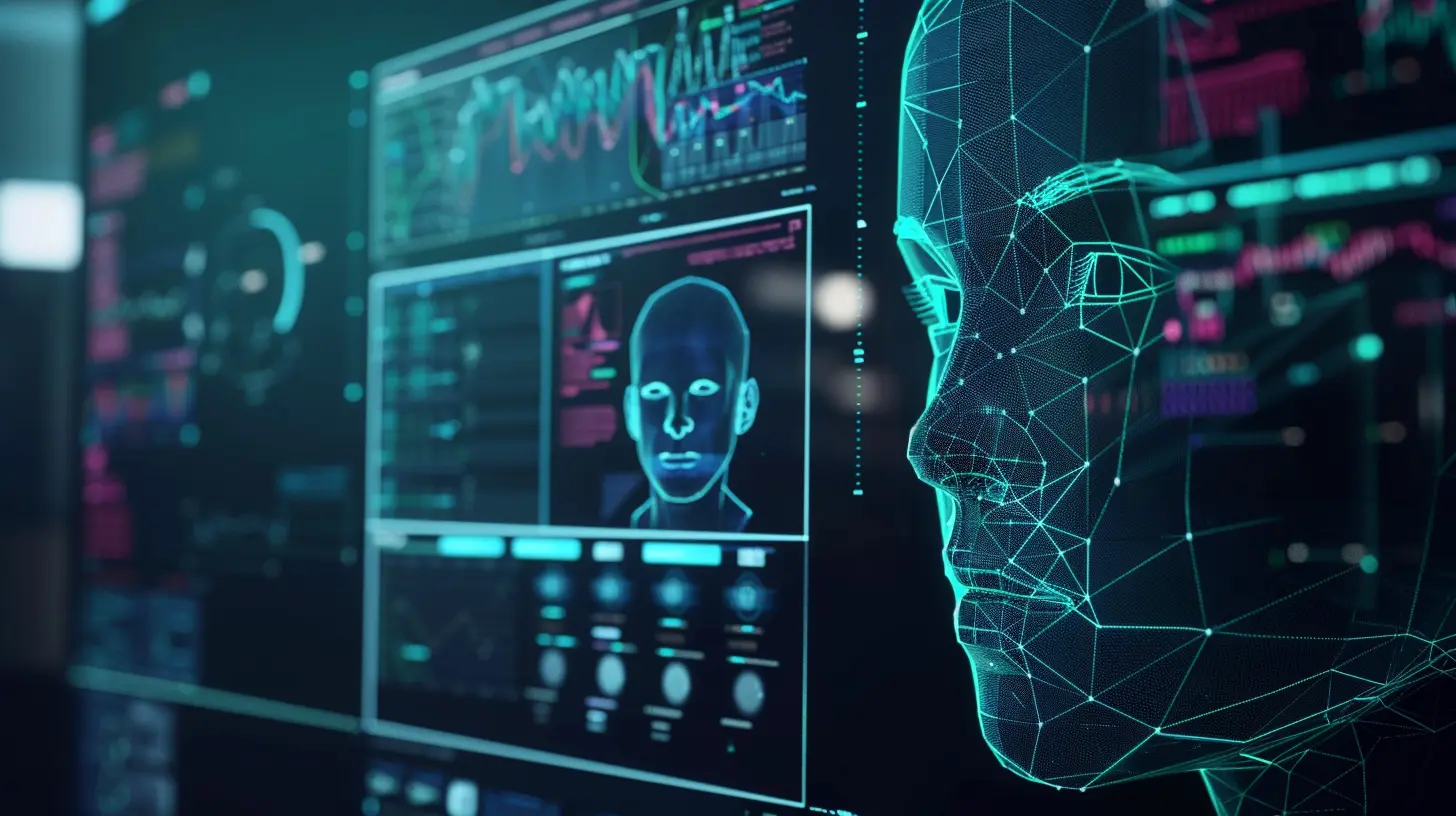
Good deepfake detection software should analyze more than surface-level appearance. Deepfakes are created using different techniques, so the software must examine multiple technical signals.
For video, the system should review temporal consistency, facial motion, eye movement, lip synchronization, frame-level artifacts, unnatural transitions, lighting mismatch, and compression patterns. Deepfake videos often fail in subtle areas that may not be obvious to human reviewers. These may include inconsistent facial boundaries, unnatural blinking, unstable reflections, or mismatches between speech and mouth movement.
For teams reviewing suspicious video evidence, AI video authenticity verification can support deeper analysis of manipulated or synthetic visual content.
For audio, the system should detect signs of cloned or AI-generated speech. Synthetic voices may sound natural, but they can still carry unusual frequency patterns, unnatural pauses, inconsistent emotional tone, robotic smoothness, or irregular speech behavior. Audio-based attacks are especially dangerous because people often trust familiar voices. A cloned executive voice, a fake ransom message, or a manipulated call recording can cause real operational damage.
For voice-based verification, AI audio authenticity verification helps teams analyze suspicious speech and synthetic voice patterns.
For image analysis, the software should review visual and technical clues such as edited regions, synthetic facial patterns, texture mismatches, lighting inconsistencies, unusual backgrounds, and available metadata signals. AI-generated images can appear highly realistic, but forensic image analysis can still identify signals that may indicate manipulation.
For image-based review, forensic image verification supports authenticity checks for suspicious photos, profile images, document-related media, and AI-generated visuals.
A strong deepfake detection software environment should also support confidence scoring, structured results, media previews, evidence notes, and exportable reporting. This helps teams move from technical detection to decision-ready analysis.
Deepfake Detection Services for Enterprise and Forensic Teams

Deepfake Detection Services are different from simple tools. A tool may help scan content, but services support the complete verification process. This can include technical consultation, deployment support, forensic review, workflow design, training, reporting configuration, and integration with existing systems.
For enterprise teams, services may include support for brand protection, executive impersonation review, internal fraud investigation, and media authenticity workflows. For financial institutions, services may support fraud teams reviewing video KYC attempts, suspicious customer onboarding, or voice-based impersonation. For investigation units and forensic teams, these services can assist with media examination, case-level verification, documentation, and structured reporting.
The main value of Deepfake Detection Services is that they help organizations operationalize detection. Instead of using a tool occasionally, teams can build a repeatable process for reviewing suspicious media.
For example, a forensic lab may need to receive media from investigators, analyze it securely, document technical indicators, generate a report, and preserve review history. An enterprise security team may need to verify a suspicious executive video before responding to a financial request. A media organization may need to examine viral content before publishing or amplifying it.
In these cases, detection is not a one-click activity. It becomes a workflow involving people, software, policy, and reporting.
For investigation-led environments, digital evidence authenticity checks are important because media verification often needs to support documentation and review. For business environments, enterprise deepfake risk management helps teams reduce exposure to synthetic media threats, impersonation, and trust-based attacks.
Deepfake Detection Tools vs Enterprise Detection Workflows
Deepfake Detection tools are useful for quick checks, especially when users need a fast indication of whether media may be suspicious. However, tools alone may not be enough for enterprise, forensic, or government-grade workflows.
A basic tool may answer one question: does this file appear manipulated? But an enterprise workflow needs to answer more questions.
- Who uploaded the file?
- What version was analyzed?
- Which indicators were detected?
- Was the media reviewed by a human analyst?
- Can the result be exported as a report?
- Is there an audit trail?
- Can the system be used securely across departments?
- Can it integrate with investigation or case management workflows?
This is the difference between a standalone tool and an operational verification system. A tool may support detection, but a workflow supports decision-making.
For example, a fraud analyst may need to compare multiple files connected to the same customer. A forensic examiner may need to attach findings to a case record. A corporate security team may need to escalate suspicious executive impersonation content to legal, risk, or leadership teams.
This is why organizations should evaluate Deepfake Detection tools carefully. They should check whether the tool can support real-world operations or only provide isolated results.
For a related use case, deepfake detection tools for fraud prevention can help explain how detection supports fraud risk reduction and media verification in financial or enterprise environments.
Key Features of an Enterprise Deepfake Detection Solution
A professional deepfake detection solution should include both technical analysis and operational controls. These features are important for serious deployment because organizations need a system that can support both detection and decision-making.
| Feature | Why It Matters |
|---|---|
| Multimodal analysis | The system should support video, audio, and image analysis because deepfake attacks often combine multiple media types. |
| Explainable detection results | Teams should be able to understand the technical findings behind the result. |
| Confidence scoring | Confidence scores help teams prioritize review, but should be supported by forensic indicators. |
| Report generation | Reports help organizations document findings and share results internally. |
| Secure file handling | Sensitive files may include evidence, customer identity data, executive communications, or internal investigation material. |
| Audit logs | Audit logs help track who accessed a file, who reviewed it, and what actions were taken. |
| Deployment flexibility | Some teams need cloud access, while others require on-premise or controlled environments. |
| API and workflow integration | Organizations may need to connect deepfake analysis with existing security, fraud, or investigation systems. |
| Human review support | AI detection should support expert decision-making, especially in sensitive cases. |
Organizations may also require deepfake analysis to integrate with their current operational systems, including investigation platforms, fraud review processes, media monitoring tools, and security workflows.
For teams comparing deployment models, secure deployment for media verification is an important consideration when evaluating cloud, hybrid, or on-premise environments.
Why Multimodal Detection Improves Media Verification
Deepfake attacks are evolving as threat actors increasingly blend synthetic visuals, cloned voices, manipulated images, and contextual deception into a single media asset. A fake video may be paired with a cloned voice. A manipulated image may be used with fake documents. A synthetic face may appear in a video call while the audio is generated separately.
This is why multimodal detection is important. It allows the system to examine different media layers and check whether they behave consistently.
A video may look realistic, but the audio may show synthetic speech patterns. A face may appear natural, but frame-level transitions may reveal manipulation. An image may seem authentic, but metadata or texture analysis may raise concerns. By analyzing multiple signals together, teams gain a more complete view of authenticity.
Detection systems that analyze only one media type may miss risks when synthetic content combines video, audio, images, and metadata manipulation. Forensic media verification should not depend on a single indicator. Instead, it should combine multiple signals and provide a balanced review.
In markets where synthetic media risks are growing, AI media verification in India is becoming increasingly relevant for public communication, financial fraud prevention, cybercrime investigation, and digital trust.
Use Cases for Deepfake Detection in Real-World Operations
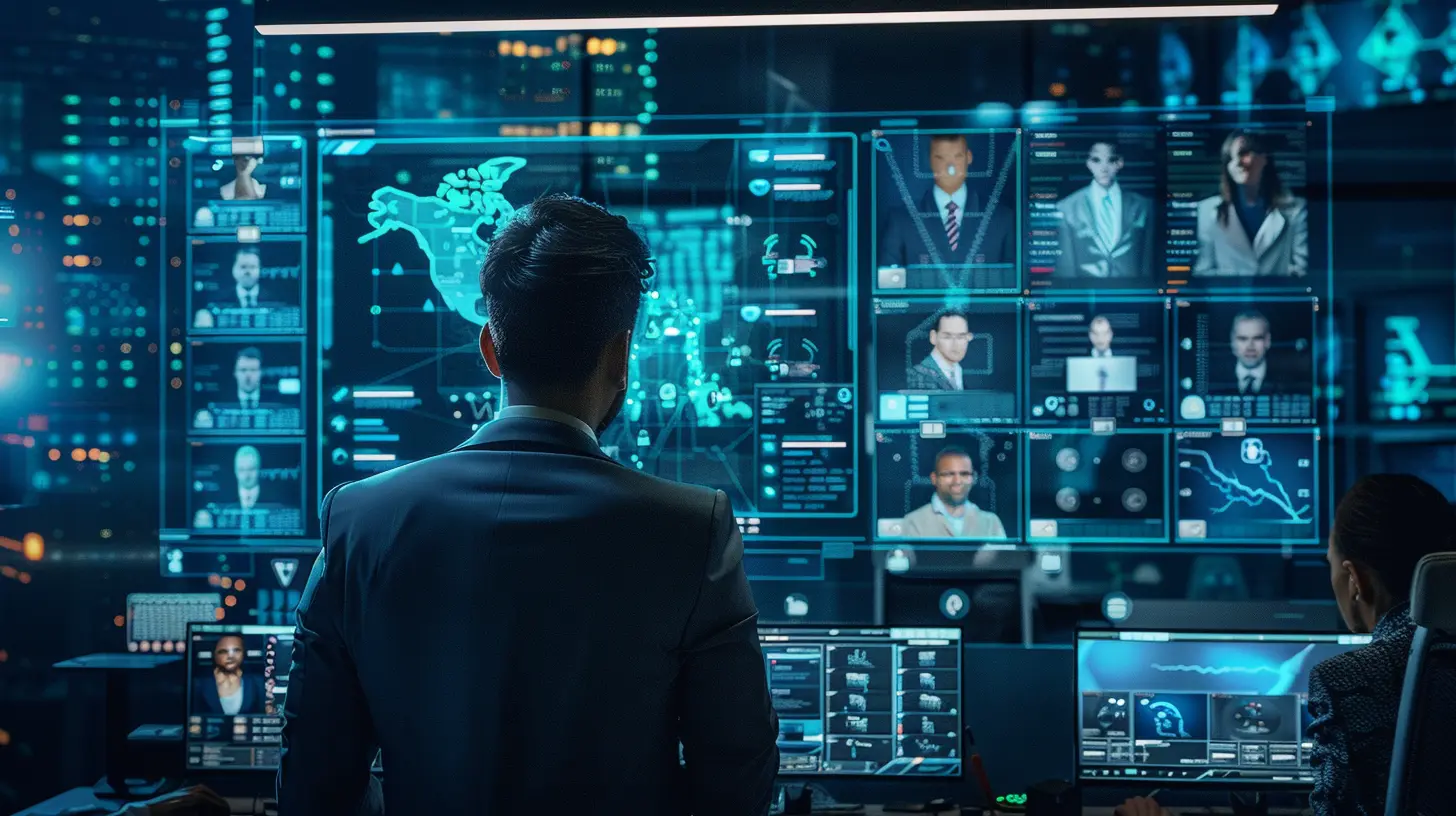
A deepfake detection solution becomes more valuable when it is connected to real operational use cases. Different teams face different risks, but the core requirement is the same: verify media before trusting it.
Law Enforcement and Digital Forensics
Law enforcement teams may receive videos, images, or audio recordings as part of an investigation. If the content is manipulated, it can mislead investigators, damage case quality, or create uncertainty around evidence. Deepfake analysis can help investigators examine suspicious media and identify signs of manipulation before using it in a case.
Digital forensic teams may need to support structured media review, technical documentation, and evidence authenticity checks. This requires more than a quick scan. It requires repeatable analysis, reportable findings, and secure handling.
Financial Services and KYC Fraud
Financial institutions face growing risks from synthetic identity fraud, fake video KYC attempts, manipulated identity images, and voice impersonation. Attackers may use AI-generated faces, cloned voices, or edited video sessions to bypass verification processes.
A deepfake detection solution can help fraud teams examine suspicious onboarding media, review identity verification attempts, and detect manipulation indicators before approving high-risk activity.
For identity-focused workflows, identity verification against synthetic media is an important area where deepfake analysis can support fraud prevention.
Enterprises and Executive Impersonation
Enterprises are increasingly exposed to executive impersonation attacks. A fake CEO video, cloned voice message, or manipulated internal communication can be used to trigger financial transfers, leak information, or create reputational damage.
Enterprise security teams need workflows to verify suspicious media quickly. This includes checking video calls, voice messages, social media clips, and external communications that appear to involve leadership or employees.
Media, Public Safety and Public Trust
Media organizations and public safety teams must respond quickly to viral content. A manipulated video can spread widely before verification is complete. This can create panic, misinformation, or reputational harm.
Media verification workflows help teams check suspicious content before publishing, sharing, or responding publicly. In high-pressure situations, speed matters, but so does accuracy.
How to Evaluate Deepfake Detection Software Before Deployment
Before selecting deepfake detection software, organizations should evaluate both technical and operational readiness.
- Check whether the software analyzes video, audio, and images, or only one type of content.
- Review whether the system provides understandable indicators, not only a score.
- Examine whether the software can generate structured outputs for analysts, investigators, compliance teams, or decision-makers.
- Review where files are processed, how data is stored, who can access results, and whether logs are available.
- Check whether the software supports cloud, hybrid, or on-premise deployment depending on data sensitivity.
- Evaluate usability so the platform is neither too shallow for forensic review nor too complex for operational teams.
If the platform lacks depth, it may fall short in complex investigative, forensic, or enterprise review scenarios. The right balance is important.
Finally, check whether the provider understands your use case. A bank, law enforcement agency, enterprise security team, and media verification unit may all need deepfake detection, but their workflows are different.
DeepGaze by PaladinAi for Forensic Media Verification
DeepGaze by PaladinAi is designed for organizations that need to review suspicious video, audio, and image content with a forensic media verification approach. It supports teams that need to identify signs of manipulation, synthetic generation, impersonation, and AI-altered media across different content types.
Unlike basic scanning tools, DeepGaze is positioned for real-world investigation and enterprise security workflows. It helps teams examine media authenticity, review technical indicators, and support structured analysis across multiple formats.
For law enforcement and forensic teams, this can support evidence review and suspicious media analysis. For enterprises, it can support executive impersonation risk management and internal media verification. For financial institutions, it can support review of synthetic identity risks and manipulated onboarding media.
DeepGaze fits into a broader need for secure, explainable, and operationally useful deepfake detection. The goal is not only to identify fake content, but to help organizations make better decisions when digital media cannot be trusted at face value.
Conclusion: From Suspicion to Verified Media
Deepfakes have changed how organizations must think about digital trust. Visual realism is no longer enough. A familiar voice is no longer enough. A professional-looking image is no longer enough. Every high-risk media asset may need verification before action.
A reliable deepfake detection solution helps organizations examine suspicious videos, cloned voices, manipulated images, and synthetic media through structured analysis. The right system should combine software capability, detection services, forensic indicators, secure workflows, and clear reporting.
For teams evaluating a deepfake detection company, the priority should be simple: choose a solution that supports real operational decisions, not just surface-level detection.
To strengthen forensic media verification across video, audio, and image content, explore DeepGaze by PaladinAi and build a safer workflow for identifying manipulated media before it creates risk.
Request a DeepGaze demo to learn how forensic AI media verification can support your organization.
Frequently Asked Questions
Ready to experience & accerlate your Investigations?
Experience the speed, simplicity, and power of our AI-powered Investiagtion platform.
Tell us a bit about your environment & requirements, and we’ll set up a demo to showcase our technology.